
Kinship Anthropology Beyond Blood: Social Organization, Chosen Family, and Human Relatedness Explored
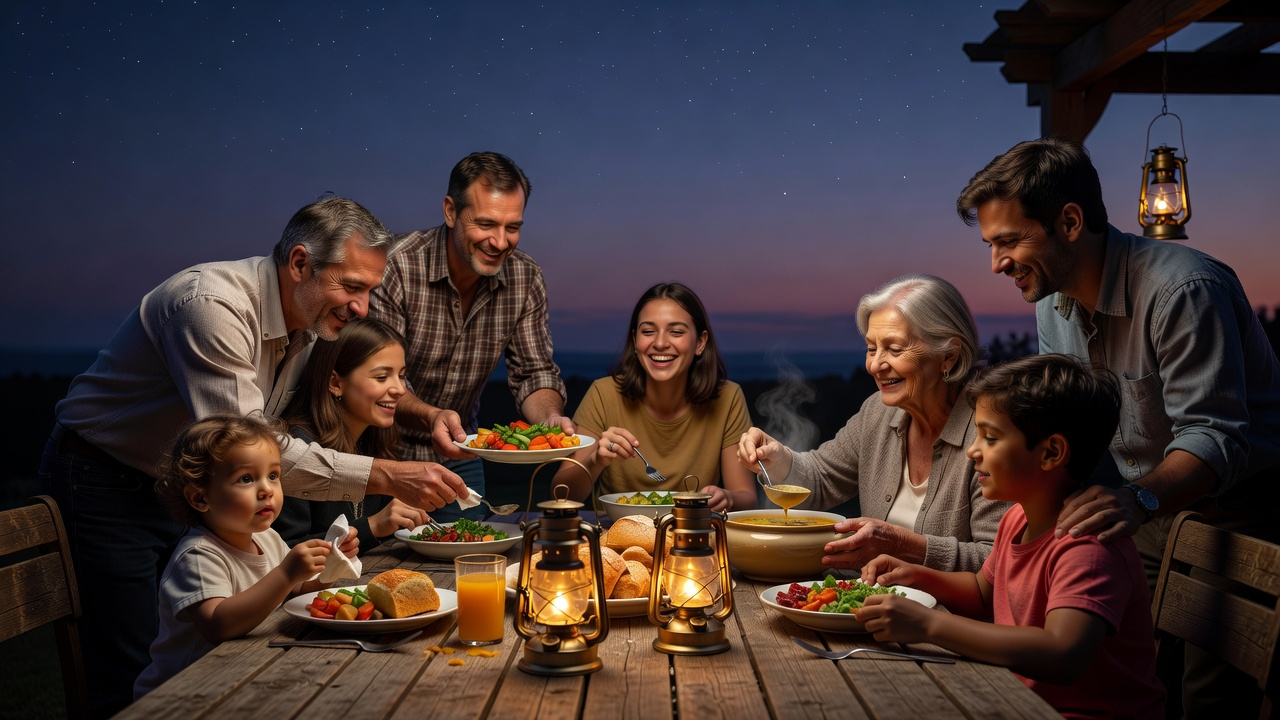
Picture a vast Navajo matrilineal clan gathering under the desert sun, where a child's lineage traces not through fathers but through the enduring strength of mothers and grandmothers. Or envision Southeast Asian longhouse dwellers, bound not by blood alone but by the shared hearth of a communal house society. These scenes shatter the myth of a universal family tree. In kinship anthropology, we uncover how humans craft relatedness through social bonds that transcend biology, revealing the heart of social organization and human belonging.
Why does kinship anthropology matter? It's the invisible architecture of humanity. From allocating resources to preserving memory, family systems and chosen family networks dictate how societies endure. In our era of fractured nuclear families and digital tribes, understanding these patterns illuminates paths to resilience. Welcome to the Anthropology Door of the Aetheria Journal, where we explore kinship anthropology beyond bloodlines.
Beyond the Family Tree: Rethinking Universal Patterns
Western eyes often default to the nuclear family—mother, father, children—as the gold standard of kinship. Yet this view, amplified by colonial narratives and Hollywood tropes, universalizes one pattern among countless. Kinship anthropology critiques this ethnocentrism, distinguishing biological relatedness (genetic ties) from social relatedness (culturally constructed bonds).
Biology provides raw material—DNA links us to ancestors—but societies sculpt it into family systems. In some Pacific Island cultures, avunculocal residence places nephews with maternal uncles, forging uncles as primary caregivers. Here, lineage flows matrilineally, prioritizing sister's sons over biological fathers. This isn't chaos; it's a deliberate social organization ensuring clan continuity.
Contrast this with patrilineal setups in parts of sub-Saharan Africa, where cattle bridge affines, turning marriage into an alliance of lineages. The point? No single tree fits all. Kinship anthropology reveals fluidity: a person's kin might expand through ritual naming or shrink via disownment, challenging fixed genealogies.
Ways of Making Kin: From Adoption to Clan Bonds
Humans don't just inherit kin; we manufacture it. Across history and geography, practices like adoption, fostering, naming, and feeding forge chosen family. In ancient Rome, adoptio elevated outsiders to heirs, as emperors like Trajan did to secure succession. Fast-forward to Indigenous Australian practices, where "promise time" pledges newborns to childless kin, weaving relatedness before birth.
Clans, Lineages, and House Societies
Clans emerge in pastoral societies, like ancient Levantine Bedouins, where shared descent myths unite herders for protection and pasture rights. Lineage systems, narrower and genealogically traceable, dominate West African Akan groups, segmenting clans into competing branches that organize labor and marriage.
Southeast Asian house societies take this further. In Borneo Dayak longhouses or Amazonian Tukano villages, the "house"—a physical and symbolic unit—anchors social organization. Membership comes via birth, marriage, or adoption, with heirloom names and titles passing like property. Functionally, these bind people to collective memory and economy, from rice harvests to ritual feasts.
- Chronology: House principles trace to Neolithic Southeast Asia, spreading via trade.
- Geography: From Indonesia to the Pacific Northwest potlatch houses.
- Function: Pooling resources, resolving disputes through house-based councils.
Feeding kin solidifies bonds too—Inuit hunters share seals to affirm utuqqiñaqtuq (kinship through food), echoing global taboos on eating relatives' gifts.
Kinship as Governance: Organizing Labor, Land, and Memory
Kinship isn't sentiment; it's governance. It structures labor division, land tenure, and historical recall in context-specific ways.
Levantine Pastoralists: Mobility and Alliance
Among historical Levantine pastoralists, agnatic clans governed seasonal migrations. Lineage segments managed goat herds and tent encampments, with elders arbitrating water rights via descent-based claims. Marriage alliances expanded networks, turning potential foes into affines.
Matrilineal Navajo: Women-Centered Resilience
Navajo (Diné) family systems center matrilineal clans, where property like hogans and fields passes through women. This organizes herding labor—daughters inherit sheep flocks—and land stewardship, fostering resilience amid aridity. Contemporary Diné emphasize clan knowledge transmission through oral histories, honoring present-day authority in governance.
Southeast Asian House Societies: Collective Authority
In Balinese house temples or Kayapo malocas, houses govern via assemblies. Land plots attach to house names, labor mobilizes for swidden farming, and memory endures through carved posts recounting founders. These systems adapt today, blending tradition with market economies.
Cross-connections abound: Explore kinship and legitimacy in the Sacred Kingship Door, or genealogies in the Writing & Memory Door.
Colonial Interventions and Contemporary Reclamation
Colonial powers rigidified kinship anthropology. British India codified castes as fixed lineages, French Indochina imposed nuclear models on house societies, and U.S. allotment acts fractured Navajo matriliny by assigning individual parcels. These interventions aimed to "civilize" through imposed family systems, erasing fluid chosen family.
Today, communities reclaim authority. Diné courts integrate clan principles in child welfare. Amazonian houses federate for indigenous rights. African lineages litigate land via customary law. This resurgence honors living knowledge, countering archival fossils.
Kinship evolves, not as relic, but as vital adaptation guided by those who live it.
Careful Comparison: Functions Alike, Paths Diverse
Compare thoughtfully: Levantine clans and Navajo matrilines both secure land via descent, yet one patrilineal, the other uxorilocal. House societies mirror clans in resource pooling but via titular houses, not myths. Counterevidence? Among the Nuer, segmentary opposition lets lineages feud then unite against outsiders—flexibility trumps rigidity.
Functions converge—labor coordination, inheritance stability—but pathways diverge by ecology, history. No ranking; each attuned to context. Link to the Ancestors Door for descent's mythic power.
In our globalized world, chosen family proliferates: queer kinships, friend pods, online lineages. Social organization persists, remade.
Reflecting on Your Lived Relatedness
Pause: Who comprises your kin? Blood kin who faded, or chosen family who showed up? Trace your lineage—biological, ritual, elective. In kinship anthropology, relatedness is crafted, a daily governance of heart and hearth. What new kin might you make? Step through the Anthropology Door again soon.