
Caring for the Past, Returning It Home: Ethics in Archaeological Conservation and Repatriation
Imagine a fragile pottery shard, unearthed from sun-baked earth, whispering secrets of a forgotten village. Its edges crumble under careless touch, yet in skilled hands, it stabilizes—preserved not just as object, but as bridge to ancestors. This is the heart of archaeological conservation: a delicate dance between science and soul, where heritage ethics demand we care for the past without claiming it forever.
For seekers, students, and museum-goers drawn to living heritage, conservation isn't mere technique. It's a moral compass guiding repatriation archaeology, ensuring artifacts return home when descendant communities call. Artifacts aren't ownerless relics; they carry stakes for those whose stories they embody.
From Field to Lab: The Practice of Archaeological Conservation
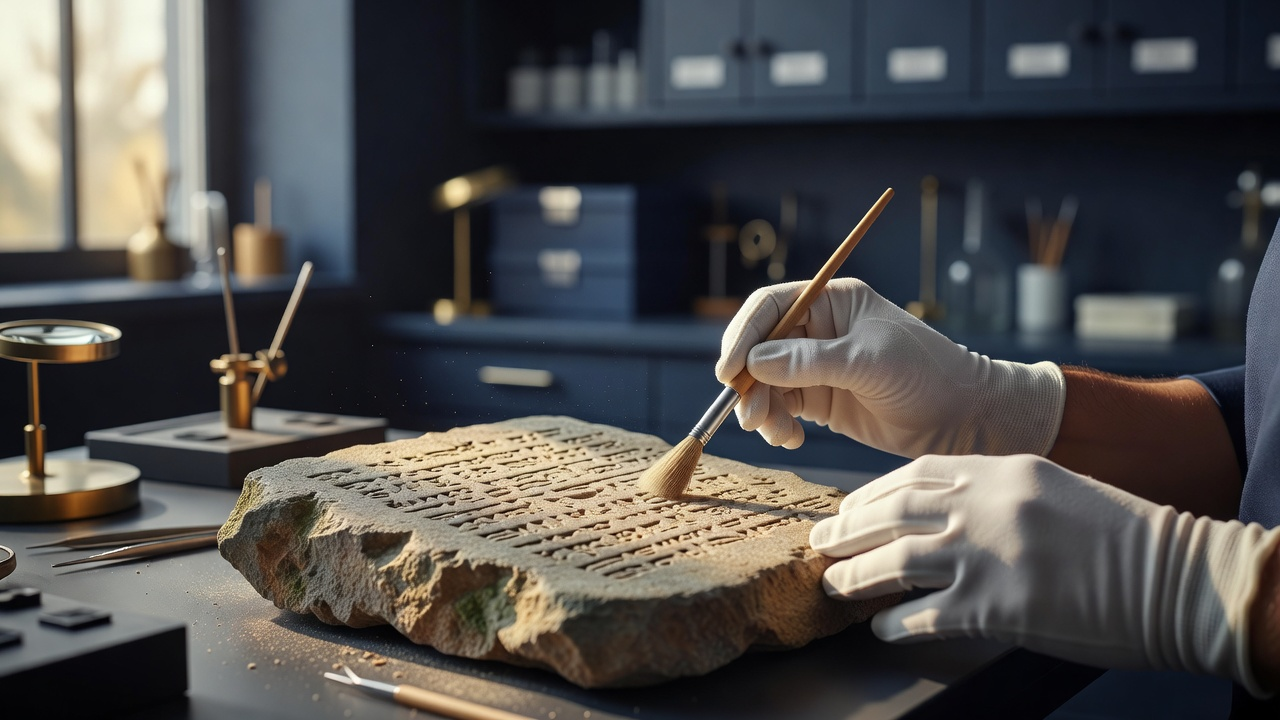
Conservation begins in the field, where excavators shield finds from wind, rain, and haste. In-field techniques—wrapping in acid-free tissue, stabilizing with consolidants—prevent immediate decay. Then comes the lab: controlled environments hum with microscopes and solvents, as conservators clean corrosion from bronze spears or mend fractured masks.
Central to preservation ethics is the divide between stabilization and restoration. Stabilization halts deterioration, preserving the artifact's authentic state—like reinforcing a Mayan stele's crumbling glyphs without repainting them. Restoration, riskier, reconstructs missing parts, inviting debate: Does it revive history or fabricate it? Conservators prioritize minimal intervention, asking what the object can teach unaltered.
Documentation: The Unbreakable Record
Every step demands meticulous records—photographs, chemical analyses, 3D scans. This archive outlives the artifact, enabling future scholars to trace its journey and verify authenticity amid repatriation archaeology claims.
Cultural Heritage Law and Global Frameworks
Law anchors these practices. UNESCO's 1970 Convention bans illicit trade, mandating return of stolen cultural property. National laws vary: the U.S. Native American Graves Protection and Repatriation Act (NAGPRA, 1990) sets a model, requiring federally funded institutions to repatriate Native American remains and objects to tribes with cultural affiliation.
Yet enforcement lags. Cultural heritage law grapples with looted antiquities in private collections, pitting individual ownership against collective memory. Should a Roman villa's mosaic, bought decades ago, return to Italy? Heritage ethics increasingly affirm no—public stewardship trumps private vaults.
Community Archaeology and Repatriation Debates
Enter community archaeology: descendant voices reshape the field. In Australia, Indigenous groups co-manage sites, blending Western science with oral traditions. Repatriation surges—Greece reclaims Parthenon marbles; Canada returns Kwakwaka'wakw masks—fueled by consent as ethical bedrock.
Debates persist: Can museums, as universal stewards, retain objects for global education? Or does true preservation ethics honor living heritage over glass cases? Conservation can't preserve context—the rituals, songs tied to an object—only its form. Returning it home revives that breath.
Artifacts whisper loudest in the hands of those who know their language.
Bridges to Sacred Places and Ancestral Wisdom
This ethic echoes in sacred places, where conservation meets reverence, and in explorations of ancestors and death's mysteries. What we preserve shapes how we honor the afterlife's echoes. For Aetheria seekers, the code is clear: protect the journey. Care for the past not as conqueror, but guardian—returning what belongs, stewarding what remains.
A Call to Reflective Stewardship
Conservation endures the physical; repatriation restores the spiritual. Together, they remind us: the past isn't buried—it's borrowed. What artifact moves you? Whose story calls it home?
Journal prompt: Sketch an object from your heritage. How would you conserve it? To whom does it return—and why?