
Reading Artifacts Layer by Layer: Material Analysis, Use-Wear, Workshop Marks & Iconography Limits | Aetheria Art Door
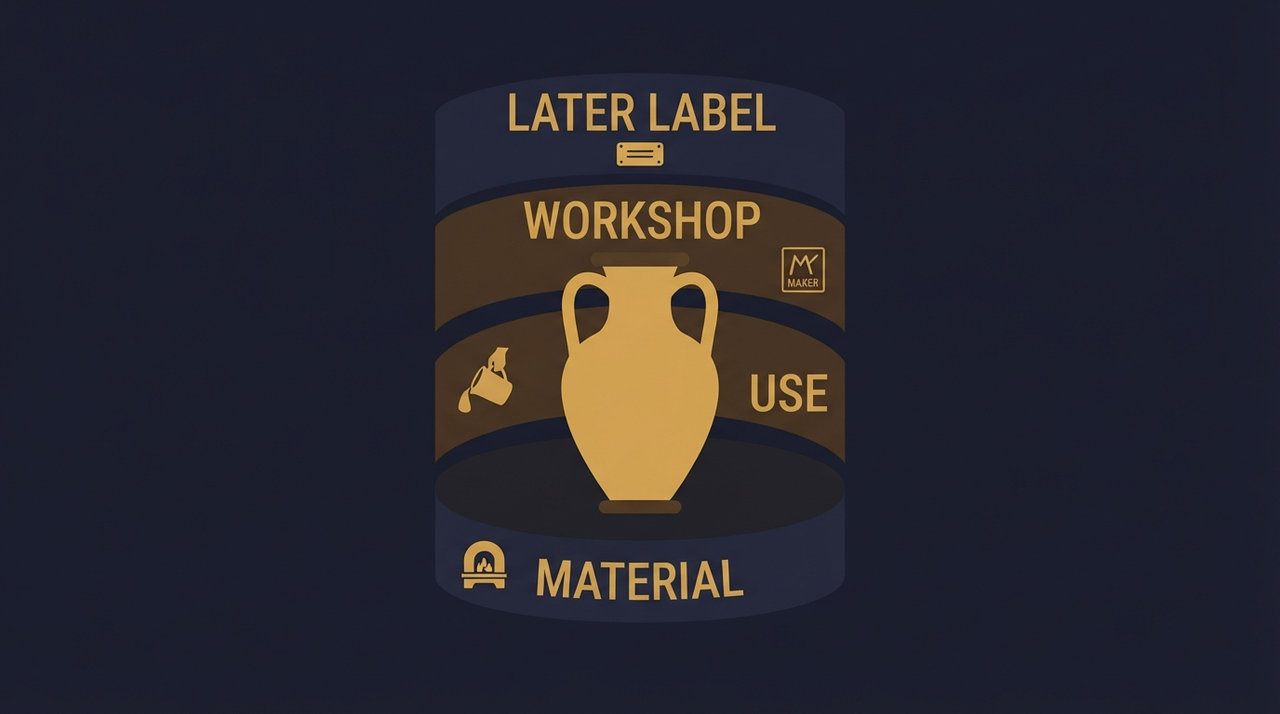
Picture a small clay vessel, its surface etched with faint spirals, tucked in a glass case. At first glance, it whispers of ancient hands and forgotten rituals. But beauty alone tells half the story. True reading of artifacts demands patience, peeling back layers like an onion: material first, then traces of use, makers marks, symbols with their built-in ambiguities, and finally context from repairs or findspots. This method, honed in archaeology and anthropology, invites you beyond surface allure into the objects life. Welcome to the Aetheria Art Door, where we practice reading artifacts this way.
Style might dazzle, yet it is just one lens. A graceful curve could signal a workshop tradition or simple ergonomics. Scientific tools like microscopy sharpen the view, but even they falter without context. Here, we build a careful practice for anyone peering at images or objects, whether in person or online.
First Layer: Material Analysis of Objects
Start with what meets the eye and nose: the stuff of the thing itself. Is that green patina on a bronze figure corrosion from wet soil, or a deliberate finish? Clay pots vary by temper: gritty sand for strength, or fine slip for sheen. Wood darkens with age, ivory yellows. These clues anchor everything else.
Specialists deploy X-rays or spectrometry to map alloys, spotting tin shortages in a Roman sword or lapis traces in Egyptian pigment. For you, tilt the image. Does metal pitting suggest burial, or polish hint at polishing stones? Material roots the object in place and time. A flint arrowhead from chalk downs differs from obsidian in Pacific shores. Limits persist: recycled metals blur origins. Yet this layer grounds wild guesses.
Second Layer: Use-Wear Patterns
Traces of Touch and Time
Now scan for scars of life. A stone axe gleams smooth at the grip from sweaty palms. Pottery interiors show polish from stirring grain. Knives notch from slicing hides. These use-wear signs reveal function, not just form.
Consider a bronze mirror from Etruscan tombs. Edge chips might come from daily combing, not ritual smashing. Microscopes reveal striations: parallel for cutting, random for grinding. Everyday handling leaves polish; violence chips edges. But wear mimics manufacture sometimes. A vessel for liquids erodes differently than one for dry goods. Objects served before they symbolized. That chalice? Perhaps a practical cup long before sacred.
Third Layer: Workshop Marks and Makers Signatures
Hunt for the hands that shaped it. Potter thumbprints in bases, lathe-turn marks on bowls, chisel slips on stone. Workshop marks cluster by region: incised potters crosses in medieval Europe, jade drill scars in Mesoamerica.
Stamps or graffiti name owners or makers. A Greek vase might bear a kalpis mark for capacity. Forgers mimic, but inconsistencies betray: uneven tooling or mismatched clays. These marks link to apprenticeships, trade routes. Still, many stay anonymous. No single glance decodes a guild secret.
Fourth Layer: Iconography Limits
Symbols That Shift
Spirals, eyes, beasts adorn surfaces. Iconography limits remind us: meaning evolves. A lion motif guards in Near East, hunts in Greece, adorns later. Context cracks it open, but never fully. Texts help, yet ancient intent slips away.
- Is that cross Christian, Celtic, or solar?
- Fish: fertility, Christian symbol, or market tally?
Interpretation dances with uncertainty. Pair with prior layers: a worn fish amulet suggests talisman, not decor.
Deeper Contexts: Repairs, Findspots, and Labels
Check for mends: riveted cracks on armor scream reuse. Findspot matters: river dredge versus temple hoard. Museum labels classify: "ritual vessel" or "utility jar"? Both possible. Frames or mounts add chapters, Victorian gilding romanticizing medieval iron.
At the Aetheria Art Door, cross into Archaeology for digs, Anthropology for lives, Creativity for making, Sacred Places for awe. No oracle here. Layers reveal tensions: use versus later myth.
Your Turn: Layered Notes on One Object
Pick an artifact you see now, even in photo. Jot four notes: material and making, possible use from wear, workshop hints, what labels claim. Compare iconography to function. Return to Aetheria Art Door often. This practice deepens wonder, honors makers unknowns. Objects speak in whispers. Listen close.