
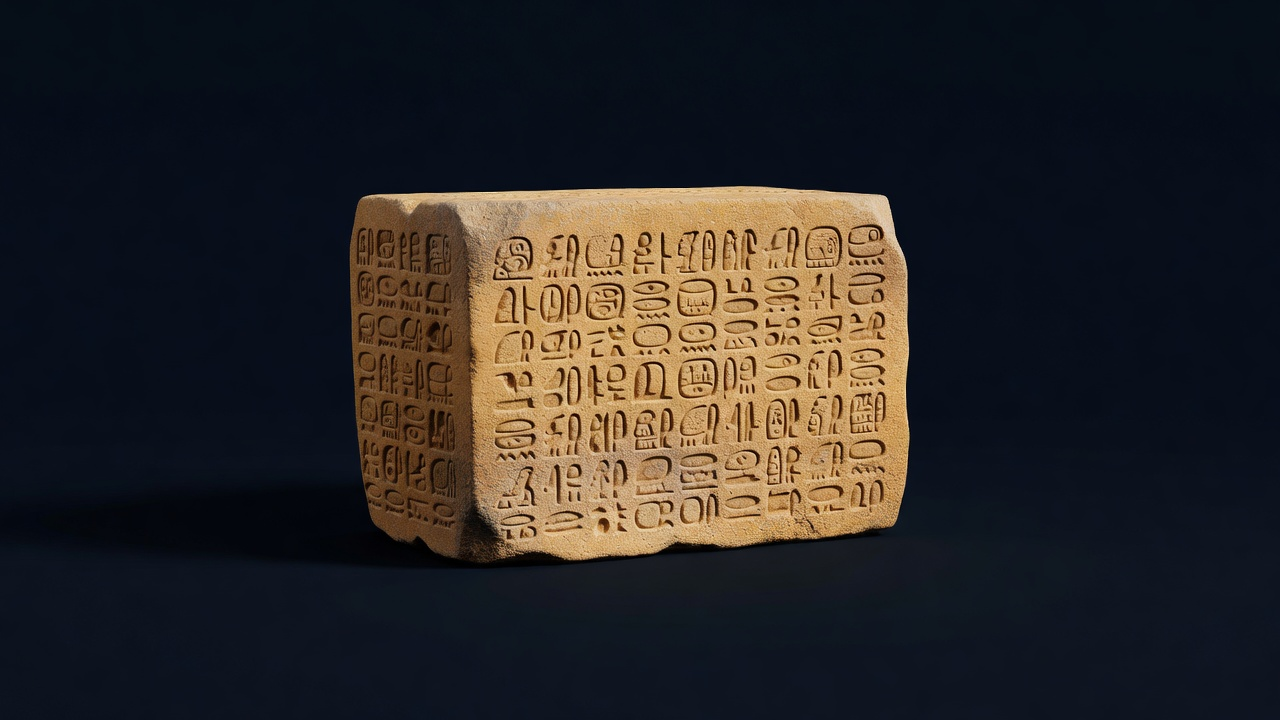
Unlocking Classic Maya Copan: Decoding Hieroglyphs, Dynasties, and Enduring Secrets (400-800 CE)
Nestled in the Shadows of Honduras: The Heart of Classic Maya Copan
Picture this: dawn breaks over the Copan Valley in western Honduras, mist clinging to lush hillsides as the first rays illuminate a forest of carved stone giants. These are the stelae of Classic Maya Copan, silent sentinels etched with Mayan hieroglyphs that whisper tales of kings, conquests, and cosmic order. From 400 to 800 CE, this Mesoamerican jewel flourished as a powerhouse of art, science, and politics, its dynastic inscriptions preserving a saga more intricate than any European chronicle of the era.
Unlike the sprawling cities of Tikal or Palenque, Copan’s compact urban core—just 0.5 square kilometers—pulses with density and sophistication. Here, in the Classic Maya Copan period, rulers commissioned masterpieces in limestone and jade, their glyphs blending logograms, syllabics, and iconography in a script that baffled scholars for centuries. This wasn’t mere decoration; these carvings were political manifestos, genealogies, and star maps, anchoring a society that mastered hydrology, astronomy, and warfare.
The Dynastic Tapestry: 400 Years of Rulers Revealed
From Yax K’uk’ Mo’ to Ukit Took’: A Lineage Etched in Stone
Copan’s history ignites with Yax K’uk’ Mo’, the “First Quetzal Macaw,” who founded Dynasty 0 around 426 CE. His arrival from Teotihuacan—hinted at by jade earspools and central Mexican motifs on Altar Q—marked Copan’s ascent. Over 400 years, 16 kings followed, their reigns chronicled in dynastic inscriptions on towering stelae and altars.
Stand before Stela A, erected by K’inich Yax K’uk’ Mo’ in 731 CE: its ruler gazes out, staff in hand, surrounded by 185 glyphs detailing accessions, battles, and rituals. Waxaklahun Ubah K’awil, the 13th king (695-738 CE), peaked Copan’s glory with the Hieroglyphic Stairway—3000 glyphs ascending 63 steps, narrating the dynasty from inception. These Mayan hieroglyphs, in Classic Ch’olan Mayan, mix portraiture with history, each cartouche a royal portrait gallery.
- Stela H: Smoke Imix’s 730 CE masterpiece, pairing father-son portraits with emblem glyphs affirming sovereignty.
- Altar L: Ukit Took’s 795 CE valediction, closing the dynasty amid environmental strain.
- Ballcourt Markers: Celestial pacts sealed in rubber and stone.
Deciphering the Script: From Mystery to Mastery
The Breakthrough in Mayan Hieroglyphs
For ages, Mayan hieroglyphs were dismissed as pictorial whimsy. Enter epigraphers like Tatiana Proskouriakoff in the 1950s, who spotted biographical patterns in Copan’s stones, proving the script’s historical voice. By the 1970s, Linda Schele and David Stuart unlocked royal names via phonetic readings—“K’UHUL AJAW,” divine lordship incarnate.
Classic Ch’olan, the linguistic core of Copan’s dynastic inscriptions, thrives in paired columns: logos for ideas, syllables for sounds. A single block might proclaim “CH’AK-aj,” “he chops,” evoking ritual sacrifice. Excavations since John Lloyd Stephens’ 1839 rediscovery—and Harvard’s Peabody digs in the 1890s—unearthed these treasures from rubble, despite erosion gnawing edges and Spanish friars toppling idols.
Archaeological Treasures and Enduring Enigmas
Copan’s Acropolis buries secrets under layered temples: Structure 10L-26, Waxaklahun’s Rosa Lila, reveals phased constructions via tunneling. Stelae forests in Group A document alliances, while the ballcourt’s macaw markers hint at underworld journeys. Yet erosion claims glyphs yearly, and colonial axes felled many more—survivors like Stela C endure as defiant testaments.
No cataclysmic “collapse” narrative fits; Copan’s polity transformed amid drought and overpopulation, distinct from today’s vibrant Maya communities in Guatemala and Honduras, guardians of oral traditions linking past to present.
Legacy of the Sun People: Copan’s Eternal Glow
As sunlight dances on Copan’s carvings today, they bridge eras—inviting us through the People of the Sun Door to Mesoamerica’s soul. These Classic Maya Copan inscriptions don’t just decode history; they pulse with human ambition, reminding us that empires rise on stories carved deep. What secrets still hide in the undergrowth? The glyphs beckon: decipher at your peril.