
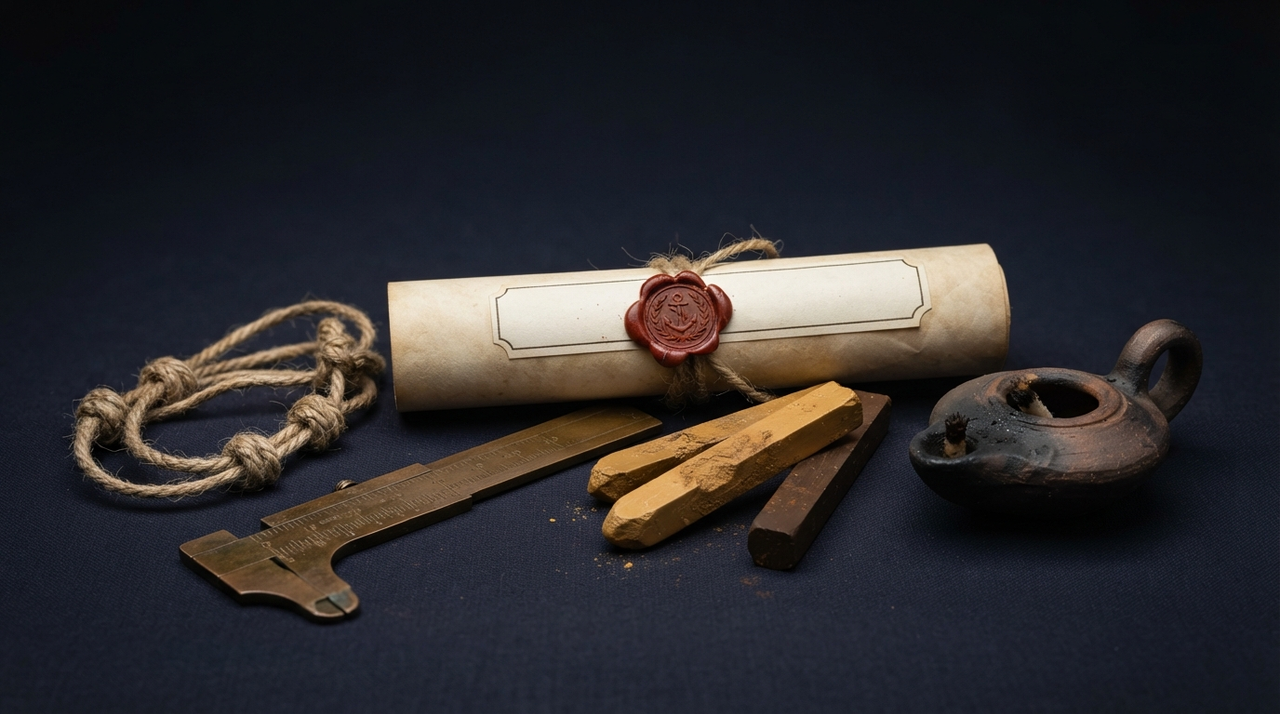
Patronage and Commissions: Historical Constraints in Artistic Creation
Picture a master mason in fourteenth-century Siena, chisel in hand, eyeing the cathedral's rising facade. The city council has approved funds, but only for specific saints in precise positions. No room for personal whims. This scene captures the essence of patronage and commissions history: artists bound by briefs that shaped every stroke, every carve. In the Aetheria Creativity Door, we explore such stories not as triumphs of limitation, but as the ordinary conditions of historical making. Constraints arose from power, materials, and deadlines, often pressing, sometimes liberating, rarely optional.
From temple iconographic programs to court workshops, makers navigated demands set by patrons, clients, temples, or cities. These differed from outright censorship. A brief specified purpose; ideology might lurk, but pigments and labor set firmer bounds. Account books and contracts reveal the texture of this world, reminding us that free creation was the exception, not the rule.
Iconographic Programs: Divine Blueprints in Stone and Paint
Church and temple commissions demanded rigid iconographic programs. Take the Ghent Altarpiece, hub of a 1432 contract between Hubert and Jan van Eyck and donors Jodocus Vijd and Elisabeth Borluut. The document stipulated panels, saints, and the Mystic Lamb's exact placement. Deviate, and payment halted. Surviving programs from Siena Cathedral outline facade figures: prophets here, apostles there, funded by guilds with eye on civic pride.
These were not mere suggestions. Unfinished works, like the Duomo's portals, show masons racing festival deadlines. Labor followed seasons; winter slowed lime mortar. Interpretation lingers: did such structure hone skill, or stifle vision? Contracts suggest both, as masters bid low to win work, then adapted motifs within bounds.
Court Workshops: Taste Dictated by Crown and Courtier
Royal courts amplified artistic constraint through organized workshops. In Mughal India, Akbar's atelier produced miniatures under imperial themes: hunts, battles, dynastic lore. Painters, often anonymous, followed hierarchical styles, pigments like lapis lazuli reserved for key figures per sumptuary rules. Versailles' Gobelins tapestry works logged royal approvals for every cartoon.
Materials and Making: The Unyielding Limits of Craft
Here, materials and making imposed constraints ideology scarcely touched. Lapis for ultramarine cost a year's wage per ounce, dictating sparing blues in altarpieces. Bronze shortages stalled Benvenuto Cellini's Perseus; account books from Renaissance Florence tally ore imports against deadlines. Poetic commissions faced meter: Pindaric odes for Olympic victors locked rhythm before words flowed. Seasonal labor peaked at harvest ends, leaving summer gaps.
Primary Evidence: Contracts, Ledgers, and Unfinished Traces
- Contracts like the Eycks' detail saints, sizes, payments in installments.
- Account books from Philip the Bold's illuminators track vellum sheets, gold leaf grams.
- Unfinished sculptures, such as Michelangelo's slaves, hint at rushed papal briefs.
- Competition rules for Greek dramas fixed chorus size, tragic structure.
These records ground patronage's reality. Patrons wielded power through purse strings; artists through craft secrets. Clients might negotiate, temples enforce liturgy, cities balance budgets. Refusal risked blacklist. Yet workshops fostered innovation: shared techniques birthed styles like International Gothic.
Power Relations and Ethical Edges
Patron differed from audience. A pope's taste clashed with pilgrims' gaze. Briefs overlapped censorship, as in Counter-Reformation iconoclasm purging 'heretical' images. Makers weighed refusal: Cellini sparred with patrons but delivered. Cross to Aetheria's Politics and Economics Door for who paid; Ethics Door for refusals' cost.
What survives polishes the patron's role, but ledgers whisper compromises.
Through the Aetheria Creativity Door
Next time you face a cathedral portal or miniature page, probe the brief. What saints stand where by council vote? What pigment scarcity fades the sky? Constraints were historical condition, forging masterpieces amid pressure. In the Aetheria Creativity Door, such questions unlock art's hidden scaffolding, inviting wonder at what makers made within it.