
Debt's Ancient Echoes: Mesopotamian Loans, Andurarum Remission, Medieval Usury, and Islamic Riba
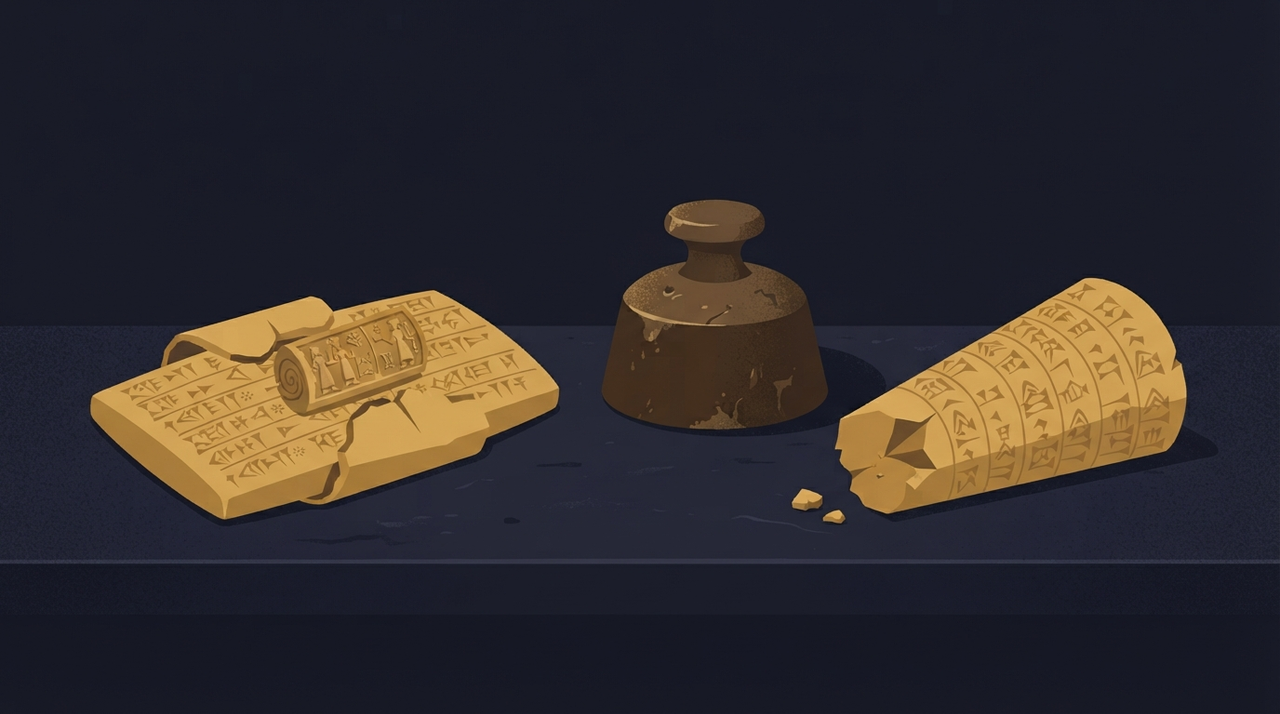
Imagine a small clay tablet, no larger than a modern smartphone, pressed with cuneiform script and sealed with a stamp cylinder rolled across its surface. This artifact from ancient Mesopotamia, unearthed in the ruins of Nippur around 2000 BCE, records a straightforward transaction. A farmer named Lu-Inanna borrows twenty shekels of silver from the temple scribe. Interest accrues at one shekel per month, due in three months' time. A guarantor, the local potter, pledges his own fields if Lu-Inanna defaults. Witnesses scratch their names below, and the deal is done. Such tablets form the backbone of the history of debt, revealing not abstract economics but human relationships etched in clay.
These objects pull us into a world where debt bound communities together and tore them apart. Far from timeless financial principles, they document institutions shaped by kings, temples, scribes, and farmers in the fertile crescent between the Tigris and Euphrates rivers. Debt here was no mere ledger entry. It was a social tie, often secured by land, labor, or family. To understand its echoes, we must first grasp its forms, then trace how rulers intervened, and finally see how moral and legal traditions across millennia wrestled with its weight.
Mesopotamian Loans: Clay Contracts in the Cradle of Civilization
In Sumer around 3000 BCE, the earliest known Mesopotamian loans appear on pictographic tablets. By the Old Babylonian period, under Hammurabi's rule from 1792 to 1750 BCE, these evolve into sophisticated contracts. Loans come in barley for consumption during lean months or silver for trade and seed. A typical barley loan from Larsa might specify thirty kors of grain at twenty percent interest, repayable after harvest. Silver loans, rarer and for elites, hover around one-sixth annual interest, though rates vary by tablet and locality.
Scribes in temple archives meticulously note conditions. Productive loans fund plows or irrigation, expecting repayment from yields. Consumption loans tide families over famine, secured by future labor. Tax arrears pile up when harvests fail, forcing payments to palace granaries. Temple debts bind priests and worshippers to divine institutions, where failure means ritual impurity.
Debt's Human Toll: From Bondage to Sale
Default carried stark consequences. Debtors pledged fields, first. Persistent failure led to antichretic pledges, where creditors worked the land and kept proceeds until repaid. Worse came debt slavery: families sold children or themselves into service. A tablet from Sippar details a woman indentured for her husband's barley debt, working the lender's household for three years.
Moral language permeates these records. Oaths invoke gods like Shamash for justice. Proverbs warn of the poor crushed under debt's yoke. Yet lenders were not villains alone; temples lent to the needy, sustaining the social order. Power flowed from those who controlled surplus: palaces, temples, wealthy merchants. Free farmers and laborers borrowed, risking all.
Andurarum Debt Remission: Royal Mercy as Political Tool
Amid this cycle, kings stepped in with andurarum debt remission. Not a spiritual jubilee but a pragmatic decree, andurarum freed debt-slaves and canceled certain obligations. The term, meaning "hand of freedom," appears in edicts from Amorite rulers like those of Isin and Larsa before Hammurabi.
Hammurabi's predecessor proclaimed mīšarum, equity restorations, upon ascending the throne or after military victory. Year names boast: "The year King X performed the andurarum." These acts targeted consumer debts to merchants, sparing temple and palace claims. Slaves returned home; lands reverted. Political calculus shone through: new kings bought loyalty, stabilized agriculture, prevented revolt.
Limits of Royal Grace
Remission was selective. Elite debts to the crown stayed intact. Foreign merchants' claims persisted. Tablets post-edict show resumed lending, interest intact. This institution balanced creditor rights with social cohesion, a pattern echoing forward.
Biblical Shemitah: A Living Tradition of Release
Across the Jordan, Hebrew scriptures adapt Mesopotamian motifs. Deuteronomy 15 mandates shemitah every seventh year: lands lie fallow, debts among Israelites forgiven. Exodus ties this to exodus memory, liberation from Egyptian bondage. Unlike sporadic andurarum, shemitah rhythms the calendar.
Later rabbis interpret flexibly. The Mishnah debates if shemitah voids principal or just interest. Community courts enforce, adapting to diaspora realities. In medieval Egypt, Cairo Geniza letters plead for shemitah relief amid communal strife. Here, debt forgiveness becomes ethical imperative, sustained by scholarly authority rather than royal whim.
Riba in Islamic Finance History: Ethical Debates in Law
The Quran confronts riba head-on. Surah Al-Baqarah verse 275 equates it with war against God, prohibiting excess in exchanges. Early caliphs under Umar expand: no interest on loans, gold for gold, dates for dates, measure for measure.
Schools diverge in riba Islamic finance history. Hanafis permit sales with markup if risk shared; Shafi'is scrutinize deferment fees. Hanbalis recall Prophetic traditions banning nasiah riba, interest from delay. Ottoman fatwas navigate trade needs, allowing mudarabah partnerships sans fixed return.
From Theory to Practice
Muhtasib market inspectors enforced, fining usurers. Yet necessity birthed workarounds: double sales, bills of exchange. Riba discourse remains debate, not dogma, urging justice in contracts.
Usury Medieval: Church Bans and Montes Pietatis
In usury medieval Europe, the Third Lateran Council of 1179 condemns interest as theft. Gratian's Decretum draws from Aristotle and Augustine: money barren, lending unnatural. Canon law voids usurious contracts.
Jews, barred from guilds, lend to nobles, sparking pogroms when crowns default. Italian communes birth montes pietatis by 1462 in Perugia: Franciscan pawnshops charge modest fees for poor collateral, funded by communal taxes. Savonarola champions them in Florence against Jewish lenders. These institutions blend charity with pragmatism, echoing andurarum's selective mercy.
Power and Prejudice
Knights Templar innovate letters of credit, skirting bans. Lombard bankers in London face expulsion. Debt reinforces hierarchies: peasants pawn tools, burghers lose shops.
The Machinery of Debt: Power, Record-Keeping, and Ethics
Who held power? Temples amassed grain via tithes, lending to tenants. Kings taxed yields, foreclosing on arrears. In medieval Italy, communes regulated monti via statutes. Losers: smallholders, whose lands consolidated under elites. Sold into service: women, children, the destitute.
Technology underpinned it all. Mesopotamian bullae enclosed tokens for verification. Wax seals on Babylonian tablets deter tampering. Islamic waqf endowments log perpetual loans. These tools made debt enduring institution.
Ethically, traditions converge on excess harm. Leadership tests: Hammurabi proclaims mīšarum for legitimacy; caliphs enforce riba bans for piety; friars found monti for salvation. Yet power asymmetries persist.
Cross-Doors: Ethics, History, Economics, Laws, and Technology
- Ethics: Debt as covenant, demanding reciprocity without predation.
- History: Cycles of accumulation and release shape civilizations.
- Economics: Institutions allocate risk, not invisible hands.
- The First Laws: Codes from Ur-Nammu to Justinian regulate interest.
- Technology: From clay to ledgers, records institutionalize obligation.
Echoes Unresolved: Who Remains Bound?
These ancient mechanisms persist in spirit. One clause endures: remission clauses in contracts, invoking royal or divine grace. Yet questions linger. In andurarum, who was not released? Palace debtors, foreigners, the powerful. Shemitah spared non-Israelites. Montes excluded nobles. Riba debates shield partners, not usurers.
Debt's history invites seekers to probe further. What institutions today echo these tablets? Who holds the seals, and who bears the yoke? In the cosmic library of human arrangements, these stories remind us: obligation is relationship, forged in clay, ink, and conscience.