
Cities as Habitats: Urban Ecology, Multispecies Urbanism, and More-Than-Human Coexistence
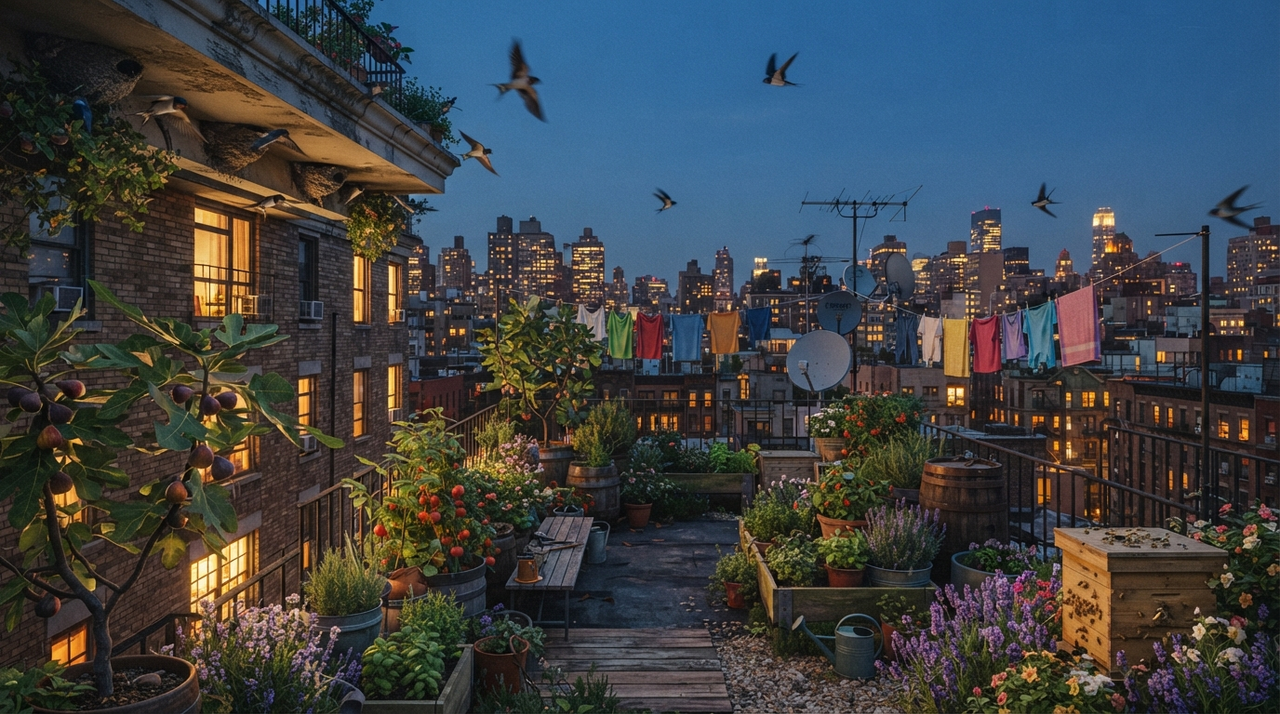
Picture a dawn chorus not in some pristine forest, but atop a concrete skyline: pigeons fluttering from ledges, sparrows darting between traffic lights, a bat slipping silently into a bridge crevice. These moments remind us that cities are habitats—vibrant, contested arenas of urban ecology where humans entwine with more-than-human life. Far from nature's exceptions, urban spaces pulse with multispecies rhythms, challenging the divide between wild and built worlds.
The City as Habitat: Foundations of Urban Ecology
In urban ecology, cities emerge as dynamic ecosystems. Urban heat islands—pockets of elevated temperatures from asphalt and buildings—alter migration patterns, drawing birds like chimney swifts through metropolitan flyways. Microbial communities thrive in subway grime and park soils, outnumbering human residents in sheer biomass. Street trees filter air for squirrels and aphids alike, while fungi decompose leaf litter in sidewalk cracks. Here, the city as habitat reveals itself: not a void of nature, but a mosaic shaped by concrete, policy, and persistence.
Historical Echoes of Multispecies Urbanism
Cities have long been multispecies endeavors. In ancient Mohenjo-daro, around 2500 BCE, intricate drainage systems channeled monsoon waters, sustaining crops, livestock, and unseen microbial life amid baked-brick walls. Fast-forward to medieval Cairo, where labyrinthine waste channels managed human and animal refuse, fostering markets teeming with donkeys, cats, and traders. Today, in Lagos, urban edges blur into mangrove swamps; fishers navigate tidal creeks laced with plastic, where mangroves shelter crabs and birds amid expanding informal settlements. These examples span eras and materials—from clay pipes to open ditches—highlighting how multispecies urbanism adapts to local constraints.
Material Conditions and Institutional Power
Drainage in Mohenjo-daro empowered elite quarters while marginalizing others; Cairo's systems favored central souks over peripheries. In Lagos, colonial legacies clash with resident ingenuity, as communities reinforce mangrove banks against floods. Scale matters: city-wide infrastructure intersects with neighborhood patches, where power dictates who accesses clean water or shade.
Everyday Coexistence: Pigeons, Bats, and Street Trees
Lived experience grounds human-animal coexistence. Pigeons strut Paris boulevards like feathered locals, scavenging falafel scraps. Bats roost in Delhi's minarets, emerging at dusk to hunt mosquitoes over slums. Street trees in São Paulo offer perches for parrots, their roots cracking pavement in quiet rebellion. Fungi colonize damp metro tunnels, recycling urban detritus. These neighbors negotiate space daily, their presence a quiet ethic: interdependence amid density.
Urban Environmental Justice: Canopy, Floods, and Equity
Who benefits from urban greenery? Affluent neighborhoods boast leafy canopies cooling summer heat; low-income areas swelter under heat islands, bearing flood risks from impervious surfaces. In many cities, Black and Brown communities face disproportionate exposure to polluted air and stormwater surges. Institutions like municipal planning departments wield authority, yet residents—through community gardens or protests—reclaim agency. This more-than-human lens demands justice: equitable access to the shade of oaks or the respite of bird-filled parks.
Comparing Urban Ecologies: Singapore and Detroit
Pathways and Constraints
Singapore's garden city vision, rooted in 1960s postcolonial planning, integrates vertical forests and rooftop farms amid land scarcity. Functions emphasize managed biodiversity: otters swim engineered canals, municipal ecologists monitor species. Detroit, post-1970s deindustrialization, sees spontaneous regreening—vacant lots sprout oaks and foxes, driven by resident-led urban farms amid economic constraints. Differences abound: top-down versus grassroots, tropical engineered versus temperate wilding. Counterevidence appears in Singapore's occasional invasive pests and Detroit's contaminated soils. Today, Singapore's agencies collaborate with experts; Detroit empowers block clubs and stewards.
Crossroads with Sacred Places and Ancestors
Urban habitats echo sacred groves in ancient cities, where trees marked divine-human pacts—linking to Aetheria's Sacred Places Door. Ancestral waste rites in Cairo prefigure modern recycling, inviting reflection on lineages of care via the Ancestors Door.
Noticing Your Non-Human Neighbor
Pause amid the rush: who shares your stoop? That resilient pigeon, the fungi threading your alley? In recognizing these allies, we foster more-than-human coexistence—a humane ethic for cities as thriving habitats. What neighbor will you greet tomorrow?