
Archives and Power: Unraveling Archival Silence and Missing Voices in History
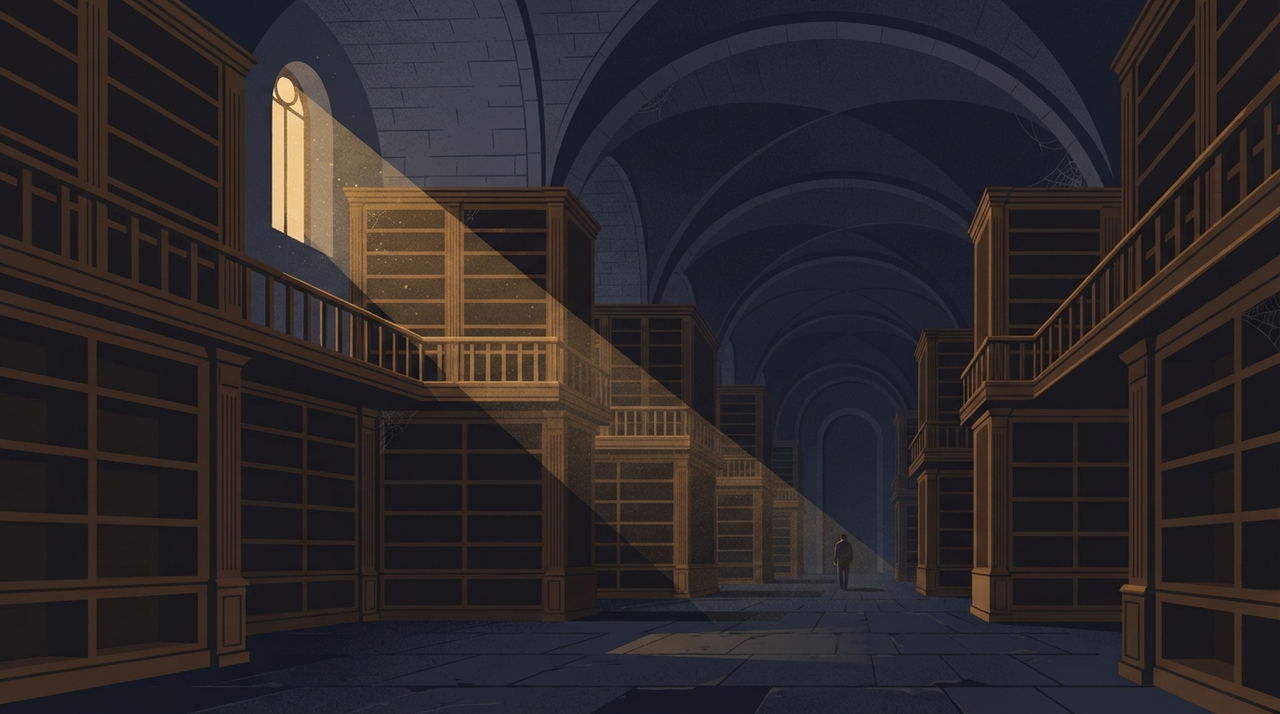
Picture a cavernous room in modern Iraq, where excavators unearth clay tablets from Sumerian temple archives, circa 3000 BCE. These brittle relics—mostly ledgers of grain shipments and sheep tallies—whisper of bustling economic life under priestly oversight. But where are the voices of the laborers who hauled those sacks? The women who wove the temple cloths? This is archives and power in action: what survives shapes our story of the past, while archival silence swallows the rest.
Archives are not neutral vaults of truth. They are human institutions, forged by choices in creation, preservation, and access. Who writes history? Often, those with the resources to etch, store, and protect their words. Preservation bias favors the powerful: rulers, temples, states. Everyday lives dissolve into dust, leaving missing voices in history that historians must navigate like shadows in fog.
Ancient Archives: Temples, States, and Selective Survival
In Sumer, temple complexes like those at Uruk functioned as economic powerhouses. Thousands of cuneiform tablets record offerings, loans, and land grants—pathways to understanding sacred kingship, where divine rulers managed collective memory through writing. These historical records endured because baked clay tablets resisted time and flood, unlike perishable wood or hides used by nomads.
Contrast this with Egypt's administrative papyri from the New Kingdom (c. 1550–1070 BCE). Rolled documents detail census counts, tax assessments, and worker rations from sites like Deir el-Medina. Here, state bureaucracy preserved records for control, not commemoration. Differences emerge in function: Sumerian tablets blend religious and economic roles, while Egyptian papyri emphasize pharaonic administration. Counterevidence? Rare personal letters on ostraca (pottery shards) hint at broader lives, but they pale against official hauls.
Power's Hand in Preservation
Religious and state power dictated what lasted. Temples archived divine transactions; kings tallied subjects for tribute. Economic incentives amplified this: durable materials for vital records. Yet absence looms—Sumerian farmers' complaints? Egyptian slaves' laments? Lost to preservation bias.
Colonial Echoes and Modern Silences
Fast-forward to colonial archives, like British East India Company ledgers from 18th-century India. These historical records meticulously log trade revenues and censuses, enforcing imperial control. Indigenous oral traditions and local manuscripts? Systematically undervalued, destroyed, or ignored. Power dynamics persist: colonizers preserved what served empire, muting missing voices in history.
Such biases ripple into today. State archives prioritize officialdom; private collections favor the elite. Archival silence isn't accidental—it's a byproduct of who holds the keys.
Historians and the Art of Absence
Scholars confront this void head-on, distinguishing primary evidence—direct artifacts like those Sumerian tablets—from reconstruction (inferring diets from bone isotopes) and interpretation (debating a king's motives). Uncertainty is ever-present: a tablet's survival doesn't prove ubiquity; silence might signal rarity or deliberate erasure.
- Primary: Tangible records, biased yet foundational.
- Reconstruction: Builds from indirect clues, like pottery styles tracing trade absent from texts.
- Interpretation: Layers meaning, forever provisional.
This dance with absence links to Aetheria's doors on Ancient Civilizations (Sumer-Egypt chronologies), Sacred Kingship (temple power), Writing & Memory (cuneiform's role), and Consciousness (collective memory's gaps).
Embracing the Gaps
Archives reveal as much through what's missing as what's there. Archives and power remind us: history is partial, contested, human. By naming silences, we honor the unheard.
What absences do you notice in the stories you inherit? Journal them—turn silence into inquiry.