
Arguments in Stone: Ancient Propaganda, Monuments, and the Politics of Public Memory
Imagine a colossal stele thrusting skyward from the Mesopotamian plain, its carved figures frozen in eternal triumph. King Naram-Sin of Akkad strides over crumpled foes, his horned helmet piercing the heavens. This is no mere artwork—it's an argument in stone, a calculated bid to shape public memory politics. In Aetheria's cosmic library, we uncover how ancient polities wielded monuments not just to commemorate, but to dictate what endures and what fades. These enduring slabs reveal the artistry of political storytelling, where rulers curated collective memory through selection, erasure, and repetition.
Monuments stand at the crossroads of rhetoric and reality. They differ from ephemeral speeches or private diaries: carved for permanence, they blend public rhetoric with institutional history. Some inscribe laws, like Hammurabi's code stele, enforcing legal memory. Yet viewers' lived experiences—farmers toiling nearby, soldiers scarred by battle—often clashed with the chiseled narrative. Scholarly interpretations today peel back layers, while modern museums or protests repurpose them, sparking fresh debates on collective memory.
Ancient Propaganda: Curation Over Fabrication
Propaganda ancient wasn't crude lies but masterful editing. Rulers amplified victories, omitted defeats, and repeated motifs to embed them in the cultural psyche. The Mesopotamian naru stele tradition exemplifies this: towering basalt slabs narrated royal conquests, positioning kings as divine agents. Egyptian mnw monuments on temple pylons did likewise, their reliefs wrapping sacred spaces in imperial glory. Greek mnemeia and Roman exempla shifted toward civic or moral lessons, yet all served power's memory machine.
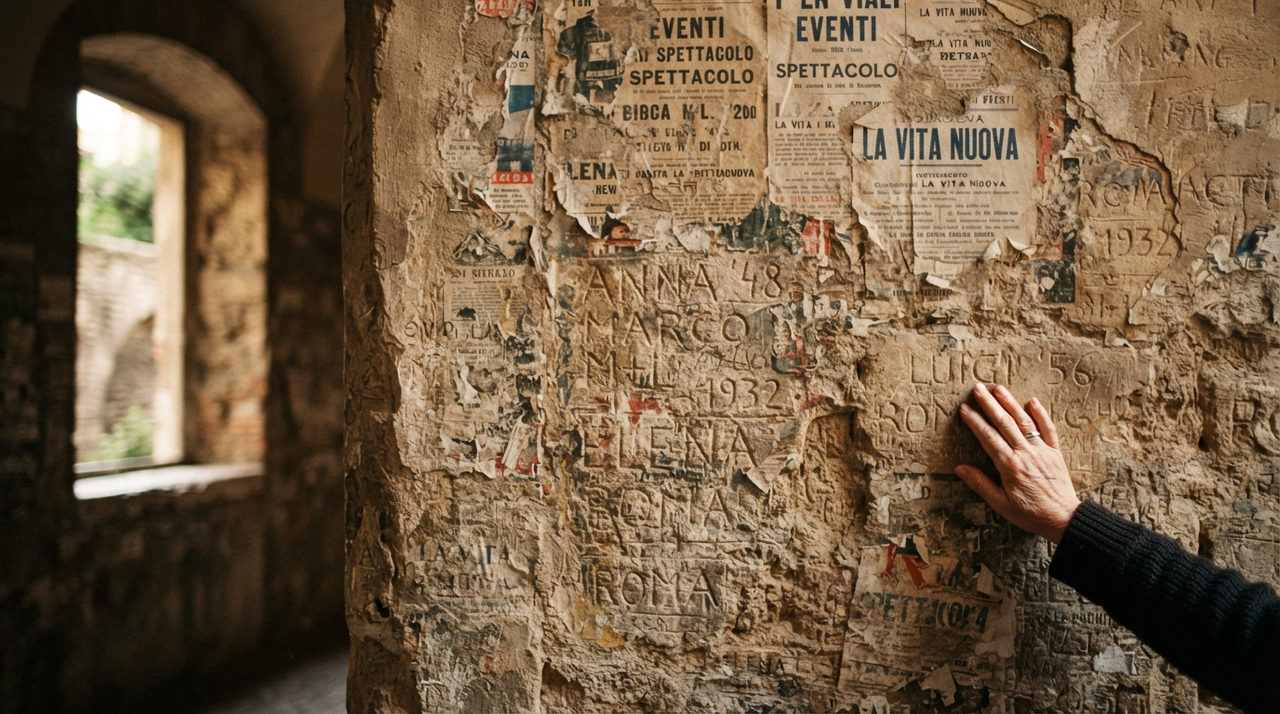
This curation had bite. Whose victories shone? Elite warriors and gods. Whose suffering vanished? Conquered peoples, unnamed laborers dragging quarried stone across deserts. Exclusions bred counter-memories: Egyptian ostraca scribbled with workers' gripes, Pompeii graffiti mocking emperors, oral epics preserving the vanquished's side. These whispers challenge the stone's monologue, reminding us that public memory politics silences as much as it speaks.
Monuments in Bounded Comparison: Stele, Relief, Inscription
Akkadian Victory Stele: Royal Supremacy Circa 2250 BCE
The Naram-Sin stele, unearthed near Susa, captures Akkad's imperial zenith. The king towers over mountains and enemies, trampling the defeated underfoot. Functioning as a monument and inscription, it blended text and image to legitimize conquest across diverse audiences—from Babylonian scribes to mountain tribes. No counterevidence survives directly, but later Sumerian laments hint at Akkad's fall as cosmic retribution, inverting the stele's boast.
Egyptian Temple Pylon Reliefs: Divine Kingship in the New Kingdom
Fast-forward to Luxor's Karnak temple, where Ramesses II's Kadesh battle scenes adorn pylons around 1274 BCE. Trumpets blare as pharaoh smites Hittites, yet Hittite archives reveal a bloody stalemate brokered by treaty. Here, propaganda ancient fused religion and warfare: reliefs flanked temple rites, immersing priests and pilgrims in eternal victory. Differences abound—static hierarchy versus Akkad's dynamic ascent—yet both erased nuance for unity.
Athenian Casualty Lists: Democratic Remembrance in the 5th Century BCE
Contrast these with Athens' marble stelai on the Acropolis, listing war dead from Marathon to Sicily. Chronologically later, these mnemeia served civic function: honoring citizens (slaves and metics often absent), fostering solidarity amid democracy's perils. Unlike royal solos, they aggregated names, yet omitted defeats' full toll. Thucydides' history provides counterevidence, critiquing the gloss.
Pathways diverged: Akkadian portable steles for itinerant display, Egyptian fixed reliefs for ritual circuits, Athenian public inscriptions for assembly gaze. Each reinforced present authority while shaping futures.
Echoes in Aetheria's Doors: From Ruins to Reflection
These stone arguments link Aetheria's Writing and Memory Door, where cuneiform meets papyrus; Records and Ruins, sifting shards for truth; and Death and Afterlife, probing how memorials defy oblivion. In our era, statues topple and plaques rewrite history—same politics, new stone.
Pause amid inquiry. What political storytelling graces your city's squares? Journal the edits: names etched or effaced, stories amplified or muted. In Aetheria's light, seek the full spectrum—stone speaks, but memory listens widely.