
Cracked Victories, Silent Defeats: Reading Royal Inscriptions and Propaganda in Leadership Historiography
A Fractured Boast from the Dust
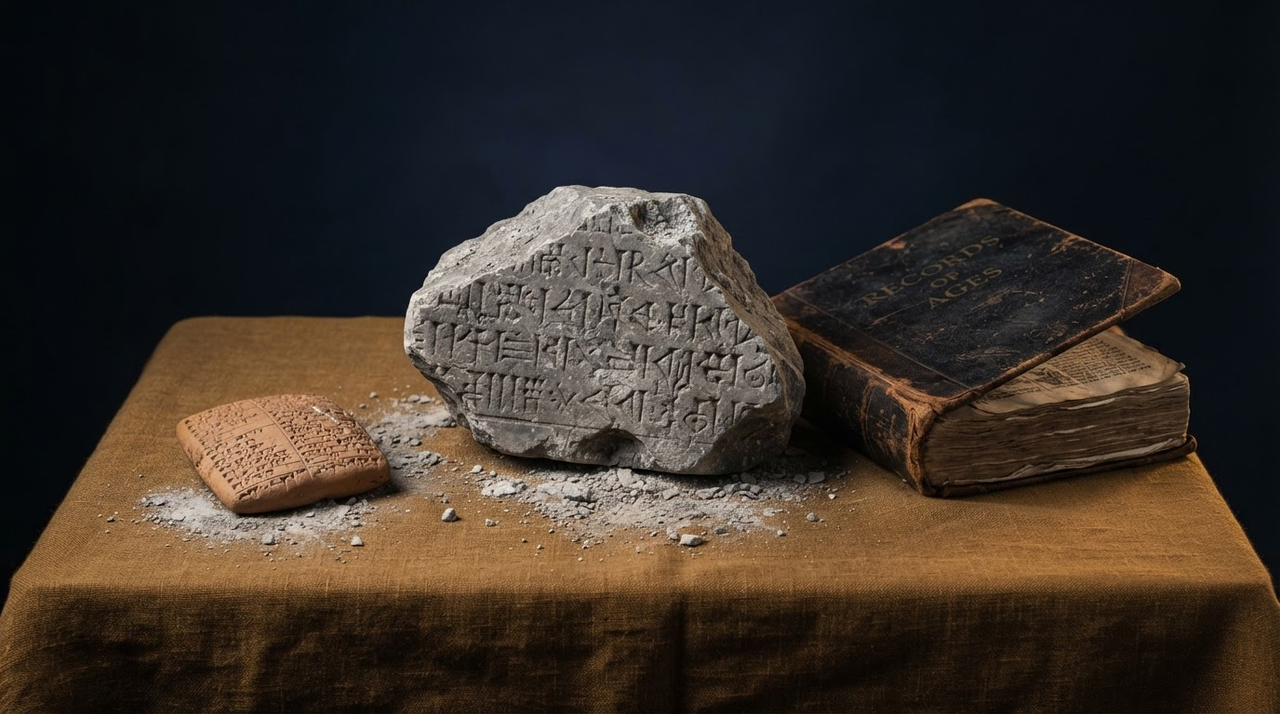
Picture a weathered limestone stela, half-buried in the sands near Luxor. Its surface, etched deep with hieroglyphs, cracks run through the god king's profile. The text begins boldly: "His Majesty, mighty bull, lord of strength, charged into the fray at Kadesh. The vile Hittites fled like sparrows before the falcon." Ramses II proclaims total triumph in 1274 BCE. Temples from Abu Simbel to Karnak echo this narrative in towering reliefs, chariots crushing foes, pharaoh smiting thousands single-handed.
Centuries later, a scribe in the Ramesside era pens a different tale on crumbling papyrus. Found in a Theban tomb, it whispers of the battle's chaos. Hittite chariots nearly captured the pharaoh. Allies betrayed him. Victory? A fragile armistice sealed by treaty, not conquest. The stela's boast endures in stone. The papyrus molds away. This tension defines royal inscriptions as sources: monumental claims against elusive silences.
Leadership historiography demands we dwell here. Palace texts seduce with grandeur. Yet they craft image, not chronicle. To study rulers without swallowing propaganda wholesale, grasp the genres. Spot the gaps. Weigh counter-traces. This essay maps a method for reading propaganda in ancient records, from Mesopotamian annals to imperial edicts. Readers of history's leadership door enter skeptical, emerge discerning.
Genres of Royal Self-Presentation
The Royal "I": First-Person Triumphs
Rulers speak directly. "I, Hammurabi, the mighty king," declares the Babylonian stele. First-person inscriptions dominate Near Eastern records. Ashurbanipal of Assyria boasts: "I shattered Elam like a pot." These I-statements fuse autobiography with theology. The king channels gods, tallies enemies slain, canals dug, temples raised. Egyptian kings follow suit in victory stelae. Sargon II of Assyria narrates campaigns in prism inscriptions, each victory a link in divine chain.
Such texts perform. They legitimize succession, rally elites, deter rebels. Not lies, exactly. Exaggeration amplifies reality. Scale multiplies: one chariot charge becomes thousands felled. Yet the form betrays intent. Repetition signals ritual, not reportage.
Third-Person Praise: Court Literature as Hagiography
Shift perspective. Scribes craft third-person annals. Neo-Assyrian eponym lists blend with royal court literature: "In the reign of Tiglath-Pileser III, the king of Damascus bowed low." Praise poems lionize. Hittite kings receive annalistic summaries, each year a notch of glory. Chinese imperial histories, compiled later, adopt this veil. The Shiji of Sima Qian praises Han Wudi's conquests while noting overreach.
These works serve the throne. Courtiers compose under patronage. Formulas recur: epithets like "sun of all lands." Absence speaks. Defeats vanish. Predecessors suffer damnatio memoriae. Hatshepsut chisels out Thutmose II. Roman emperors hammer faces from coins. Erasing rivals restores cosmic order.
Later Frames: Greek, Chinese, and Oral Lenses
Historiography evolves. Herodotus probes Persian royal claims, interviewing locals for cracks. Thucydides dissects Athenian leaders' speeches against deeds. Chinese annals, like the Zuo Zhuan, moralize Zhou kings' falls. Oral traditions persist. West African griots recite Mali emperors' glories laced with cautionary falls. Sundiata epic balances conquest with kinship debts. These frames teach leadership historiography: hold inscription against memory's weave.
Counter-Evidence: Traces Beyond the Palace
Archaeology's Unfinished Symphony
Stones lie. Temples halt mid-build. At Nineveh, Sennacherib's palace southwest wing crumbles incomplete. Campaigns drained coffers? Jerusalem resisted his siege, per biblical echo and Lachish reliefs. Unfinished ziggurats at Babylon signal Nabonidus' distractions. Abandoned capitals betray. Elamite Susa sacked, then deserted despite boasts. Village digs yield scant royal trace. Palaces glitter; countryside starves.
Administrative Gripes and Satirical Whispers
Papyri protest. Egyptian ostraca from Deir el-Medina curse Ramesside taxes post-Kadesh. "The great victory brings heavier corvee," scrawls a workman. Babylonian chronicles note harvests failed under Nebuchadnezzar II's wars. Tax quotas spike after triumphs. Jokes pierce. A Middle Kingdom satire lampoons Pepi II's endless reign: "He sends for a dwarf from Punt, waits decades." Aristophanes mocks Persian kings in Greek plays. Folk barbs survive in margins.
- Uninscribed arrowheads litter battlefields, owners unknown.
- Hoards of coins from rebel mints challenge royal monopoly.
- Graffiti on monuments: "Pharaoh lies."
These fragments counter court literature. They reveal strain beneath splendor. Rulers project invincibility; subjects record costs.
Community Reception of Rulers: Beyond Elite Echoes
Palace voices dominate archives. Common reception lurks in peripheries. Inscriptions praise; letters lament. Achaemenid Persepolis tablets tally tribute, workers' rations thin. Elamite villagers petition for relief. Indian Ashokan edicts preach dharma to masses, yet Tamil Sangam poetry ignores him, favoring local chiefs. Community forgets what elites amplify.
Oral strata layer truth. Beowulf mingles kingly deeds with hall-burnings. Icelandic sagas judge Norwegian jarls by farmer eyes. Reception fractures: elites applaud, peasants parody. Satirists thrive in courts tolerant of wit, like Abbasid Baghdad. Al-Jahiz mocks caliphs' pomp. Modern ethnography revives: Himba elders recall Ovambo kings' cattle raids, unmentioned in praise poems.
Inscriptions shout from centers. Silences murmur from edges. True community reception of rulers emerges in tension.
Nationalist Revivals and Enduring Authority
Ancient kings haunt now. Egypt's Nasser era restored Ramses statues, claiming pan-Arab might. India's BJP invokes Ashoka selectively, dharma sans edicts' pacifism. Ethiopia's Haile Selassie traced to Solomon, justifying throne till 1974. These revivals weaponize royal inscriptions as sources. Nationalists polish boasts, erase defeats. Historiography must expose this. Authority persists: tourists marvel Luxor obelisks, forgetting village papyri.
Communities live texts. Kurdish singers adapt Seljuk sultans' epics. Mexican murals recast Aztec tlatoani against conquest. Reading demands context: how boasts bind identity today.
Cross-Doors: History Meets Archaeology, Linguistics, Sacred Kingship
Aetheria Journal thrives on intersections. History's narratives cross Archaeology's digs. Unfinished walls at Persepolis question Darius' stability. Linguistics deciphers titles: Akkadian "šar kiššati" (king of totality) inflates rule. Sacred Kingship Room probes theology: pharaoh as Horus embodies order, yet Nile floods mock.
- History: Chronologies align boasts with eclipses dated precisely.
- Archaeology: Palace hoards vs. village poverty.
- Linguistics: Epithet shifts signal propaganda pivots.
- Sacred Kingship: Rituals paper over famines.
Weave doors. Leadership emerges multidimensional.
The Method: Boast and Silence in Hand
Practice this. Select one inscription. Ashurbanipal's lion hunt reliefs proclaim ferocity. Pair with silence: Elamite resurgence post-conquest, per archaeology. Hold together. Ask: What image serves? Costs hidden? Reception implied?
Scale up. Map genres across reigns. Tally counter-traces: buildings halted, complaints logged. Consult later frames: Sima Qian on Qin fall. Community voices: oral variants. Nationalist lenses sharpen scrutiny.
This yields leadership historiography alive. Rulers neither infallible gods nor cynical frauds. They navigate power's currents, etching victories, muting defeats. Cracks reveal flow beneath.
In Aetheria's Community, share your pair: boast from stone, silence from soil. What leader emerges? Inquiry opens.