
Ending Ancient Unions: Divorce Tablets, Widow Rights, and Property Laws in Mesopotamia and Egypt
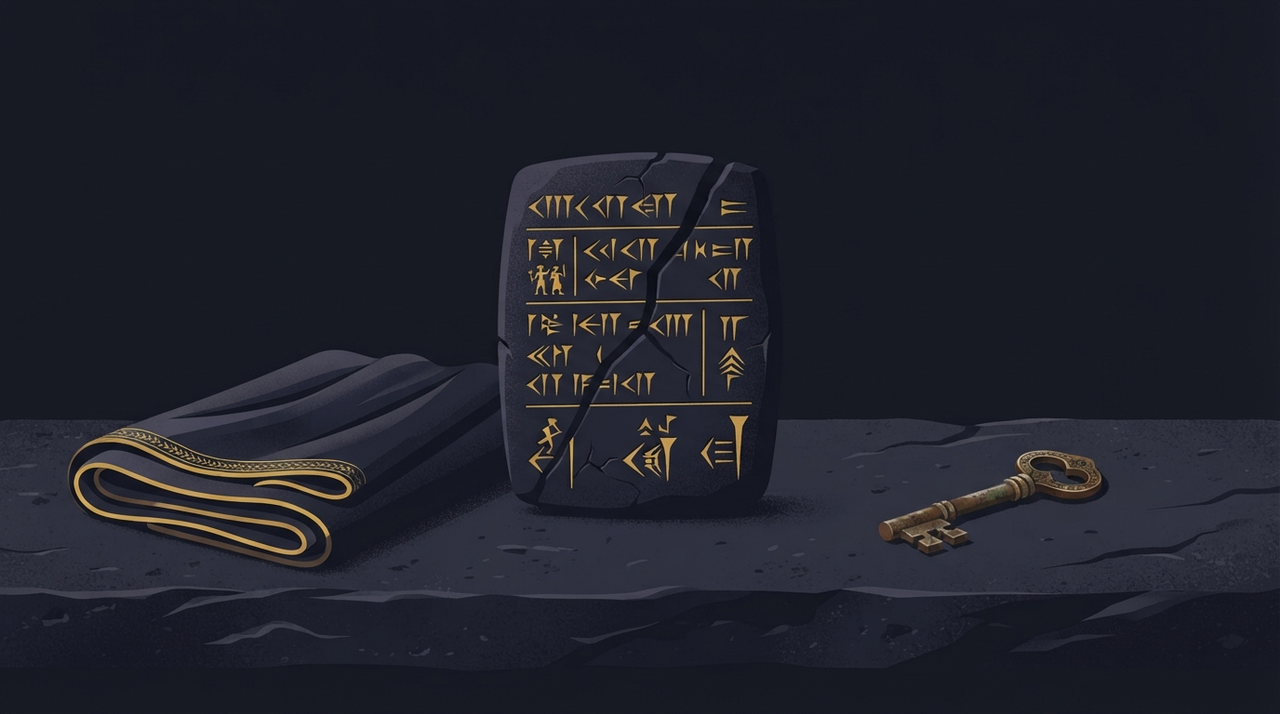
Clay crumbles under careful fingers in a museum vault. The tablet, etched with wedge-shaped signs, hails from Sippar, a bustling Mesopotamian city around 1800 BCE. Its words declare a divorce: a husband named Warad-Sin releases his wife, Iltani, from their marriage. She walks away with her dowry intact, a silver bracelet, and fields that sustained her household. No tears recorded here, only terms. This fragment captures the history of divorce not as scandal, but as procedure, a legal severing amid the rhythms of ancient life.
In Mesopotamia and Egypt, unions ended through deliberate clauses, not just death's finality. Divorce tablets formalized separations. Widow petitions claimed inheritances. Property laws shielded or stripped the vulnerable. These practices reveal societies grappling with household survival, lineage continuity, and individual agency. Readers drawn to the widowhood ancient world find here no glorification of endurance, no judgment on parting. Instead, records of practical humanity: who kept the children, the land, the name?
Legal Release Meets Ritual Mourning
Ancient endings blurred lines between law and custom. A divorce tablet served as legal release, a contract dissolving bonds. In Old Babylonian times, such documents listed payments, returning bridal gifts or compensating for separation. Yet beyond parchment or clay lay ritual mourning. Families shaved heads, donned sackcloth, regardless of cause. Household survival demanded quick adaptation; a divorced woman rejoined kin or remarried swiftly. Later moral commentary, echoed in proverbs or priestly texts, weighed fault, but courts focused on equity.
Consider the distinctions. Legal release freed parties contractually. Ritual mourning honored the loss, communal acknowledgment of change. Household survival pivoted on resources: grain stores, looms, livestock divided per prior agreements. Moral commentary, often retrospective, appeared in wisdom literature, urging fidelity without dictating permanence as ideal.
Mesopotamian Divorce: Clauses and Costs
In the Mesopotamian divorce tradition, husbands held initiative more often. The Code of Hammurabi, etched on a towering diorite stele around 1750 BCE, outlines penalties. A husband divorcing without cause paid one mina of silver, his bride price returned. Adultery shifted terms: death for the wife, leniency possible via ordeal by river. Wives initiated less freely, but archives from Sippar and Nippur show petitions succeeding. One tablet records a wife charging neglect; her husband pays double her dowry for freedom.
Limits abounded. Slave wives or those without kin faced barriers. Payments deterred whim, protecting stability. Yet flexibility endured; remarriage law allowed second unions, dowries recycled into new households.
Egyptian Widows and the Power of Property
Across the Nile, Egyptian widow property rights stood firmer. Marriage pooled assets loosely; divorce or death divided them equitably. Papyrus documents from Deir el-Medina, a village of tomb builders in the New Kingdom (circa 1500-1100 BCE), detail widow claims. One scroll lists a widow, Naunakht, reclaiming linens, beer jars, and land after her husband's passing. Courts upheld her portions, separate from joint gains.
Documents of Division After Death
Widowhood triggered inventories. Scribes tallied goods: beds, tools, cattle. Egyptian law presumed women's competence; widows managed estates, leased fields, even sued heirs. A Ramesside papyrus records a widow contesting her sons' grabs, winning her sheaves of emmer wheat. Remarriage beckoned but did not erase claims; new husbands respected prior holdings.
Divorce mirrored ease. No state approval needed; mutual declaration sufficed. Women retained personal property, dowry untouched. Men forfeited shared gains if at fault. This system, rooted in ma'at, cosmic balance, prioritized fairness over permanence.
Echoes in Tradition: Biblical Get, Levirate, and Beyond
Neighboring traditions layered complexity. Biblical texts describe the get, a divorce writ husbands delivered. Deuteronomy mandates it for certain separations, freeing wives for remarriage. Widow status evolved; without sons, levirate bound a brother to marry her, securing lineage. Refusal invoked public shame, sandal removal ritual. These as living tradition, later Jewish law refined protections, ensuring widows' voices in rabbinic courts.
Roman Shifts and Christian Layers
Rome introduced manus marriage, property under husband's control, harder to exit. Free marriage allowed separation, assets returned. Christian eras tightened: councils discouraged divorce, elevating indissolubility. Yet practices persisted, local customs bending doctrine. Levirate and widow-inheritance carried coercion risks, brothers pressured, widows sidelined. Not destiny, but historical pivot, contrasting Mesopotamian pragmatism.
Children, Names, and the Thread of Lineage
Unions ended, but lineage endured. Mesopotamian tablets specified child custody: mothers often kept young ones, fathers paid support. Older sons stayed patrilineal, inheriting names. Egyptian records show flexibility; widows reared children, remarried fathers adopting seamlessly. Adoption formalized bonds: childless couples took in orphans, tablets sealing status.
- Divorce clauses awarded children to the nurturing parent, grain allotments attached.
- Widows named sons as heirs, daughters wed with portions.
- Fostering bridged gaps; kin networks absorbed the displaced.
Names carried weight. Patrilineal default yielded to maternal lines if needed. Legal tools like adoption ensured continuity, not sentiment, but survival. Children navigated splits, bearing dual ties or new ones.
Poverty's Shadow: Widows Between Protection and Peril
Widow emerged as legal category across sources. Mesopotamian laws mandated kin support; failure invited temple intervention. Egyptian widows petitioned pharaohs, phyles of priests aiding the destitute. Charity flowed from temples, rations doled monthly. Yet erasure loomed: landless widows forced remarriage, voices muted in contracts.
In the shadow of ziggurats and pyramids, the unprotected widow faced kin claims or solitude, her petition the slender thread to justice.
Temples sheltered, kin obligated. Poverty pressed remarriage, sometimes coerced. Dignity lay in records: widows litigating, remarrying on terms, sustaining households.
Crosscurrents: Laws, Ethics, and Transitions
These endings intersect broader inquiries. Explore The First Laws for Hammurabi's stele origins. Ethics probes equity in Ethics. Economic lenses reveal property's role in Economics. Personal growth contemplates transitions in Personal Growth. Health addresses grief's communal care in Health.
Lingering with the Clause
Sit with one clause from a divorce tablet: "She is released to her kin." Whose voice lingers absent? The children's whispers? The scribe's haste? In pondering these silences, the history of divorce breathes. Widowhood ancient world unfolds not in triumph or tragedy, but in the quiet negotiation of endings. Remarriage law offered paths forward. Property secured tomorrows. Unions parted; lives persisted.
These ancient mechanisms, pragmatic and human, invite open inquiry. Students of existence find here no defaults, only diverse practices shaping survival.