
Beyond the Artifact: What Provenience, Context, and Formation Processes Reveal (and Hide) in Archaeology
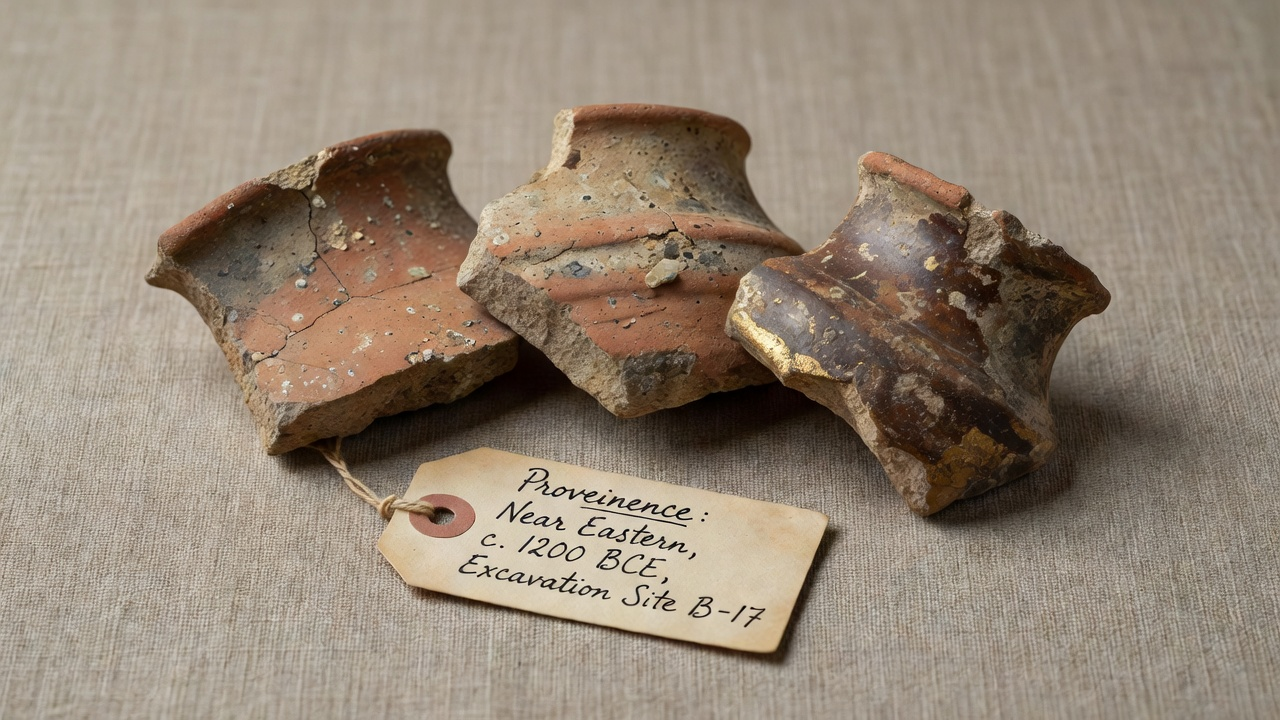
Picture this: a museum case glows under soft lights, cradling a shard of ancient pottery etched with faded patterns. Visitors pause, imagining feasts or rituals long vanished. But what if that archaeological artifact whispers half-truths? Alone, it tantalizes. Paired with its artifact context, it sings. Archaeology thrives not on isolated treasures, but on the invisible threads binding them—provenience, association, and formation processes that both illuminate and obscure the past.
In the halls of history, artifacts beg questions: Who crafted this? For what purpose? When? Yet answers hide in the dirt they emerged from. This exploration peels back those layers, revealing how provenience association anchors meaning, while unchecked assumptions blur it. For the intellectually curious—museum strollers, students, seekers—Aetheria invites you deeper into archaeology's nuanced dance.
Provenience: The Anchor of Archaeological Artifacts
Provenience marks the precise spot where an archaeological artifact is found—its GPS in time's vast map. Not just coordinates, but depth, stratum, orientation. A bead from a grave differs vastly from one in a trash pit. This provenience association ties objects to people, events, lives.
Without it? Artifacts float, unmoored. Looted relics, ripped from sites, lose this lifeline. Museums brim with such orphans—beautiful, yet mute on origins. Their value plummets: no dating via surrounding layers, no cultural ties. Ethical archaeology demands recording provenience meticulously, transforming raw finds into material evidence.
Primary Context vs. Secondary: The Artifact's Life Stages
Primary Context: Where Artifacts Were Meant to Be
Artifact context splits into primary and secondary. Primary is original: a tool discarded mid-task, pottery shattered on a hearth. Here, archaeological assemblages—clusters of artifacts—speak volumes. A knife beside bones suggests butchery; seeds with grinding stones evoke meals.
Secondary Context: Disturbance and Deception
Secondary context arrives via disturbance—plows, burrows, floods. Artifacts migrate, misleading. A Roman coin in medieval soil? Curated heirloom, not conquest relic. Looters accelerate this chaos, scattering archaeological assemblages irreparably. Why? No formation processes to trace—the natural and human forces shaping deposits.
Distinguish this from interpretation: primary context offers direct material evidence; secondary demands caution. Dating via stratigraphy or radiocarbon works best in pristine layers. Reconstruction builds models; reception shapes modern views. Inference? Tread lightly, lest over-interpretation fabricate fables.
Archaeological Assemblages and Formation Processes
Archaeological assemblages are artifact symphonies—tools, refuse, structures in concert. Formation processes explain their score: discard patterns, decay rates, post-depositional changes. A site's biography unfolds: rapid burial preserves; exposure erodes.
Consider pottery sherds. In a house floor—primary context—they cluster with hearths, hinting domestic life. In fill (rubble backfill)—secondary—they're jumbled, from renovations or dumps. Formation processes reveal the difference: micromorphology spots trampling; soil chemistry flags manure-mixed fill.
Link this to broader tales. Explore how writing preserved memory in our Writing & Memory Door, or artifact roles in Ancient Civilizations Door. Sacred sites, detailed in Sacred Places, amplify context's power.
Material Evidence: Use-Wear, Residues, and the Perils of Over-Interpretation
Material evidence like use-wear—microwear on blades from cutting—and residues—starch on pots—fuels insight. A polished axe edge screams tree-felling; lipid traces evoke stews. Yet beware: experiments calibrate, but analogies falter across cultures.
- Use-wear demands high-power microscopes; contamination skews residues.
- Assemblages contextualize: isolated polish? Ambiguous. With wood chips? Compelling.
- Over-interpretation lurks—ritual dagger or kitchen knife? Provenience decides.
Archaeologists wield careful language: "suggests," "consistent with." This humility honors the evidence, avoiding the sensationalism that plagues looted markets.
Echoes from the Earth: A Reflective Close
Artifacts endure; contexts whisper. Provenience pins them; assemblages animate; formation processes narrate the chaos in between. Looted voids remind us: knowledge is fragile, pieced from dirt's patient archive.
Next museum visit, linger on labels. Beyond the gleam lies a world's scaffolding—archaeological artifacts alive in their full, flawed context. What hidden stories await your gaze?