
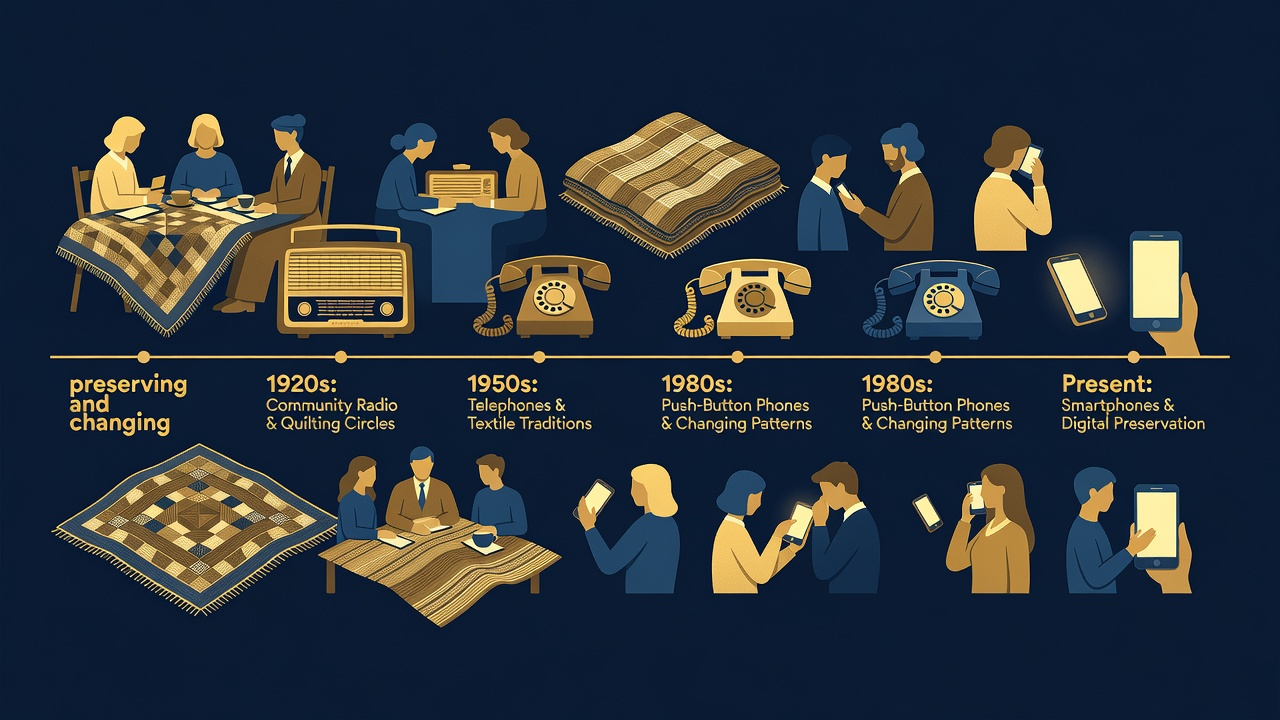
Dynamic Culture Unveiled: Anthropology of Cultural Continuity, Change, and Historical Contestation
Picture this: In Oaxaca, Mexico, on November 1, 2023, families gather around ofrendas—vibrant altars bursting with marigolds, sugar skulls, and photos of the departed. The air hums with copal incense and mariachi strains. Yet amid the ancient rhythms, teenagers livestream the scene on TikTok, while vendors hawk glow-in-the-dark calaveras to tourists. This isn't a frozen relic of the past. It's dynamic culture in motion—a living tapestry woven from historical anthropology, where threads of continuity tangle with bold reinventions.
For those who view culture as an unchanging monolith, passed down like heirloom china, this scene shatters the illusion. Anthropology reveals culture as fluid, contested, and profoundly historical. Far from static traditions, it's a battlefield of continuity and change, shaped by generations, economies, and media. Let's unravel this through Oaxaca's Día de los Muertos, a ritual rooted in Aztec reverence for the dead but endlessly reshaped.
Beyond the Static Veil: Embracing Dynamic Culture
Dynamic culture pulses with internal debates, economic pivots, and technological surges. Unlike the myth of immutable heritage, culture change anthropology spotlights how practices evolve while retaining core essences. In Oaxaca since the 16th century, Spanish colonizers fused Catholic All Saints' Day with indigenous muertitos festivals, birthing Día de los Muertos. This wasn't mere blending—it sparked ongoing contestations over authenticity.
Consider cultural continuity: Families still welcome spirits with favorite foods on altars, echoing pre-Hispanic beliefs. But change creeps in relentlessly. What endures isn't rigid preservation but adaptive resilience, distinguishing lived continuity from staged performances for outsiders.
Historical Anthropology of Oaxaca: Continuity Amid Flux
Generational Rifts and Living Traditions
Flash back to 1985 Oaxaca: Rural elders crafted handmade papel picado banners during agrarian harvests, sharing oral stories of ancestors under candlelight. Fast-forward to 2023—urban millennials layer LED lights on ofrendas, debating on Instagram whether Disney's Coco (2017) honors or dilutes the rite. Elders decry commercialization; youth argue it globalizes respect for the dead. This isn't erosion; it's historical anthropology unfolding, with generational fault lines fueling evolution.
Economic Shifts Reshaping Rituals
Oaxaca's economy flipped from cornfields to tourism booms post-1990s NAFTA. Street markets now brim with mass-produced alebrijes—fantastical creatures once humble crafts. Vendors thrive, but purists lament lost artisan purity. Yet continuity thrives: Compadres still compare ofrendas neighborhood-by-neighborhood, a social glue unbroken since colonial times.
Media's Double-Edged Sword
Social media accelerates culture change anthropology. Hashtags like #DiaDeMuertos rack up millions of views, inspiring global adaptations while sparking local backlash. Is a virtual ofrenda for migrants true continuity or hollow performance? Communities wrestle these questions yearly, proving culture's vitality lies in debate.
Continuity vs. Preservation Performance: The Anthropological Lens
Cultural continuity is organic endurance—Oaxacans intuitively placing water glasses for thirsty souls, a practice from Aztec cosmology. Preservation performance, however, stages rituals for cameras: Giant public altars in zócalos draw crowds but sideline intimate family vigils. Anthropology discerns the two: One breathes history; the other commodifies it. Linking to deeper origins? Oaxaca's roots trace to Mixtec and Zapotec civilizations—step into our History Door or Ancient Civilizations Door for those ancient threads.
Your Culture, Dynamically Decoded
Oaxaca unveils dynamic culture's truth: Neither frozen artifact nor whimsical fad, but a contested continuum. Now, turn the lens inward. Pick one family practice—holiday meals, wedding toasts, even holiday card-sending. Trace it across 30 years: How did 1990s versions differ from today? What economic tweaks, tech intrusions, or generational clashes reshaped it? In that reflection lies your personal portal to culture change anthropology.
Culture doesn't stand still—it dances, argues, and adapts, inviting us to join the rhythm.