
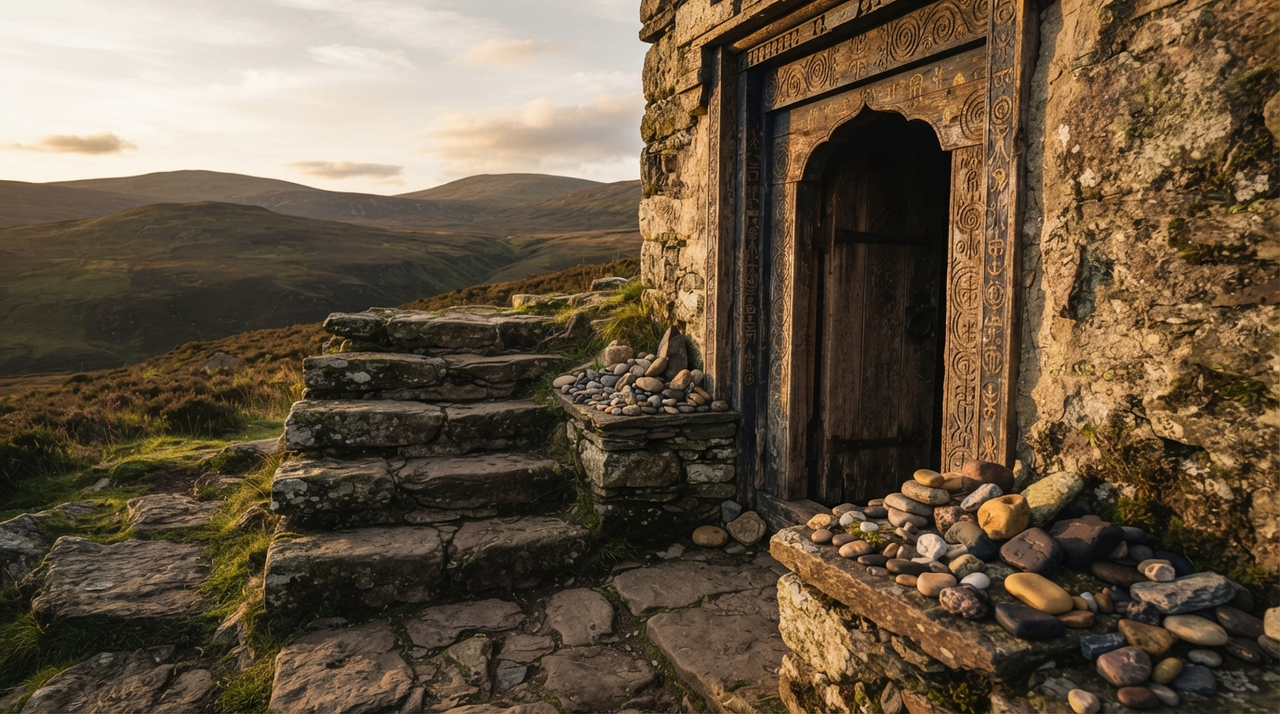
Embodied Spirituality: Body, Sacred Places, and Rituals That Shape Our Spiritual Journeys
Imagine a seeker perched on a windswept hilltop in ancient Levant, body taut with anticipation, feet planted on earth worn smooth by countless pilgrims before them. This is not the ethereal float of disembodied mysticism so often romanticized in modern tales of spirituality. No—this is embodied spirituality, where flesh, stone, and rhythm converge to etch meaning into the human soul.
Spirituality is frequently framed as a flight from the material world, a pure mind transcending the body's frailties. Yet history whispers otherwise. From archaeological digs to living traditions, evidence mounts that bodies, places, and rituals are not mere backdrops but essential threads in the spiritual tapestry. This contested framing—mind versus matter—invites us to reconsider: what if the body is not an obstacle, but a sacred vessel? In Aetheria's Knowledge Library, we explore this with curiosity and humility, honoring diverse paths without claiming universals.
The Body as Vessel: Spirituality Body Place Entwined
Our bodies carry spirituality like a pilgrim's staff—worn, directional, alive with memory. In spirituality body place dynamics, movement through space activates the spirit. Archaeological finds, such as worn paths at Neolithic sites, reveal how early humans used their forms to commune with the divine, kneeling, dancing, fasting. Historical scholarship interprets these as threshold markers, where physical strain forged communal bonds.
Yet we tread humbly: living communities hold authority over interpretations. What one group sees as embodied ecstasy, another guards as closed rite. The body demands respect—not as universal tool, but personal conduit, pulsing with breath and heartbeat.
Sacred Place and Spirituality: Chosen, Built, Remembered
Levantine High Places: Peaks of Encounter
High places in the Levant—rocky outcrops like those at Petra or Mount Ebal—stand as testaments to sacred place and spirituality. Chosen for their vantage, these sites drew bodies upward, orienting worshippers toward horizons both earthly and divine. Excavations uncover altars and offerings, layered by centuries, showing how communities built memory into landscape.
Egyptian Temple Precincts: Processional Paths of Power
In ancient Egypt, temple routes like those at Karnak guided pilgrims through monumental gates. Feet on sacred avenues, bodies swaying to drums, participants traversed thresholds from mundane to holy. Scholarship distinguishes built architecture from natural reverence, while today's guardians regulate access, preserving ritual integrity.
Pilgrimage Roads: Trails of Transformation
From the Camino de Santiago to India's Kumbh Mela paths, pilgrimage roads embody pilgrimage ritual meaning. These routes, remembered across generations, demand bodily endurance—blisters as badges, vistas as visions. Differences abound: some open to all, others restricted by community authority.
Ritual and Spiritual Life: Marking Thresholds, Forging Memory
Rituals pulse at the heart of ritual and spiritual life. They mark life's pivots—births, losses, harvests—with gestures that embed spirit in sinew. A procession circles a shrine; hands lift bread skyward. Functions vary: creating indelible memory, aligning communities, transitioning states.
- Thresholds: Physical acts signal inner shifts, as in Egyptian barque processions.
- Memory: Repeated steps etch sacred stories into collective flesh.
- Community: Bodies in sync reinforce belonging, from Levantine feasts to global pilgrimages.
We distinguish sources: archaeology offers bones and stones; scholarship weaves narratives; living voices command the present. No how-to guides here—sacred practices remain inviolate.
Crossroads in Aetheria's Library
This exploration bridges doors: delve deeper into Sacred Places for landscape lore, The Great Journey for pilgrimage epics, Archaeology for unearthed truths, and The Ancestors for voices across time. Each illuminates embodied spirituality's mosaic.
Pausing to Map Your Path
Where does your body meet the sacred? A childhood chapel? A mountain trail? Pause there. Feel the ground beneath you. In this inquiry, we protect the journey—yours, theirs, ours—with humane curiosity. What threshold calls next?
The spirit dwells not above, but through: in step, in stone, in shared silence.