
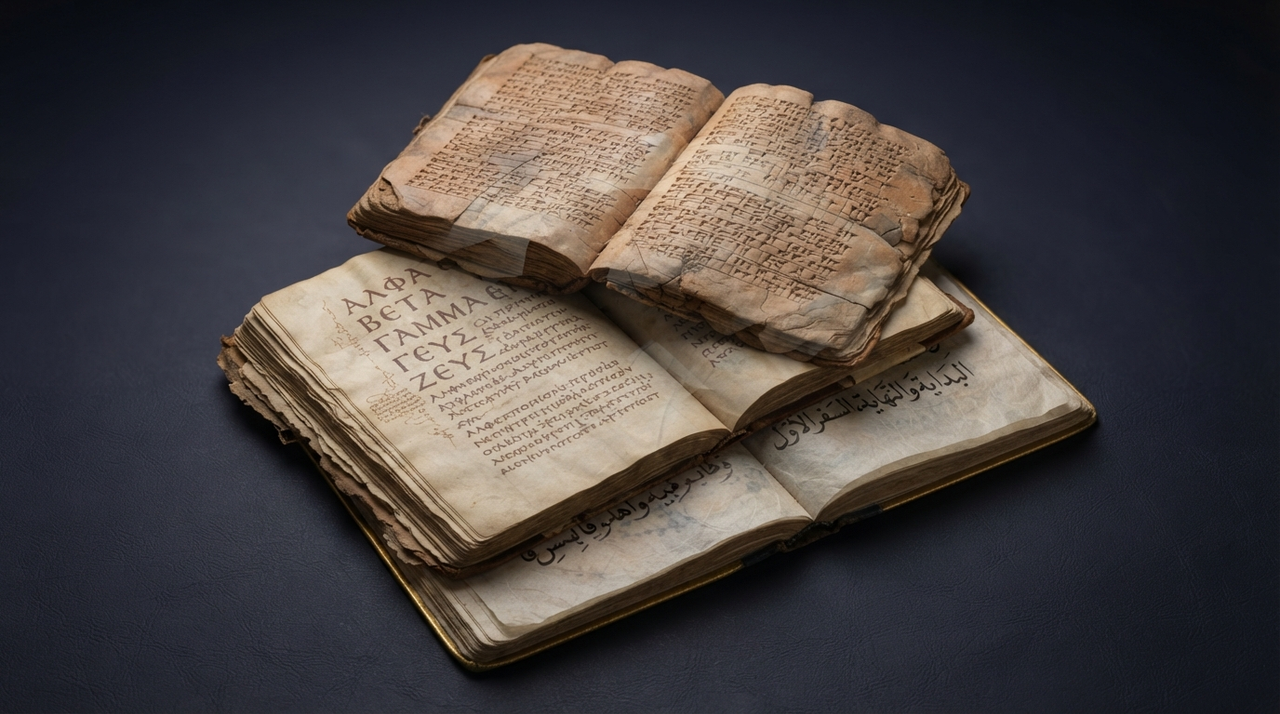
Epic of Gilgamesh Translations: From Ancient Origins to Modern Life and Septuagint Parallels
Picture this: a scholar in 19th-century Nineveh brushes dust from cuneiform tablets, revealing the desperate quest of Gilgamesh, king of Uruk, for immortality. That moment didn't just resurrect an ancient epic—it launched a translation history that echoes through millennia, reshaping stories for new worlds. In the realm of comparative mythology, the Epic of Gilgamesh translations offer a masterclass in how texts evolve, much like the Septuagint reshaped Hebrew scriptures for Greek-speaking Jews. A translated book isn't a mere echo; it's a new creation, pulsing with fresh life.
The Three Layers: Copy, Translation, Adaptation
To grasp reception history and textual afterlife, distinguish the layers. A copy replicates the original—think scribes etching Sumerian poems onto fresh clay, preserving words verbatim. Translation bridges languages, demanding choices: literal fidelity or fluid readability? Adaptation remolds the story for new audiences, blending adaptation vs translation.
Consider Homer's Iliad: ancient copies stayed Greek; Pope's 18th-century English version translated poetically; modern films adapt it into spectacle. Each layer breathes new purpose, turning static text into living dialogue across cultures.
Gilgamesh's Journey Through Translation History
The Epic of Gilgamesh began as five Sumerian poems around 2100 BCE, loose tales of heroism and hubris. By 1800 BCE, they fused into the Old Babylonian epic, a tighter narrative. The Standard Version, unearthed in Ashurbanipal's Nineveh library (7th century BCE), standardized 12 tablets in Akkadian, blending poetry and prose.
From Clay to Modernity: Key Translations
Rediscovered in the 1850s, George Smith's 1872 rendering gripped Victorian England. Later, Andrew George's 2003 edition restores fragmented lines with scholarly precision, while Benjamin Foster's 2001 version prioritizes poetic flow. Each translator—facing gaps in tablets—chooses: fill silences or leave them stark? These Epic of Gilgamesh translations aren't facsimiles; they're rebirths, influencing literature from Tolkien to sci-fi.
Septuagint Parallels: From Hebrew to Hellenistic Greek
Mirror this with the Septuagint, the Greek translation of the Hebrew Bible (3rd-2nd century BCE) in Alexandria. Commissioned for Egyptian Jews, it rendered Torah into Koine Greek, adapting idioms for a diaspora audience. Unlike rigid copies, translators navigated theology—parthenos for "virgin" sparked eternal debate.
This Septuagint paved vernacular paths: from Vulgate Latin to King James English. Function shifted—from ritual scroll to philosophical tool in Hellenistic schools.
Global Receptions: Arabic Wisdom and Latin Prestige
- Arabic House of Wisdom (Baghdad, 9th century): Scholars translated Gilgamesh fragments alongside Greek texts, recasting it as moral fable for Abbasid courts.
- Latin Middle Ages: Septuagint influences flowed via Jerome's Vulgate, evolving from monastic ritual to university prestige object.
Function morphed: school text for ethics, ritual anchor for faith, elite symbol of erudition. Translation history reveals no transparent vessel—each era inflects meaning.
Comparative Rules: Navigating Similarities and Differences
Cross-cultural comparison demands rigor. Name chronologies distinctly: Gilgamesh (Sumerian-Akkadian pathway) vs. Genesis (Hebrew-Septuagint). Track functions—epic quest vs. covenant history. Note differences: Utnapishtim's ark survives flood by divine whim; Noah's by obedience. Counterevidence abounds—no universal deluge myth.
Cross-Doors: Creation and Wisdom Motifs
Peer through "Cross-Doors": Gilgamesh's plant of youth parallels Eden's tree; Enkidu's wild-to-civilized arc evokes wisdom literature. Yet authority rests in contexts—avoid collapsing into sameness.
The Textual Afterlife: Your Open Inquiry
Translation isn't betrayal; it's genesis anew.
From ancient clay to your screen, these texts thrive in textual afterlife. Dive deeper: compare a George translation with Septuagint Genesis. What choices reveal about humanity's quest? Embrace open inquiry—let the epics challenge, not confirm, your world.