
Guarding the Gates: Public Health History from Venice Quarantine to London Cholera and Kerala's Health Boards
Imagine a bustling port city in 1423, ships gliding into harbor laden with spice and silk—and invisible peril. A single decree changes everything: passengers must wait 40 days on an island before stepping ashore. Health, once a private affair, turns collective. Who enters the gates? What flows in the water? Who tends the streets? This is the origin story of public health institutions, where cities wrestled with quarantine history, sanitary reform, and collective responsibility to protect the many from the few.
In this Aetheria Journal exploration for the Health Door, we trace public health history through three pivotal institutions: Venice's lazaretto islands, London's cholera-driven sanitary revolution, and Kerala's rural health boards. These aren't dusty relics; they're blueprints for how societies balance survival with freedom, revealing the power—and limits—of health institutions.
Defining Public Health Institutions
A public health institution emerges when a community formalizes oversight of shared risks: disease crossing borders, filth breeding fever, poverty fueling frailty. It's not just hospitals or officials; it's laws, maps, surveys, and enforced consent that transform individual ailments into civic threats. Rooted in place and period, these bodies measure mortality, map vulnerabilities, regulate access, and wield power over bodies and behaviors—all in service of the collective good.
From Venice lazaretto to London cholera battlegrounds and Kerala's village councils, they embody sanitary reform as civic infrastructure, echoing cross-Door themes: good neighbors in The First Laws, boundaries in Sacred Places, and water stewardship in Environment.
Three Pillars of Quarantine History and Sanitary Reform
Venice Lazaretto Islands: Quarantine's Island Fortress (1423 Onward)
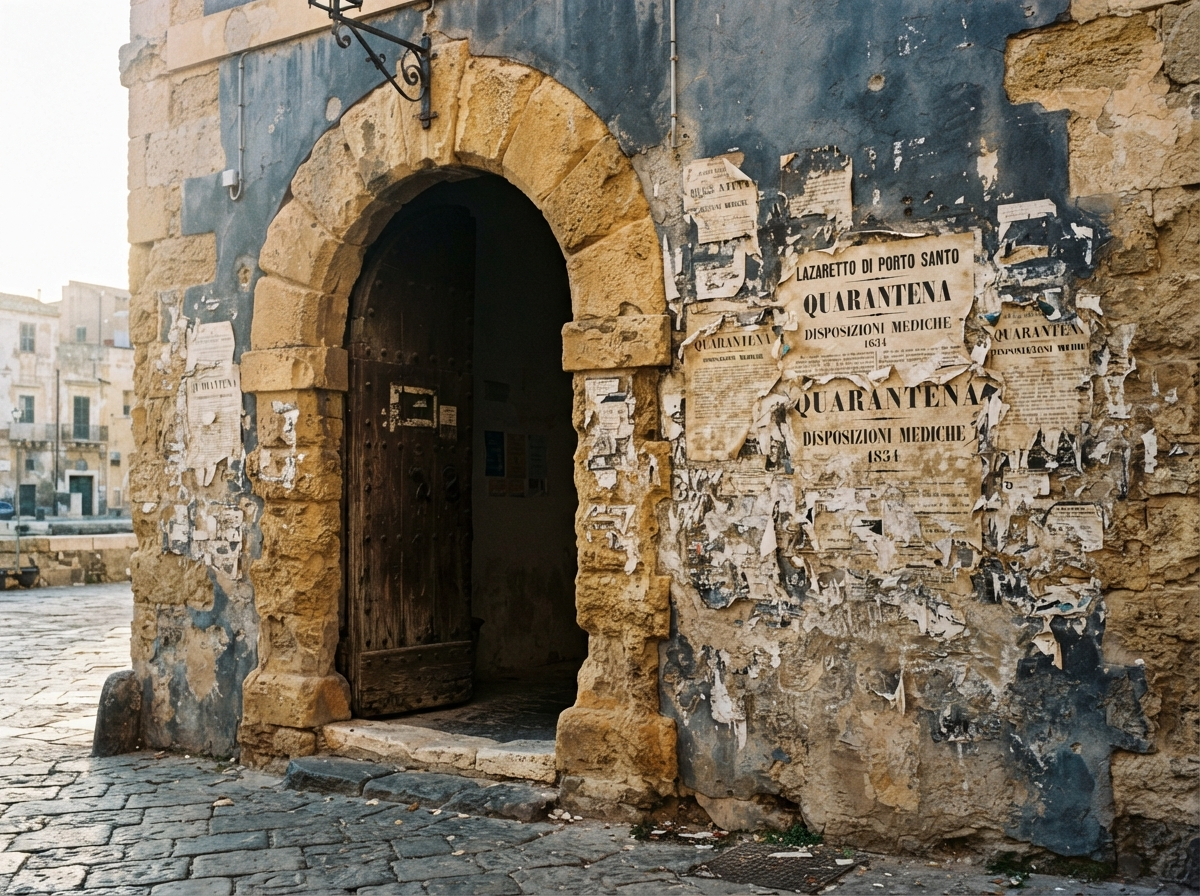
In Renaissance Venice, a maritime superpower, plague ships threatened trade. The lazaretto—named for Lazarus, the biblical leper—arose on lagoon islands like Santa Maria di Nazaret. Law: Senate decree of 1423 mandated 40-day isolation (quaranta giorni), birthing the term "quarantine." Measurements: Detailed ship manifests and mortality logs tracked infections. Access demanded consent: fumigation, laundering, or confinement. Power rested with the Health Magistracy, boarding vessels and burning goods, prioritizing port over persons.
London Cholera and the Metropolitan Board of Works: Sewers Against the Scourge (1850s)
Victorian London reeked of open sewers amid cholera waves peaking in 1854. John Snow's Broad Street pump map pinpointed waterborne spread, spurring sanitary reform. Institution: The 1855 Metropolis Management Act birthed the Metropolitan Board of Works. Measurements: Edwin Chadwick's mortality bills and Charles Booth's poverty maps quantified filth's toll. Access involved compulsory inspections; consent was thin—slum clearances displaced thousands. Power: Vast engineering, building 83 miles of sewers under Joseph Bazalgette, turning Thames from poison to lifeline.
Kerala's Rural Health Boards: Grassroots Guardians (Post-1950s)
In India's lush southwest, post-independence Kerala faced malaria and malnutrition in paddy fields. Period: 1957 Community Development Programme evolved into panchayat health boards. Law: Kerala Panchayat Raj Act empowered local councils. Measurements: Demographic surveys and house-to-house morbidity checks gauged village vitals. Access hinged on community consent—volunteer health workers knocked doors. Power: Decentralized, blending state funds with local resolve, slashing infant mortality through wells, vaccines, and education.
Balancing Collective Responsibility and Individual Liberty
Venice's lazaretto locked liberty for trade's sake; London's Board bulldozed homes for clean water. Kerala's boards invited buy-in, fostering trust. Each navigated ethical tensions: quarantine coerced isolation, sanitary reform overrode property rights, health boards negotiated cultural norms. Public health history shows collective good often trumps individual will—yet consent, maps, and data humanized the mandate, distinguishing policy from tyranny.
Archival Gaps: What Documents Reveal and Hide
Venetian logs tally deaths but mute island anguish. London's bills chart cholera curves, ignoring evicted voices. Kerala's surveys celebrate stats, sidelining women's unpaid labor. Archives reconstruct clinical evidence and policy but veil lived experience—ethical arguments emerge from these silences, urging historians to probe beyond numbers.
Echoes in Today's Health Institutions
Modern quarantines, water boards, and community health units inherit this legacy amid pandemics and climate flux. Authority persists, but uncertainty looms: global flows defy islands, data deluges demand trust, consent frays in polarized times. Public health history reminds us: gates guard, but humanity endures.
Reflective exercise: Pick a current public health notice—mask mandate or water advisory. Read it as a 15th-century decree: What gate does it guard? Whose consent does it seek? What gaps linger?