
History of Money: From Mesopotamian Debt Origins to Double-Entry Ledgers
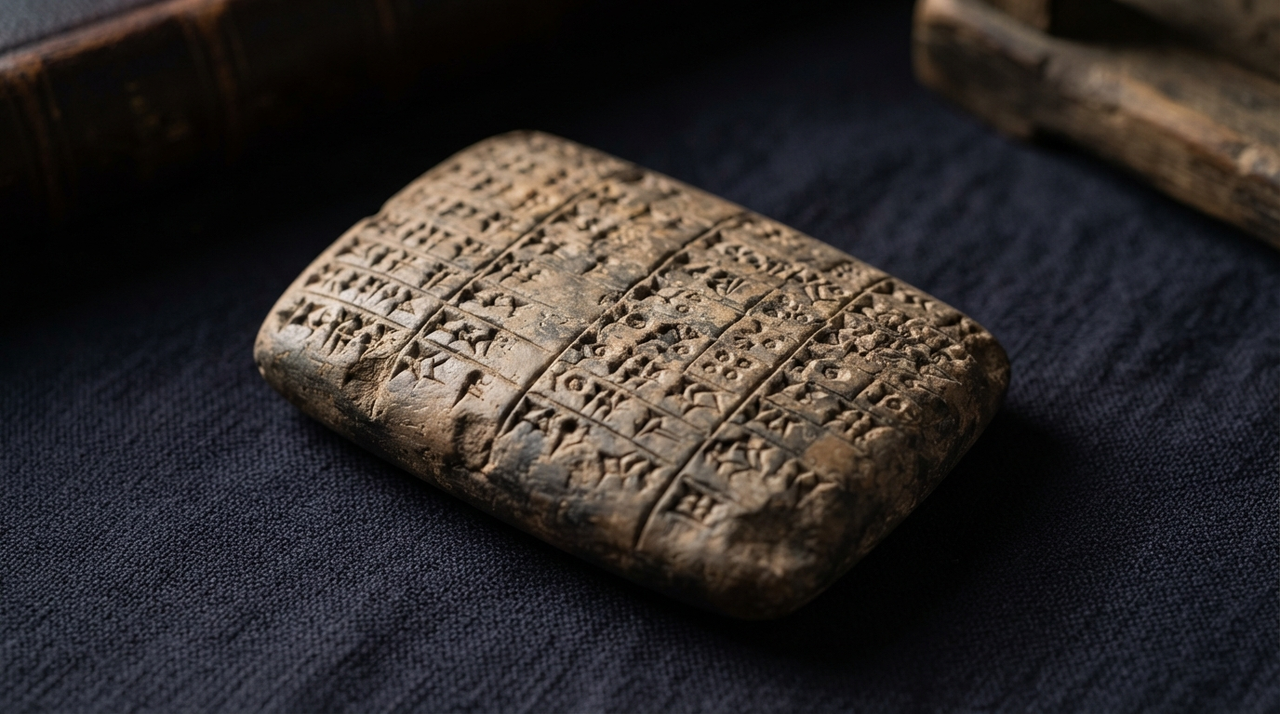
Picture a sun-baked Mesopotamian plain, where scribes hunch over damp clay tablets, etching wedges that capture not gold or silver, but promises—debts owed in barley, sheep, or labor. This isn't the clink of coins in a marketplace; it's the birth of money as memory technology, a ledger of human obligations stretching across time and trust. In Aetheria's Knowledge Library, we trace the history of money not as a timeless medium of exchange, but as an evolving tool for remembering what we owe each other. From debt origins in ancient Sumer to the precision of the double-entry ledger, this journey reveals Mesopotamian economics as the cradle of our financial world, inviting economic anthropology to question tidy myths of barter-to-barter.
Why does this matter? Money doesn't just facilitate trade; it encodes social bonds, power structures, and sacred duties. Archaeological clay shards from Shuruppak around 2600 BCE whisper of tallies before temples, while Ur III empire ledgers tally barley rations for thousands. Here, chartalism—the idea that money arises from state or temple debts—clashes with metallism's commodity dreams. Join us in the Seeker's Code: peel back layers, honor context, and wander the cosmic library where economics meets memory.
The Dawn of Debt: Mesopotamian Economics and Clay-Born Obligations
Our story begins in Sumer, around 3500 BCE, where writing emerges not for epic tales, but for accounting. Cuneiform on clay tablets from Uruk records allocations of grain and wool—proto-money as administrative memory. But true debt origins shine in Shuruppak's fragments, circa 2600 BCE. These pictographic lists aren't sales receipts; they're debt cancellations, or "clean slates," wiping obligations after harvests or royal decrees.
Shuruppak's Tallies: Before the Palace
Excavated in modern Iraq, Shuruppak's tablets (Fara period) show household-level debts in oil and barley. No coins yet—just notches symbolizing "owed to the temple" or kin. Economic anthropologists note this as virtual credit: money as a unit of account for obligations, not physical stuff. Counterevidence? Some see barter hints, but context screams debt: arid lands where grain stores bind communities.
Ur III Empire: The First Bureaucratic Ledger
Fast-forward to 2100–2000 BCE, Ur III's shale archives hold half a million tablets. Scribes tracked 40,000 workers' barley rations, temple offerings, and corvée labor. "Shekel" emerges as a weight unit for silver or barley equivalence—money as measure. Temples acted as banks, issuing loans at interest (usury baked in). Lived experience? A farmer borrows seed, repays with surplus; default means bondage. This Mesopotamian economics was temple-centric, not market-free-for-all.
In the shadow of ziggurats, clay captured eternity's debts—reminding us money's roots in reciprocity, not riches.
Egypt's Grain Banks: Sacred Storage and Centralized Trust
Across the Nile, pharaonic Egypt refined this. Temples hoarded grain in vast silos, functioning as grain banks from the Old Kingdom (c. 2700 BCE). Papyrus records show deposits earning interest, withdrawals in debens (copper-barley units). Pharaohs decreed debt amnesties, echoing Sumer. Local context: Flood-dependent agriculture made grain king; temples as divine vaults ensured stability.
No coins, but receipts circulated as currency. Chartalism thrives here: money as royal chit, redeemable in temple grain. Yet counterpoints exist—private estates ran parallel ledgers, hinting at decentralized trust.
Lydian Coinage: Metallism's Metallic Spark
Around 640 BCE, King Croesus of Lydia minted the first true coins—electrum stamped with lion heads. Why? Trade booms with Greece and Persia demanded portable wealth. Coins shifted paradigms: intrinsic value (metal) plus state guarantee. But was it revolution or evolution? History of money texts debate; Mesopotamian silver shekels circulated for millennia as bullion, not stamped.
Coins spread via Persian empires, Greek poleis, to China’s knife money. Yet in agrarian worlds, debt tallies persisted—coins for mercenaries, grain for peasants.
- Lydia: State monopoly on stamping builds trust.
- Achaemenid Persia: Darics (gold) for taxes, blending chartal and metal.
- Counterevidence: Roman lead seals on grain sacks mimic coin trust without metal.
Medieval Horizons: Islamic Hawala and the Flow of Trust
Leap to the Abbasid Caliphate (8th–13th centuries). Hawala, an informal value transfer, relied on coded notes and honor networks—no physical money crossed deserts. Merchants in Baghdad deposited dirhams; kin in Damascus paid out, settling later via caravan trade. Rooted in amanah (trust), it evaded Byzantine taxes and Mongol raids.
European echoes: Italian city-states like Venice issued government bonds (prestiti). Context matters—hawala thrived where formal banks faltered, proving money's social scaffold.
Florence's Double-Entry Ledger: Accounting's Renaissance
By 14th-century Tuscany, Florentine bankers like the Bardi and Peruzzi faced Mediterranean trade's chaos. Enter the double-entry ledger: every debit has a credit, balancing books like cosmic scales. Formalized by Luca Pacioli in 1494's Summa de Arithmetica, it debuted earlier in merchant manuals.
Why transformative? It made invisible flows visible—capital as abstract force. Medici banks lent to kings, birthing modern finance. Assumptions: literacy, paper (vs. clay), and probabilistic risks. Economic anthropology sees it as memory tech 2.0: ledgers as shared reality, preventing fraud.
- Debit: Goods sold.
- Credit: Cash received—balance eternal.
Chartalism vs. Metallism: Theoretical Fault Lines
Through this history of money, two models duel. Metallism posits commodity origins—value from scarcity. Chartalism counters: states/temples create money via debts (taxes payable in it). Evidence? Mesopotamian "clean slates" are chartal pur; Lydian coins metallist flair. Reality: hybrids. Economic anthropology urges pluralism—no universal market.
Cross-Doors in Aetheria's Cosmic Library
This tale links doors: Writing & Memory Door for cuneiform's script-birth; Sacred Places Door for ziggurat-temples; History Door for chronology's weave. Money as memory palace.
Reflections: What Debts Do We Carry?
From Sumerian shale to Florentine folios, money evolves as humanity's ledger—recording not just value, but vows. In our ledger age, amid crypto dreams and central bank balances, revisit origins: obligations precede objects. Seeker's Code whispers: question the universal market, honor local debts, explore further in Economics' vast stacks. What memory will you etch next?