
How Place Names Encode History, Power, and Identity: Linguistic Anthropology Revealed
Picture this: you're wandering the bustling streets of Istanbul, where the call to prayer mingles with the hum of modern life. The name itself—once Constantinople—carries the weight of Byzantine splendor, Ottoman triumph, and Turkish rebirth. This isn't mere labeling; it's linguistic anthropology in action. Place names are not static tags but dynamic archives of human drama, encoding history, power struggles, and deep-seated identity. In the anthropology of language, they reveal how communities claim, contest, and commemorate their worlds.
From ancient trails etched by indigenous tongues to colonial overlays scrubbed away in decolonization waves, place names whisper forgotten migrations and silenced voices. They bridge the anthropology of language with the tangible landscapes we inhabit, inviting us to decode the stories beneath our feet.
Unveiling History Through Place Names
Consider the rugged fjords of Aotearoa, the Māori name for New Zealand meaning "land of the long white cloud." European settlers rechristened it in 1642 after Dutch cartographer Abel Tasman, but Māori toponyms like Taupō (settling place on the lake) persist, layering pre-colonial narratives over imported ones. This interplay exemplifies linguistic anthropology, where place names preserve oral histories predating written records.
In the American Southwest, Tsebit'a'i in Navajo translates to "slender rock that sparks fire," describing a sacred butte now overlaid with English labels. These indigenous names encode environmental knowledge and spiritual cosmology, surviving despite centuries of erasure. The anthropology of language shows us that such terms aren't arbitrary; they map relationships between people and place, turning geography into genealogy.
Power in a Name: Conquest, Renaming, and Reclamation
From Empire to Erasure
Power dynamics shine brightest in renaming after conquest. In 1453, Ottoman forces captured Constantinople, transforming it into İstanbul—"to the city" in Turkish—symbolizing Islamic ascendancy over Christian legacy. This act of linguistic anthropology asserted dominance, much like Spanish colonizers in the Americas replaced Anáhuac (near the waters) with New Spain's grid of saints and monarchs.
Yet reclamation flips the script. Post-apartheid South Africa restored Mzansi, a Zulu/Xhosa term for "south," alongside Afrikaans and English on bilingual signs. In Canada, official bilingualism mandates French-English signage in Quebec, while efforts revive Inuktitut names in Nunavut, balancing federal power with indigenous sovereignty.
Person Names and Terms of Address Echo the Same
Beyond places, naming and identity extend to people. In hierarchical Korean society during the Joseon Dynasty (1392–1910), surnames like Kim denoted clan lineage, while honorifics in address encoded Confucian power structures. Today, such terms foster belonging or exclusion, mirroring place name battles.
Identity and Belonging: The Human Core of Naming
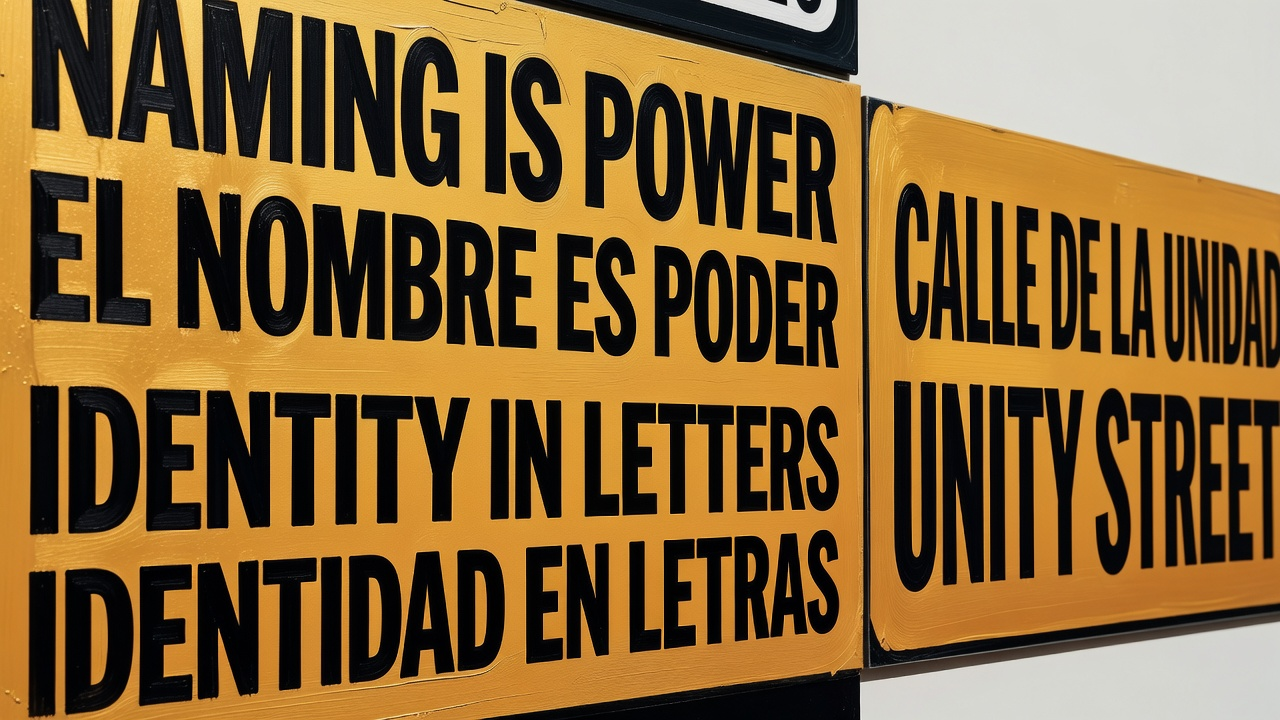
Place names forge identity by signaling who belongs. For Māori communities since the 1970s Waitangi Tribunal era, restoring Aoraki/Mount Cook—where Aoraki means cloud piercer—reasserts cultural continuity amid globalization. Bilingual signs in Welsh-speaking Wales, like Caerdydd/Cardiff, nurture linguistic revival, combating English hegemony.
Linguistic relativity, the idea from Edward Sapir and Benjamin Lee Whorf, suggests language shapes thought—but cautiously, without determinism. Navajo speakers' nuanced directional terms (no simple "left/right") influence spatial cognition, subtly tuning how they navigate sacred landscapes. This ties into naming and identity, where words don't dictate but color perception.
Sacred Places: Where Language Meets the Divine
Sacred sites amplify this encoding. Uluru, once Ayers Rock, reverts to its Pitjantjatjara name, honoring Anangu custodians' dreaming stories. As detailed in our explorations of Language and Sacred Places, these names invoke spiritual power, resisting commodification.
Decode Your World
Next time you pass a street sign, pause. Who named it? What conquest or kinship does it conceal? Dive into linguistic anthropology: research your local place name's origins—indigenous, colonial, contested? Uncover the anthropology of language etched in your backyard, and watch history unfold.