
Illuyanka Myth Unveiled: Tarhunna's Stormy Battle at Hattusa's Ancient Purulli Festival
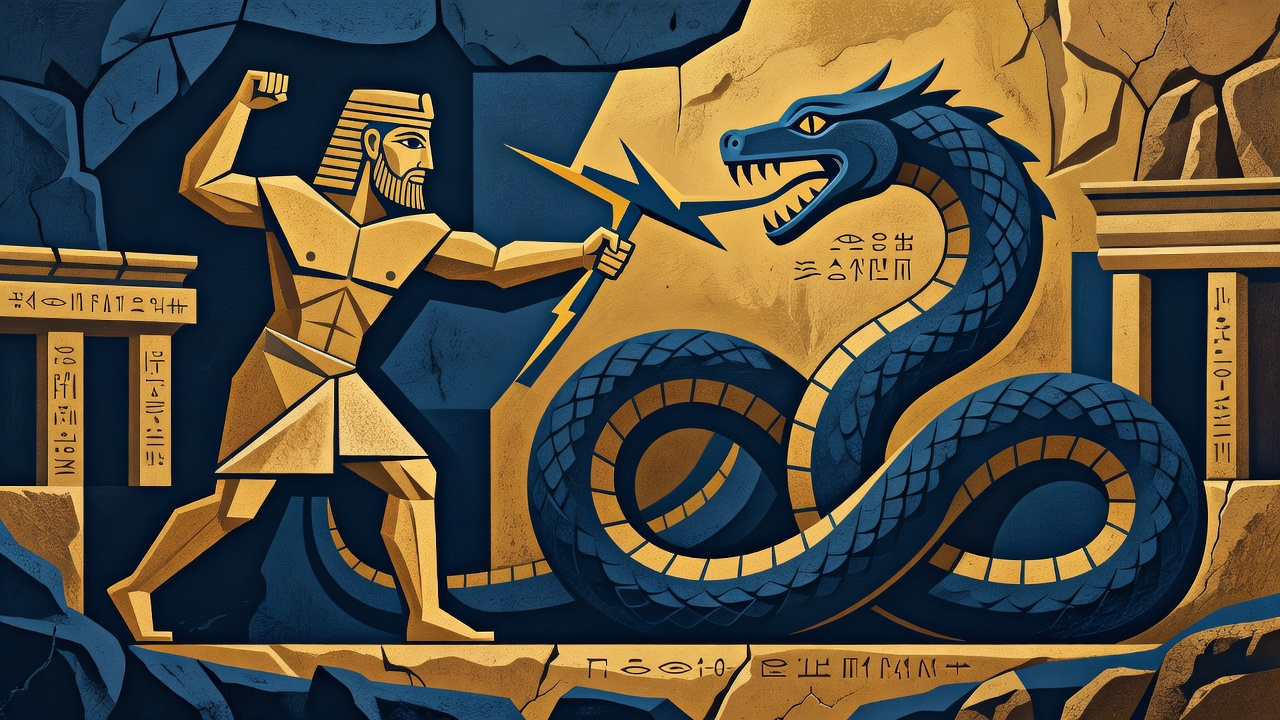
Picture this: thunder crashes over the rugged plateaus of central Anatolia, 3,400 years ago. In the shadow of Hattusa's towering gates, priests chant in the flickering torchlight of a vast temple complex. The air hums with anticipation as the Hittite storm god Tarhunna prepares for his epic clash with the monstrous serpent Illuyanka. This isn't mere legend—it's the heart of the Illuyanka myth, a ritual drama performed at the Purulli festival to awaken the earth from winter's grip.
Nestled in the archives of Boğazköy—modern-day Boğazkale, the ruins of ancient Hittite Hattusa—these stories survive on fragile cuneiform tablets. Dating to 1400-1200 BCE, they reveal a uniquely Hittite worldview, blending cosmic battle with seasonal renewal. For explorers of Hittite and Hurrian mythology, the Illuyanka myth offers a portal into a forgotten ritual world, far from generalized dragon-slaying tales.
Hattusa: The Hittite Capital Where Myths Came Alive
Hattusa stood as the beating heart of the Hittite Empire, a sprawling metropolis of over 30,000 souls perched on a rocky spur overlooking the Kızıl River valley. Its massive walls, some 8 kilometers long, enclosed grand palaces, storied temples, and granaries that sustained a Bronze Age superpower. But beyond stone and mortar, Hattusa pulsed with sacred life—especially during festivals like Purulli.
Excavations since the early 1900s have unearthed thousands of clay tablets from the royal archives. Written in Hittite cuneiform, a script adapted from Akkadian, these texts span myths, rituals, laws, and treaties. Among them, the Illuyanka myth emerges not as abstract poetry, but as a festival ritual text, scripted for live performance in Hittite Hattusa. The Purulli festival, held in early spring, transformed the city into a theater of the gods.
Boğazköy Archives: Guardians of the Illuyanka Myth
The tablets, baked hard by time and fire, detail the myth's two versions—both tied to cult practices. Discovered in the House on the Slope and the Grand Archive, they whisper of priests reciting lines amid offerings of bread, beer, and sheep. This wasn't entertainment; it was magic, meant to mirror the heavens and ensure the land's fertility.
The Purulli Festival: Cosmic Drama for Seasonal Renewal
Every spring, as snowmelt swelled the rivers, Hattusa erupted in the Purulli festival—a multi-day spectacle honoring Tarhunna, the storm god. Processions wound from the Lower City to the acropolis, where images of deities were bathed, clothed, and paraded. Amid music from lyres and drums, the Illuyanka myth unfolded, reenacting chaos and order to coax rain from parched skies.
The festival's function was clear: seasonal renewal. Winter droughts symbolized Illuyanka's dominance; spring storms heralded Tarhunna's victory. Rituals included symbolic combats, libations, and feasts, binding community to cosmos. In Hittite Hattusa, the Purulli festival wasn't optional—it was survival, etched in cuneiform as a sacred duty.
Ritual Stages of the Purulli Festival
- Priestly purification and deity invocations at dawn.
- Recitation of the Illuyanka myth in the Great Temple.
- Symbolic battle with effigies or actors portraying the serpent.
- Communal banquets celebrating Tarhunna's triumph and earth's rebirth.
Tarhunna the Storm God Versus Illuyanka: The Myth Unraveled
At the myth's core rages Tarhunna, wielder of lightning and lord of mountains, against Illuyanka—a coiling serpent of chaos, neither fire-breathing European dragon nor distant echo of others. In the first version, Illuyanka overpowers Tarhunna, devouring his heart and eyes. The gods despair until Inara, goddess of the wild, devises a ploy: she lures the serpent to a feast with mortal Hupasiya. Drunken and bloated, Illuyanka is slain, restoring Tarhunna's power.
The second tale twists darker: Tarhunna sires a son, Sarruma, who befriends Illuyanka's daughter. Through cunning marriage and plea, the youth retrieves the stolen organs. Revitalized, Tarhunna crushes his foe. These narratives, performed at the Purulli festival, blurred myth and rite, with priests embodying gods in Hittite Hattusa's sacred spaces.
As cuneiform fades into clay, the thunder of Tarhunna echoes—a reminder that in ancient rites, stories didn't just tell; they transformed.
Legacy of the Illuyanka Myth in Hittite Culture
The Illuyanka myth anchored Hittite theology, intertwining Hurrian influences with local cults. Tarhunna, akin to Hurrian Teshub, embodied the volatile weather gods revered across Anatolia. Yet in Hattusa, the Purulli festival localized this power, ensuring empire prosperity amid rivals like Egypt and Assyria.
Today, as Aetheria AI deciphers these tablets through advanced pattern recognition, the Illuyanka myth invites modern explorers deeper. What storms brew in your own seasonal cycles? Hattusa's echoes challenge us: in ritual's rhythm, renewal awaits—not through swords alone, but through stories that storm the soul.