
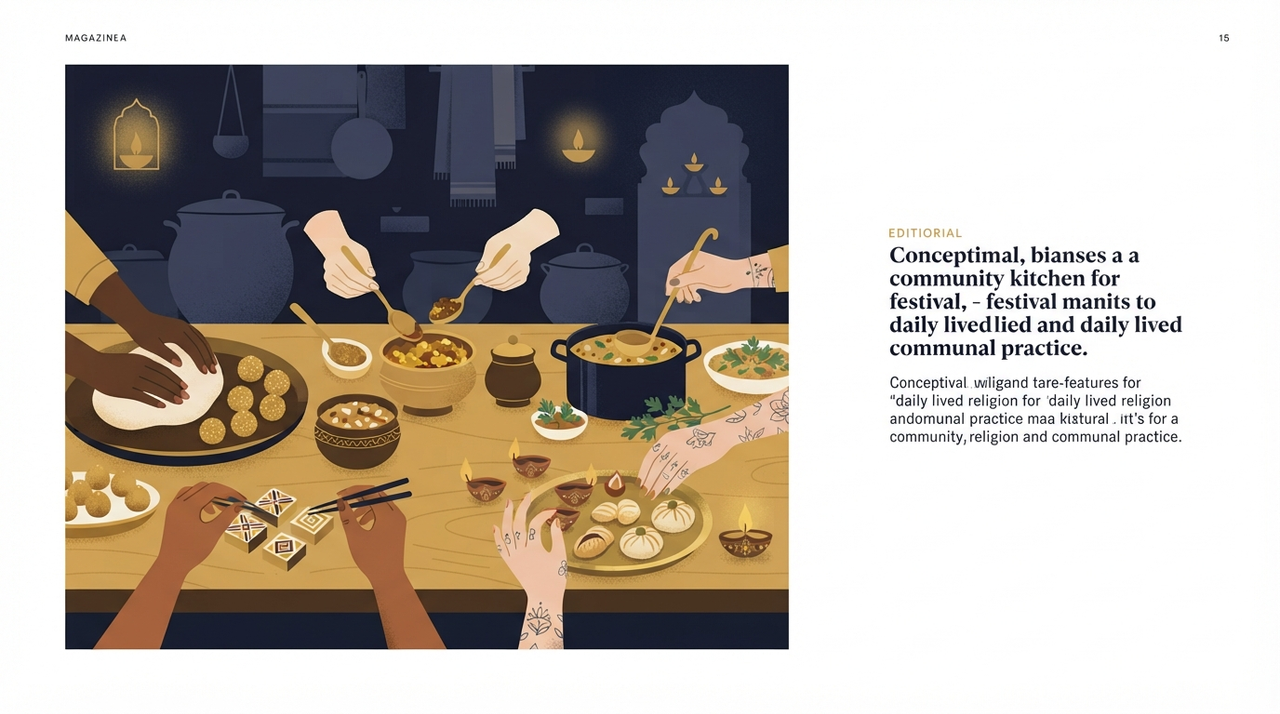
Lived Religion: Practices, Institutions, and Embodiment Beyond Private Belief
Picture a quiet dawn in Varanasi, where riverside steps echo with the rhythmic splash of bathers immersing themselves in the Ganges. No sermons ring out, no doctrines debated—only bodies in motion, hands cupped in offering, voices murmuring ancient invocations. This is lived religion at its core: not abstract creeds tucked away in private minds, but vibrant practices woven into the pulse of daily existence. For students of existence, seekers navigating the cosmic library of human experience, shifting to this practice-first lens unlocks doors long obscured by a focus on belief alone.
Why does it matter? In a world quick to reduce religion to personal faith or doctrinal disputes, examining religious practice reveals the raw, embodied reality. It distinguishes textual ideals from ethnographic snapshots of real lives, institutional histories from individual interpretations. Internal diversity blooms—traditions evolve, splinter, adapt across eras and locales—challenging any singular narrative.
Layers of Lived Religion: Texts, Observations, History, and Interpretation
Lived religion emerges at the intersection of sacred texts and sweaty palms turning prayer beads. Ethnographers capture it in field notes: the Friday prayer lines snaking through a Jakarta mosque, or Sabbath candles flickering in Brooklyn apartments. Institutional histories anchor these moments—centuries of communal rituals codified, contested, renewed.
Yet personal interpretation adds the spark. A practice might stem from scripture, but its daily religion unfolds through choice: a hurried office worker skipping formal rites for a whispered mantra, or elders debating adaptations amid modern upheavals. This multiplicity defies stasis; what holds in one generation shifts in the next, as global migrations and technologies reshape embodiment.
Concrete Threads: Religious Practice Across Traditions
Judaism's Halakha and Minhag: Law Meets Local Custom
In Judaism, halakha—the intricate web of Jewish law—provides the scaffold for religious practice. But minhag, cherished local customs, breathes life into it. Ashkenazi Jews might savor gefilte fish on holidays, while Sephardim spice their rituals differently. These embodied habits, passed through families and synagogues, evolve yet endure.
Islam's Ibadat and Adab: Worship and Everyday Etiquette
Muslim ibadat encompasses obligatory worship like salah prayers five times daily, faces turned toward Mecca. Adab, refined manners and ethics, infuses daily religion: greeting with 'assalamu alaikum,' modest dress, or halal meals shared in community iftars. Observers note variations—from Sufi whirling dervishes to urban salat apps aiding the rhythm of modern embodiment.
Hindu Puja and Seva: Devotion and Service
Hindu traditions pulse with puja—elaborate home altars blooming with flowers, incense curling skyward to deities. Seva, selfless service, grounds it: feeding the poor at temples or volunteering in village cleanups. In diaspora communities, these practices adapt, blending with local flavors while honoring ancestral embodiment.
Buddhist Metta and Dana: Loving-Kindness and Generosity
Buddhism's metta meditation cultivates compassion through breath and visualization, while dana—giving alms to monks—fosters detachment. In Thai forests or American meditation centers, these daily religion anchors reveal shifts: vipassana retreats now global, embodying timeless insights amid contemporary stress.
Christian Parish Life and Confraternities: Community Bonds
Christianity thrives in parish life—weekly Eucharist, Bible studies, potlucks forging bonds. Historic confraternities, like those in medieval Europe caring for the sick, persist in Latin American fiestas or African prayer groups, their rituals a tapestry of faith embodied in collective action.
Religious Institutions: Guardians of Memory and Practice
Temples trusts in India manage endowments for puja continuity; Islamic waqf properties fund mosques and schools across centuries. Buddhist sangha councils ordain monks, preserving vinaya discipline. Christian dioceses oversee parishes, adapting ancient liturgies to new contexts. These religious institutions don't just house practices—they carry collective memory, negotiating change while rooting communities in shared embodiment.
Embodiment in Daily Religion: A Seeker's Invitation
Lived religion insists on embodiment: knees bent in prostration, hands clasped in prayer, feet tracing pilgrimage paths. It's daily religion—messy, adaptive, profoundly human. In the Aetheria Journal's cosmic library, this lens bridges to Anthropology's fieldwork thick descriptions and The Great Journey's quest for universal patterns amid diversity.
Reflect: What daily practice in your life echoes these ancient rhythms? Journal one embodied ritual you've observed or enacted, noting its institutional roots and personal resonance.
Here, in the Seeker's Code, we honor the universe's vast archive—not to compare, but to understand.