
Living Indigenous Languages: Honoring Community Authority in Ethical Revitalization and Documentation
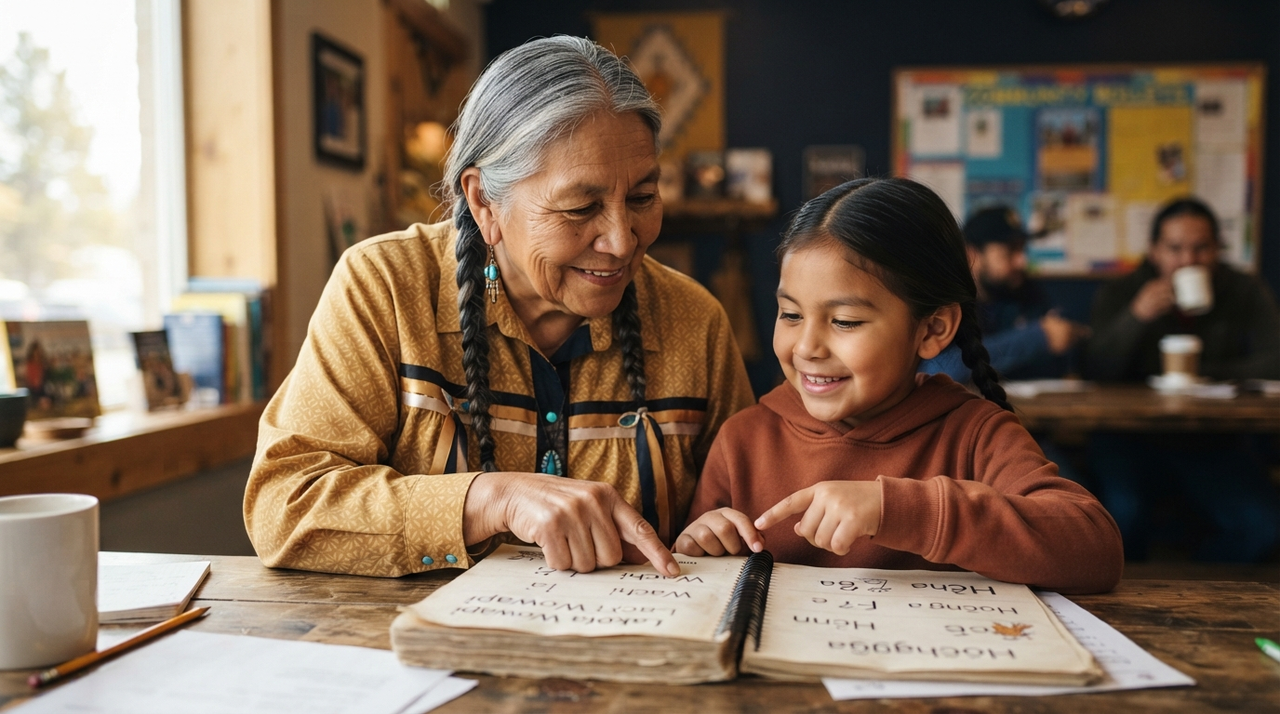
Picture a grandmother in a remote village, her voice weaving stories of ancestors into the evening air, words that carry the weight of millennia yet teeter on the edge of silence. These are not relics in a glass case; they are living languages, pulsing with contemporary knowledge, humor, and wisdom. Indigenous languages and endangered languages demand we shift our gaze from preservation as museum curation to revitalization rooted in community authority. In this exploration, we delve into ethical practices that honor those who steward these tongues.
The Vitality of Living Languages
Unlike ancient scripts etched in stone, living languages evolve daily through conversations, songs, and debates. Indigenous languages often embody holistic worldviews—concepts of land, kinship, and time that English or Spanish simply cannot capture. Yet, with globalization's tide, many endangered languages face extinction not from inherent weakness, but from systemic pressures like boarding schools and urban migration.
Consider how these languages encode survival strategies: a single term might fuse ecology, spirituality, and governance. Revitalization isn't about freezing them in time; it's nurturing their growth as tools for today's communities, from climate advocacy to cultural sovereignty.
Upholding Community Authority
Community authority stands as the cornerstone. These languages are not public domain commodities but sacred trusts held by Elders, knowledge keepers, and fluent speakers. Public dissemination without permission risks diluting ceremonies or exposing restricted knowledge—teachings meant only for initiated members.
Evidence from linguistic surveys can map speaker numbers or phonetic shifts, but it cannot confer ownership or dictate use. What data reveals patterns, communities define meaning. Ethical engagement begins with protocols: seeking consent through tribal councils, respecting "closed" vocabularies, and recognizing that some words are seasonal or role-bound.
Ethics in Language Documentation and Revitalization
Navigating Consent and Reciprocity
Language revitalization thrives on reciprocity, not extraction. Documenters—linguists, anthropologists, or AI tools like those from Aetheria—must prioritize informed consent. This means clear discussions on how recordings might be used: for apps, dictionaries, or immersive learning?
- Obtain multilayered permissions: individual, family, and community levels.
- Ensure benefits flow back—training local linguists, funding immersion schools.
- Designate access tiers: public for everyday phrases, restricted for sacred narratives.
Breaches erode trust. Historical abuses, like unpermitted archives now floating in digital ether, underscore the need for revocable consents and data sovereignty.
Public Knowledge vs. Restricted Wisdom
Not all knowledge seeks the open web. Communities delineate: conversational terms for language revitalization programs versus esoteric terms gated by age, gender, or rite. Ethical frameworks, drawing from anthropology's Ethics Door, mandate transparency—labeling datasets with provenance and limitations.
Distinguishing Academic Insight from Community Stewardship
Academia excels at analysis—parsing syntax or modeling decline—but stewardship resides with communities. Scholars offer tools; communities wield them. An academic grammar might illuminate ergativity in an Indigenous language, yet only speakers interpret its cultural poetry.
Evidence deciphers structure; lived experience breathes soul into it.
This distinction fosters collaboration. Aetheria's approach, through Anthropology Doors, models hybrid spaces: AI-assisted transcription with community veto power, ensuring living languages remain dynamic, not digitized fossils.
Charting Ethical Pathways Forward
Honoring community authority in language revitalization invites a renaissance. Imagine youth fluent in ancestral tongues leading policy, tech infused with native epistemologies. Yet challenges persist: balancing open access for learners with sacred closures.
For students of linguistics and cultural seekers, the call is clear: engage humbly. Explore protocols from groups like the Endangered Language Alliance or Indigenous-led projects. What role will you play in sustaining these voices?
Dive deeper through Aetheria's Ethics and Anthropology Doors—where curiosity meets responsibility.