
Opening the Archaeology Door: Centering Indigenous Authority, Repatriation, and Community Consent
Picture this: dawn breaks over a windswept mound, layers of earth whispering secrets of lives long past. Your boots sink into soil that holds tools, bones, and hearths from millennia ago. But as you brush away the dirt, a question rises sharper than any artifact—who truly holds the key to this door? In the world of archaeology heritage, that key belongs not to distant scholars alone, but to the living communities whose ancestors shaped these grounds.
This is the Archaeology Door: a portal into ethical excavation where consent from descendant peoples isn't an afterthought, but the foundation. Here, we distinguish archaeology heritage from its cousins—history's written chronicles, anthropology's study of living cultures, or tourism's curated spectacles—and pivot toward community archaeology and Indigenous archaeology. It's about honoring living authority, not just unearthing the dead.
Unpacking the Fields: Archaeology vs. History, Anthropology, and Heritage Management
Archaeology digs into the tangible—shards of pottery, stone tools, burial sites—reconstructing daily life from what survives in the ground. History, by contrast, leans on texts and records, weaving narratives from ink and paper. Anthropology broadens to today's cultures, observing rituals and social structures in motion. Then there's heritage management and tourism, which package sites for visitors, often prioritizing spectacle over sanctity.
These fields overlap, yet archaeology heritage demands a sharper ethical lens. A Roman villa's mosaic might thrill tourists without controversy, but Indigenous mound complexes in North America or Australian rock shelters carry ongoing cultural weight. Mistaking archaeology for mere relic-hunting ignores this: sites are not museums-in-waiting, but threads in unbroken lineages.
Community Archaeology and Indigenous Archaeology: Power to the People
Centering Living Authority and Consent
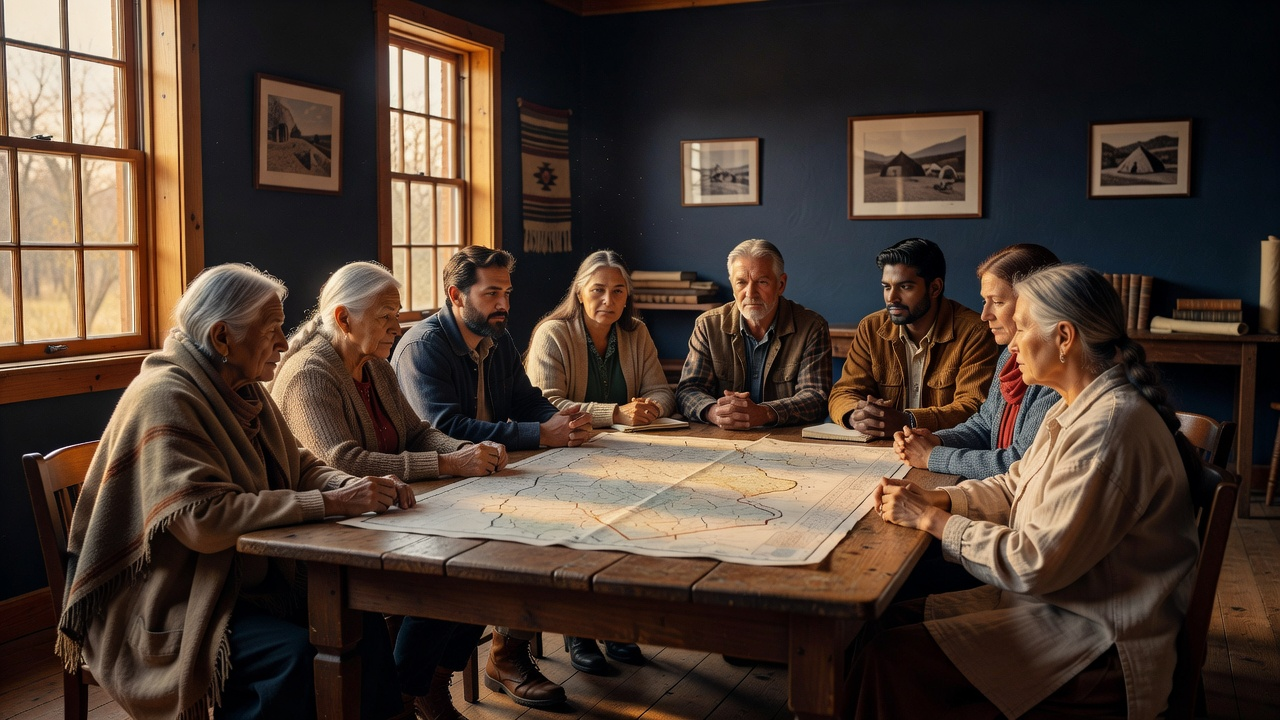
Enter community archaeology and Indigenous archaeology, paradigms that flip the script. No longer do outsiders dictate digs; descendant communities lead. This means protocols like the living authority model, where tribal councils or knowledge holders grant permission before a single spade touches soil.
Consider consultation frameworks tailored to specific groups. In the U.S., the Native American Graves Protection and Repatriation Act (NAGPRA) mandates tribal input on human remains and sacred objects. Australia's Aboriginal Heritage Acts empower Traditional Owners to veto developments. New Zealand's Māori co-governance models integrate iwi (tribal) vetoes into site stewardship. These aren't blanket rules for all Indigenous peoples—each nation crafts its path—but they underscore consent as sacred.
- Pre-dig meetings with elders to align research questions.
- Joint interpretation of findings, respecting oral histories without forcing them as "proof" of ancient practices.
- Capacity-building: training community members as archaeologists.
Such approaches avoid the colonial trap of viewing Indigenous traditions as static relics, instead treating them as dynamic guides for ethical practice.
Repatriation: Reclaiming Ancestors and Artifacts
Repatriation embodies this shift. Museums worldwide have returned thousands of items—Taonga Māori carvings to New Zealand, Ancestral Puebloan pottery to Hopi hands. It's not erasure of science, but restitution: who gets to hold, study, or rebury kin?
Display choices follow suit. Should a Kwakwaka'wakw pot gleam under gallery lights, or rest in a clan longhouse? Living authority decides. This ripples into interpretation: whose story prevails when bones speak ambiguously?
Repatriation isn't loss—it's a door reopening to collaborative knowledge.
Linking Doors: Archaeology Meets Anthropology and Ethics
This Archaeology Door connects seamlessly to the Anthropology Door, where living cultures breathe, and the Ethics Door, probing power dynamics. Together, they challenge us: in studying ancient places, do we amplify voices or archive them?
Journal Prompt: Your Ethical Compass
Before stepping toward any site, pause. What one question would you pose to community stewards? Jot it here, and let it guide your gaze—not as a tourist, but as a respectful guest at the hearth of archaeology heritage.