
Oral History Methodology: Memory vs. Archive in SNCC Civil Rights Interviews from Mississippi (1954-1970)
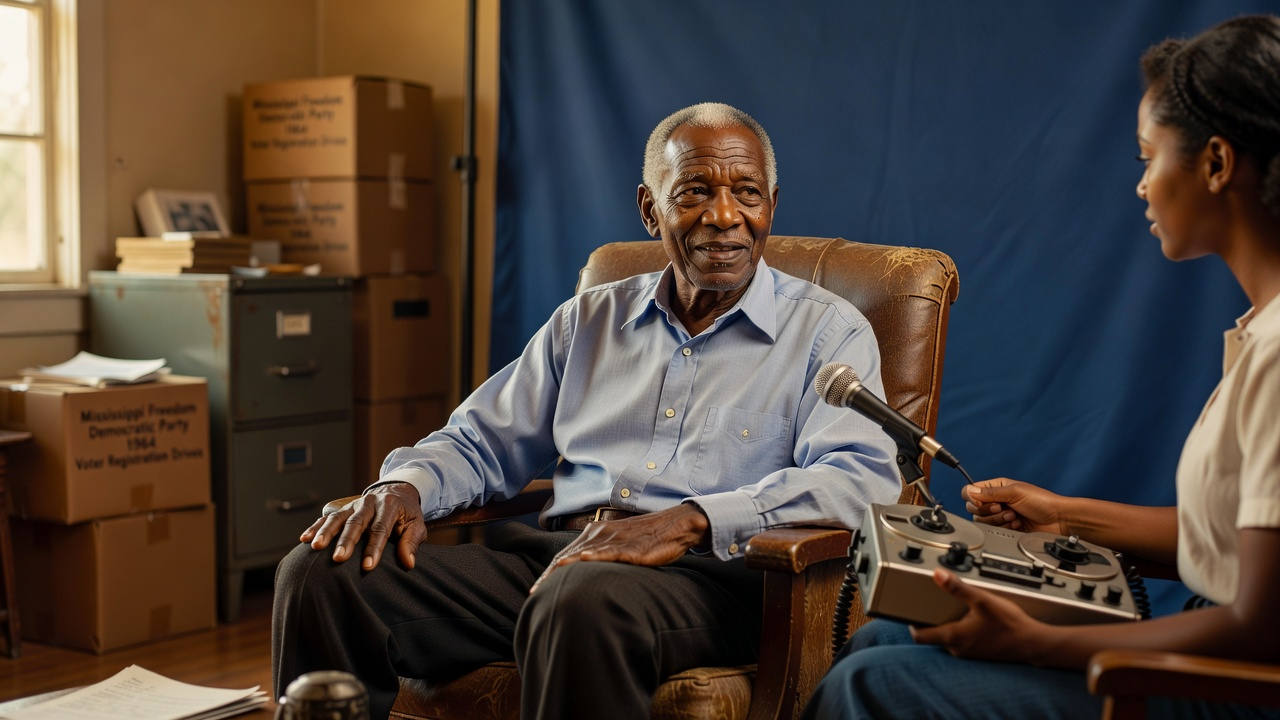
Picture a humid Mississippi evening in the 1960s, cicadas humming as a young SNCC field secretary slips through backroads, dodging nightriders to register voters under Freedom Summer's urgent call. Decades later, that same voice—now weathered by time—recounts the terror and triumph in a quiet interview room. This is the power of oral history methodology: capturing lived experience where archives fall silent. Yet herein lies the crux: how do we honor memory vs. archive in civil rights interviews, particularly those from SNCC's Mississippi frontlines between 1954 and 1970? For researchers delving into SNCC history, the answer demands nuance, not reduction.
These interviews, often structured as life reviews with former field secretaries, reveal memory's subjective pulse as a methodological asset, not flaw. Transcripts may differ starkly from recalled events, yet this divergence enriches our understanding. Let's unpack this terrain.
SNCC History in Mississippi: The Crucible of Civil Rights
From the 1954 Brown v. Board decision to the 1965 Voting Rights Act and beyond, Mississippi epitomized Southern resistance. SNCC—Student Nonviolent Coordinating Committee—dispatched field secretaries into this maelstrom, organizing sharecroppers, students, and citizens amid lynchings, beatings, and church burnings. Projects like the 1964 Freedom Summer mobilized hundreds, unearthing voter suppression's raw toll.
Oral histories from these narrators aren't mere recollections; they're portals to SNCC history's grassroots ferocity. Unlike sterile archives of court rulings or newsletters, they pulse with the fear of a midnight raid or the defiance of a mock election. Place-specific details—Delta cotton fields, Jackson's steamy streets—anchor these tales, demanding methodologies that preserve their grit.
Core Principles of Oral History Methodology
The Life Review Method: Chronological Depth
In oral history methodology, the life review stands central for civil rights interviews. Interviewers guide narrators through their chronology—from pre-SNCC awakenings to post-1970 reflections—eliciting layered responses. This isn't rote questioning; it's a collaborative excavation, where the field secretary's arc from novice to veteran unfolds organically.
Mississippi's specificity sharpens this: narrators evoke Neshoba County's murders or Greenwood's citizenship schools, blending personal agency with collective struggle. Subjectivity emerges not as bias, but strength—memory's selective lens illuminates motivations archives obscure.
Memory vs. Archive: A Methodological Fault Line
Archives offer artifacts—FBI reports, SNCC memos—fixed and verifiable. Memory, however, breathes: elastic, emotive, infused with hindsight. In SNCC civil rights interviews, a narrator might conflate a 1963 rally with 1964's violence, yet this fusion conveys trauma's enduring weight, absent from paper trails.
Distinguishing memory and archive prevents flattening: don't shoehorn oral accounts into documentary molds. Instead, triangulate—cross-reference with photos, letters—while valuing memory's interpretive power. Transcripts capture words, but the living voice conveys pauses, inflections, tears: the unarchivable essence.
Subjectivity as Strength: Ethics and Consent in Practice
Navigating Transcripts' Limitations
Transcripts inevitably diverge from memory's fluidity—editing for clarity severs rhythms, anonymizing pain. Ethical oral history methodology mandates ongoing consent: narrators approve releases, revisions, even vetoes. In Mississippi SNCC cases, this honors vulnerability; field secretaries relive perils, demanding agency over their legacies.
Subjectivity bolsters rigor: multiple narrators' variances reveal consensus on core events, like the Mississippi Freedom Democratic Party's challenge, while personal hues enrich the mosaic.
Living Authority: Parallels to Religious Testimony
SNCC's moral fire drew from Black church traditions, where testimony confers living authority. Oral histories echo this: the field secretary as witness-prophet, memory trumping archive's cold detachment. Unlike static texts, these narratives evolve—retellings refine truths, mirroring religious exegesis.
For researchers, this connection elevates oral history methodology: treat interviews as sacred trusts, amplifying voices archives mute.
Charting the Path Forward
In probing SNCC's Mississippi saga through civil rights interviews, embrace memory vs. archive as dialectic, not duel. Life review unveils subjectivity's gifts; ethical consent safeguards dignity. As archives digitize and AI parses patterns, the human voice endures—raw, resilient, revelatory.
Researchers, step into that humid evening. Listen closely. The Delta's echoes still demand their due.