
Philosophy as a Way of Life: Pierre Hadot on Spiritual Exercises, Askesis, and Stoic Practices
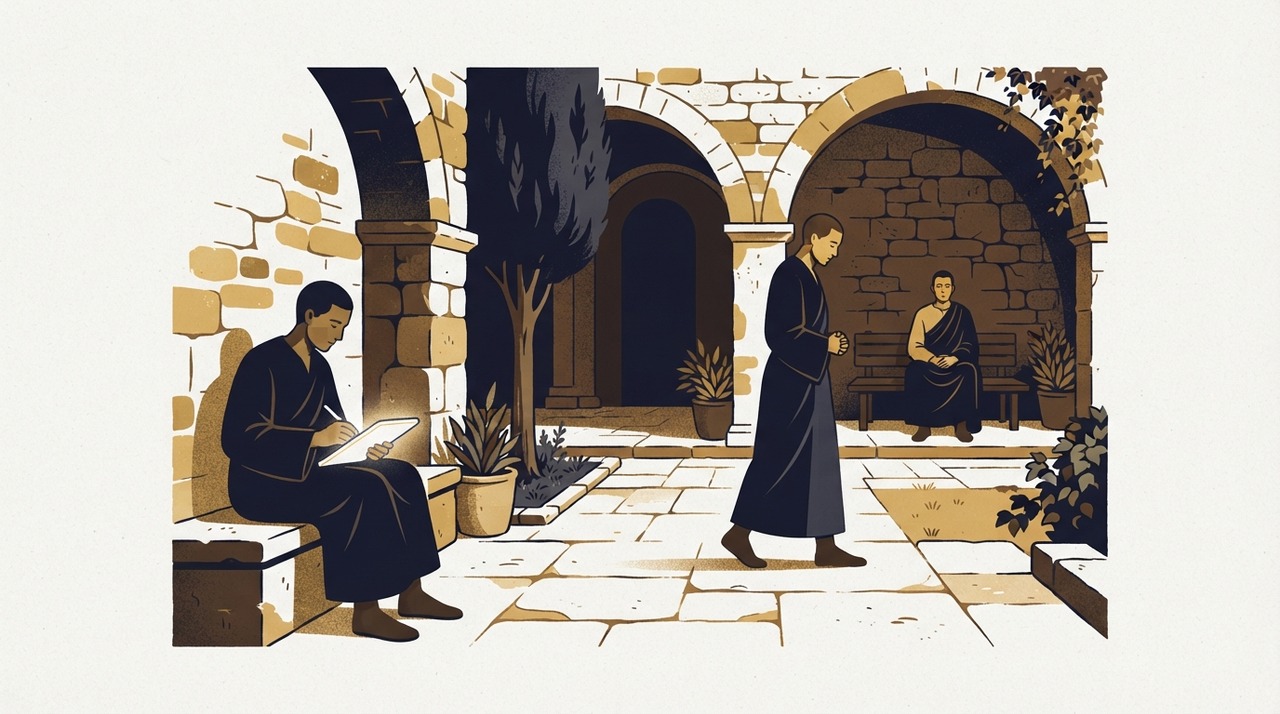
Picture a quiet corner of the ancient world, where a thinker pauses amid the bustle of Athens or Rome, not to debate abstract ideas, but to reshape his very gaze on existence. This scene captures the heart of Pierre Hadot's insight into philosophy as a way of life. Hadot, a French historian of philosophy, reframed our understanding of ancient thinkers. He showed that their doctrines were inseparable from concrete practices—what he termed spiritual exercises. These were not vague inspirations but disciplined methods, rooted in specific historical contexts.
Hadot's work invites us to encounter these traditions on their own terms. For readers drawn to the Aetheria Personal Growth Door, this means exploring spiritual exercises Hadot uncovered, without folding them into contemporary wellness routines. Ancient philosophy demanded commitment within its cultural bounds, distinct from religious rites or modern therapies.
Hadot's Rediscovery of Philosophy's Practical Core
In books like Philosophy as a Way of Life and What is Ancient Philosophy?, Hadot argued that from Socrates to Plotinus, philosophy was a lived discipline. Thinkers formed schools—the Academy, the Lyceum, the Porch—where students engaged in exercises to attain wisdom. Theory served practice; doctrines were tools for personal transformation within a shared community.
This view challenges the modern image of philosophy as detached speculation. Hadot traced how Renaissance humanists first glimpsed this, but systematic study waited until the twentieth century. His analysis rests on primary texts: Epictetus's discourses, Seneca's letters, Marcus Aurelius's meditations. These reveal philosophy not as a system to master intellectually, but as ongoing training amid life's uncertainties.
Askesis: The Discipline of Ancient Philosophical Training
From Athletic Preparation to Inner Work
Askesis, from the Greek for exercise or training, originally described athletes honing their bodies for competition. Philosophers adapted it for the soul. Hadot highlights how this term spans traditions, yet each school gave it distinct shape. For Platonists, askesis involved dialectic to ascend from shadows to Forms. Aristotelians practiced moderation in habits, observing virtues in daily choices.
In Hellenistic schools, askesis intensified. Cynics like Diogenes embraced voluntary discomfort to detach from desires. Epicureans cultivated gratitude through simple gatherings, recalling past joys. These practices were historically situated, tied to their era's social structures and debates.
- Plato's cave allegory as a call to intellectual ascent via dialogue.
- Aristotle's ethical mean, tested in real decisions.
- Cynic exposure to elements, rejecting societal norms.
Stoic Practice History: Exercises in Concrete Detail
Hypomnemata and the Art of Self-Examination
Stoicism offers Hadot's richest examples of Stoic practice history. Central was the hypomnemata—notebooks of reflections. Marcus Aurelius filled his with reminders: control what you can, accept the rest. Seneca advised evening reviews: what went well, what to improve. Epictetus urged constant self-scrutiny during roles as parent, citizen, friend.
View from Above and Premeditation of Evils
Other exercises reshaped perception. The view from above invited imagining one's life from cosmic heights, shrinking petty worries. Premeditatio malorum rehearsed hardships, building equanimity. These were not solitary; Stoics discussed them in communities, refining through dialogue.
Hadot stresses their historical limits. Roman Stoics navigated empire's demands—slavery, politics, mortality. Practices addressed those realities, not timeless formulas.
Bounded Comparisons Across Traditions
Hadot's lens reveals parallels without erasing differences. Stoic askesis echoes Buddhist sila (ethical precepts) and meditation, both demanding communal support in ancient monasteries. Christian desert fathers adapted philosophical exercises into prayer and fasting. Confucian self-cultivation, via ritual and reflection, shares the aim of harmony, yet roots in familial duties.
These traditions invite bounded comparisons: each exercise serves its worldview, shaped by history and community.
Distinct from modern psychology's therapeutic models, they emphasize agency within limits. Consent matters; no path suits all.
Echoes in the Aetheria Personal Growth Door
At the Aetheria Personal Growth Door, Hadot's scholarship bridges philosophy, ethics, spirituality, and religion. Growth emerges reflectively, in relation to others, amid uncertainty. If a spiritual exercise from Stoic practice history draws you—say, an evening review—approach it with its original aim: alignment with nature's order. Note the context; observe without judgment. Community sharpens such efforts; solitude tests them.
Philosophy as a way of life persists not as a blueprint, but as a question: How might ancient disciplines, viewed historically, inform our reflective paths today?