
Ritual Anthropology: Rites as Social Action Making Relations and Commitments Visible
Picture a dimming Friday twilight in a Jerusalem home, or perhaps a New York brownstone. The clink of wine glasses halts mid-air. Eyes close as palms hover over twin flames, murmuring ancient Hebrew blessings. This is Shabbat's arrival—not a quaint custom, but a profound rite as practice in ritual anthropology. Here, unseen threads of family, community, and covenant weave into tangible form. What if every gesture in such moments broadcasts our deepest social bonds?
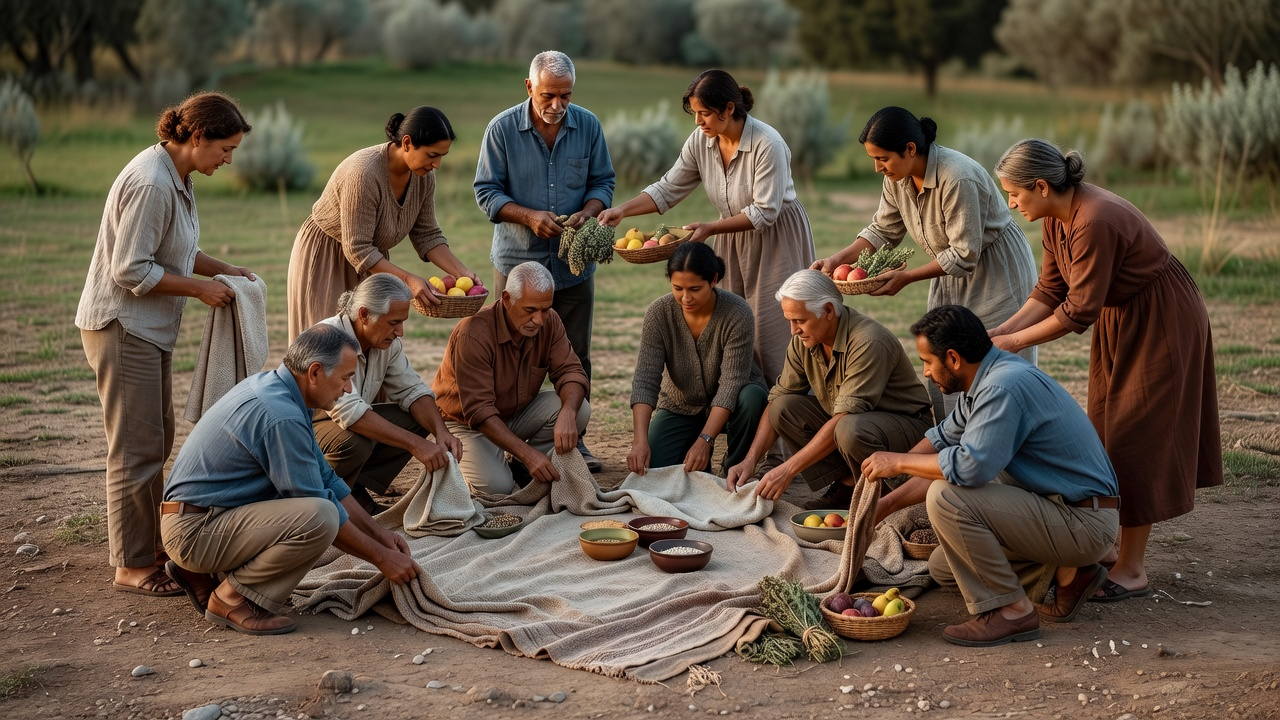
In the realm of anthropology of religion, rituals transcend superstition or vague spirituality. They emerge as social action: deliberate performances that render relations and commitments visible, binding participants in shared reality. Forget dusty folklore; these are living practices, pulsing with contestation and authority from within communities themselves.
Unveiling Ritual Anthropology: Beyond Symbols to Social Fabric
Ritual anthropology probes how rites structure society, not as static relics but dynamic enactments. Pioneering thinkers have long noted rituals' power to condense social life into visible drama—think of a wedding vow etching lifelong pledges or a funeral procession mapping kinship lines. Yet the crux lies in distinguishing participant experience from outsider gaze.
For the observer, a rite might decode as symbolic code: bread breaking signals solidarity. But participants inhabit it differently—their meaning pulses through embodied commitment, felt in the gut, not just analyzed on paper. This emic-etic divide anchors ritual anthropology: we honor internal logics over reductive interpretations.
Shabbat: A Living Rite as Practice, Contested and Historical
From Ancient Covenant to Modern Table
Enter Shabbat, the Jewish weekly rite of rest, rooted in Torah commands over 3,000 years old. Emerging from Exodus wanderings—where manna fell only six days, enforcing Sabbath—this practice has evolved through Babylonian exile, medieval pogroms, and Enlightenment fractures. No frozen folklore here; it's a contested arena where Orthodox enclaves uphold 39 labor prohibitions with rabbinic precision, while Reform communities adapt, kindling electric candles if needed.
Internal diversity thrives: Sephardic families savor fish and rice; Ashkenazi tables gleam with gefilte. Hasidic groups layer mystical intent via niggunim melodies; secular Israelis reclaim it as cultural anchor. Living community authority reigns—rabbis debate electric shavers in real-time fatwas, ensuring the rite breathes with contemporary life.
Social Action in Motion: Relations Made Visible
Shabbat exemplifies rites as social action. Candle-lighting enacts maternal blessing, visibly tethering generations. Kiddush over wine affirms spousal and paternal roles, the liquid gleam mirroring poured-out devotion. Challah's braided loaf—torn and shared—knits siblings, guests, even strangers into kin. Synagogue prayers amplify communal bonds, voices rising in ancient cadences that echo divine pact.
Commitments surface starkly: no phones, no driving—boundaries police the sacred from profane, declaring, "This time belongs to us, to God, to rest." In contested spaces, like interfaith homes blending Shabbat with Christmas Eve, tensions reveal stakes: whose relations prevail?
Participant Meaning vs. Observer Lens in Anthropology of Religion
Anthropologists tread carefully. Victor Turner's liminal spaces capture Shabbat's threshold—neither weekday grind nor endless holy day—but participants might simply feel Shabbat's embrace as shalom bayit, household peace. Outsiders risk flattening this to "social cohesion function," missing the visceral covenant renewal. True anthropology of religion centers community voices: a Yemenite elder's whispered zemiros carries ancestral weight no survey quantifies.
- Visible Relations: Family hierarchies perform via seating, blessings.
- Commitments Enacted: Rest vows counter capitalist churn.
- Contested Authority: Who defines "work"? Rabbis or individuals?
Bridging to Broader Doors: Religion, Mythology, and Your Life
Shabbat's anthropology opens portals. Explore our Religion Door for faith systems' social engines, or the Mythology Door where origin tales fuel such rites. At Aetheria AI, we guide seekers like you—bridging daily bustle and sacred form.
Pause now: Journal a small everyday ritual in your life. Coffee pour? Handshake at dawn? What relation does it enact? What commitment does it illuminate?
In that noticing, you step into ritual anthropology's promise: seeing the sacred social weave everywhere. Rites don't just mark time—they make us.