
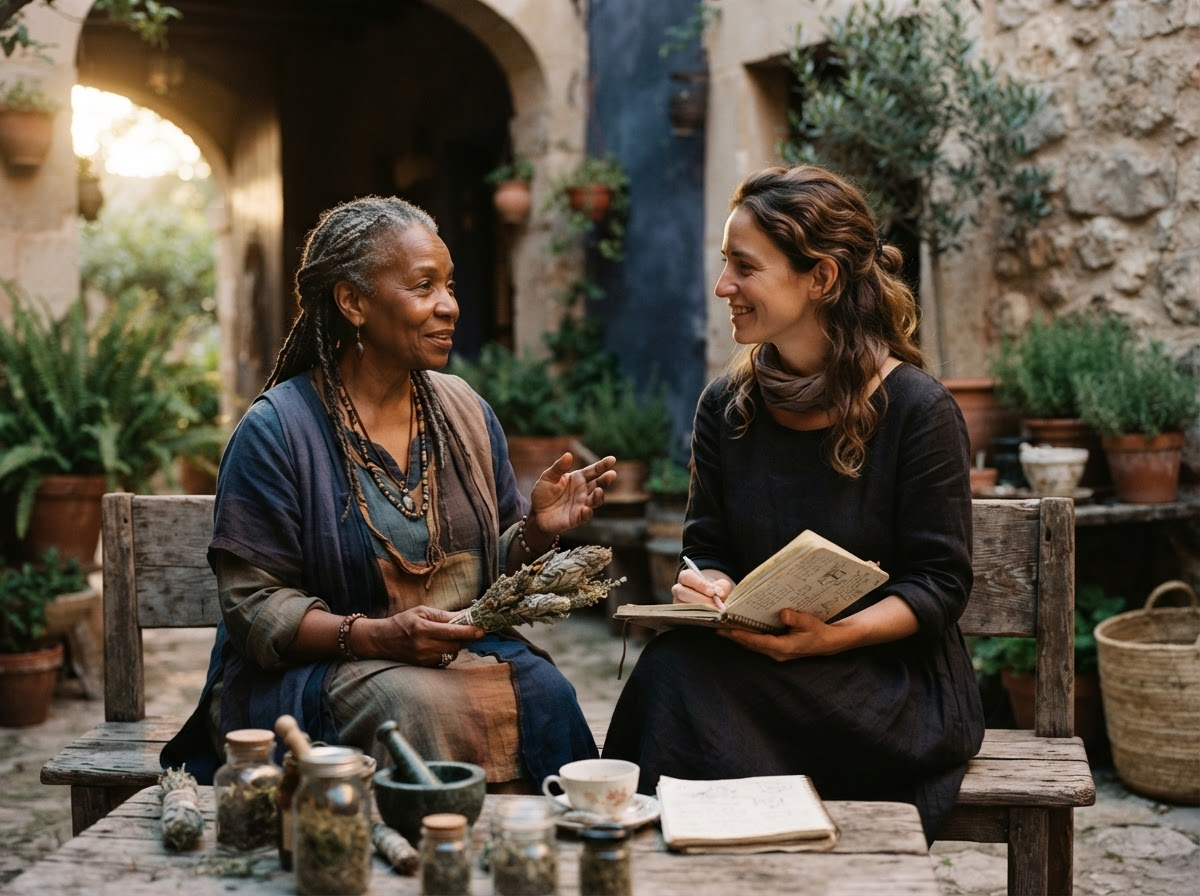
What Counts as Evidence? Comparing Ayurveda, Greco-Arabic Medicine, and Oaxaca Midwifery in Medical Pluralism
A Hook into Hidden Knowledges
Picture a vaidya in ancient India, fingers on a pulse revealing imbalances whispered through doshas. Shift to a Baghdad scholar in the 9th century, poring over Greek scrolls under lantern light, codifying humors into Arabic precision. Now, envision a partera in Oaxaca's misty valleys, her hands guiding a birth with herbs and songs passed from grandmother to granddaughter. These healing systems—Ayurveda, Greco-Arabic medicine, and Oaxaca midwifery—embody medical pluralism, where diverse traditions coexist, each with its own measure of truth. But what counts as evidence in comparative healing? Every path asks: What validates knowledge?
Defining the Vocabulary of Healing Systems
A healing system forms a coherent framework blending observation, theory, and practice to restore balance. Evidence emerges not just from labs but from what a tradition deems reliable—texts, lineages, outcomes. Efficacy appears in lived results, tracked through generations rather than isolated trials. Authority rests with those who embody the knowledge: gurus, physicians, elders. In evidence in traditional medicine, these terms shift like sands, inviting us to question Western defaults without dismissing them.
Ayurveda: Textual Lineage from Sanskrit Manuscripts
Rooted from the 2nd century CE in texts like the Charaka Samhita, Ayurveda's history unfolds through Sanskrit manuscripts preserved in palm-leaf libraries. Transmission flows guru-shishya: master to disciple, oral then written. Its function balances three doshas—vata, pitta, kapha—via diet, herbs, yoga. Institutions include ancient gurukuls and modern colleges in India. Consent arises through detailed patient histories and dialogue. Authority lives in vaidyas, validated by textual fidelity and clinical insight.
Greco-Arabic Medicine: Humoral Synthesis in the Baghdad Translation Movement
From the 9th century's House of Wisdom in Baghdad, Greco-Arabic (Unani) medicine translated Hippocrates and Galen into Arabic, blending with Persian and Islamic insights. Humors—blood, phlegm, yellow and black bile—guide diagnosis via pulse, urine, temperament. Hakims train in madrasas and hospitals like those in medieval Cordoba. Language: Arabic, Persian, Urdu today. Consent emphasizes patient narrative and ethical codes from prophetic traditions. Transmission spans courts, manuscripts, and guilds.
Oaxaca Midwifery: Living Community Knowledge
In 20th-21st century Oaxaca, Mexico, parteras among Zapotec and Mixtec peoples transmit knowledge through apprenticeship, from elder to younger women in villages. Function centers on women's reproductive health: massages, temazcal steam baths, sobadas abdominal work, native herbs. No formal institutions; community validates via births attended. Languages mix Spanish, Zapotec dialects. Consent is woven into relational trust, lifelong bonds in tight-knit pueblos.
Evidence Inside Each System Versus the Outside Gaze
Within Ayurveda, evidence piles in canonical texts cross-verified by centuries of vaidya observation—pramanas like direct perception and inference. Externally, randomized trials often falter on standardization. Greco-Arabic relies on rational empiricism: Galenic logic tested in clinical settings, yet modern metrics question herb variability. Oaxaca midwifery's proof? Successful deliveries, maternal stories—community metrics outsiders call anecdotal. Inside, these shine; outside, they crave quantification.
Comparative Healing: Differences, Counterevidence, and Uncertainties
Ayurveda's textual canon contrasts Oaxaca's oral fluidity; Greco-Arabic's institutional schools bridge them. Counterevidence abounds: Ayurvedic herbs succeeding anecdotally but failing assays; Unani regimens clashing with pharmacology; parteras' low-tech births thriving locally yet risky sans hospitals. Present-day authority? Ayurvedic clinics dot India, Unani persists in South Asia, Oaxaca parteras integrate with clinics amid threats from urbanization. Uncertainties linger—syncretism blurs lines, individual variability defies universals.
The Seeker's Code: Ethical Paths in Medical Pluralism
Embrace the Seeker's Code: protect the journey by exploring healing systems curiously, neither elevating nor dismissing. No tradition claims universal efficacy; each suits contexts, communities. Cross-Doors open: Books reveal libraries and canons; Education spans apprenticeship to schooling; Relationships forge partnerships in care.
Communities and Access
Affected communities—India's villagers, Muslim networks, Oaxaca's indigenous—navigate access amid globalization. Urban diaspora seeks Ayurveda spas, Unani pharmacies; rural parteras face policy pressures. Equity demands honoring local sovereignty.
Journaling Prompt: Notice Authority's Whisper
Reflect: Recall a healing encounter beyond biomedicine. What signs of authority emerged—text, touch, testimony? How did evidence feel in your body? Let this guide your pluralistic path.