
Who Really Built the Pyramids? Deir el-Medina Workers, Corvée Labor, and Ancient Monument Secrets
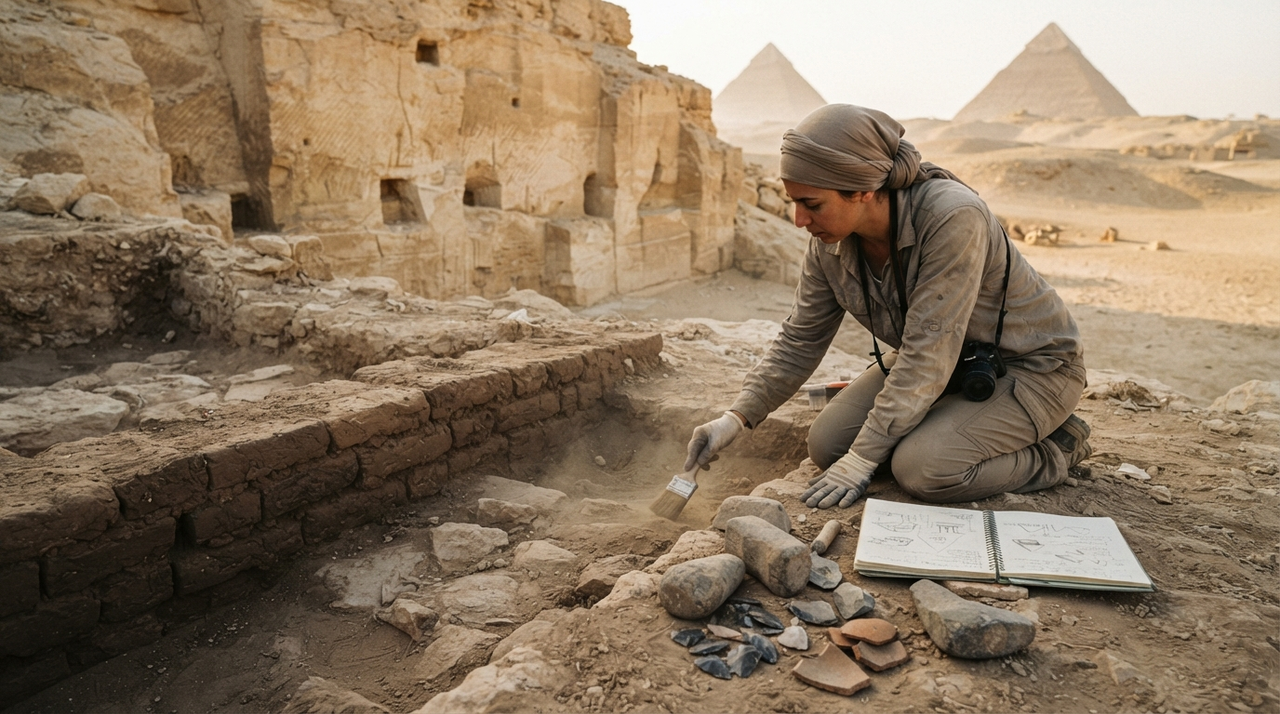
Picture this: the sun-baked plateau of Giza, where shadows of the Great Pyramid stretch like fingers across the sand. For millennia, whispers have swirled—who toiled in the dust to stack those impossible stones? Hollywood's chained slaves? Myth-shrouded giants? No. Archaeology peels back the veil, revealing a saga of ancient labor orchestrated with precision, grit, and human ingenuity. This is the story of pyramid workers, corvée labor, and the hidden villages that fueled monument construction. Step into the world of Deir el-Medina and beyond, where evidence trumps speculation.
Debunking the Slave Myth: Evidence from the Dust
Forget the Bible's enslaved masses or fringe theories of extraterrestrial aid. Excavations at Giza tell a different tale. Mark Lehner's digs uncovered Heit el-Ghurab, a sprawling worker city beside Khufu's pyramid. Bread ovens, fish bones, and beer vats speak of organized crews, not wretched captives. These pyramid workers were Egyptian peasants and artisans, mobilized through corvée labor—a system where farmers, idle during the Nile's annual flood, served the state.
Skeletal remains from workers' cemeteries reveal no shackle scars but plenty of spinal wear from hauling limestone. Graffiti in quarries boasts team names like "Friends of Khufu." This was monument construction as national duty, blending seasonal duty with skilled craft.
Deir el-Medina: The Ultimate Worker Village
A Model for Ancient Labor Organization
While Deir el-Medina flourished in the New Kingdom (c. 1500–1100 BCE) for Valley of the Kings tomb builders, its blueprint echoes Old Kingdom pyramid projects. Nestled near Luxor, this walled hamlet housed 120 core families—masons, draftsmen, quarrymen. Papyrus records detail rations: 10 loaves, jars of beer, veggies weekly. Families supported the crews, with women brewing beer and kids herding goats.
- Quarry Treks: Teams fetched sandstone from 10 miles away, navigating wadis with sledges lubricated by water.
- Ramp Mastery: Straight and zigzag ramps, built from mudbrick and limestone chips, ferried 2.5-ton blocks skyward.
- Shift Work: Rotating gangs of 2,000, working three-month stints to avoid burnout.
Strikes etched in ostraca—the world's first labor protest—highlight risks: cave-ins, strikes for unpaid wages. Compensation? Extra grain, sick leave, even medical papyri prescribing honey for fractures.
Corvée Labor: The Backbone of Monument Construction
Corvée wasn't coercion but communal obligation, tallied in tax-like records. Viziers like Imhotep oversaw logistics; pharaohs claimed divine mandate. Peasants from the Delta to Aswan supplied muscle; elites managed copper tools from Sinai mines. Women baked 4,000 loaves daily at Giza, feeding thousands.
Who Was Included, Excluded, and Who Controlled It All?
Included: Able-bodied men, 20–50, from all nomes. Excluded: Priests, scribes, the infirm—burdens too great for gods' work. Control rested with the pharaoh's inner circle: overseers tallied headcounts, ration lists ensured loyalty. This top-down power funneled ancient labor into eternal monuments, glorifying the divine king.
In the shadow of eternity, ordinary hands shaped immortality—not through mystery, but meticulous planning.
Risks, Rewards, and Lasting Legacy
Injuries abounded: crushed toes from dropped stones, "pyramid builder's disease" from repetitive strain. Yet perks lured volunteers—proximity to power, tombs rivaling nobles'. Scholarly consensus, from Zahi Hawass to Lehner, affirms this: no lost tech, just human endurance amplified by state machinery.
Modern speculation pales against papyri like the Diary of Merer, logging Tura limestone boats for Khufu's pyramid. Distinguish fact from fancy: archaeology gifts us ledgers, not legends.
Unlocking The Buildings and History Doors
Aetheria's quest probes deeper: who built these behemoths, who maintained their polish, who toiled unseen? From Giza's ghost town to Deir el-Medina's hearths, pyramid workers emerge as heroes of corvée labor. Their story challenges us—power structures persist, but so does the spark of organized humanity. Next time you gaze upward, honor the hands that reached the stars.