
Shards of Refusal: Ostracism in Athens, Kingly Deposition, and Exile as Political Tool
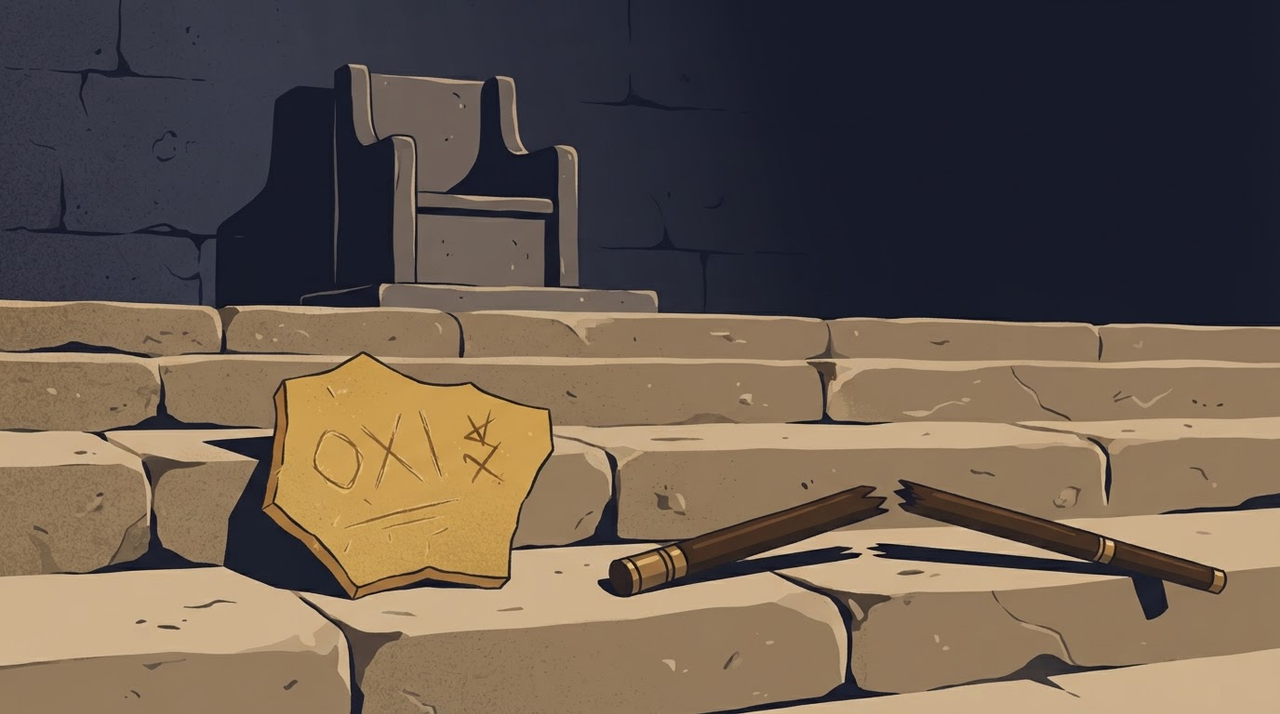
Imagine a sun-baked Athenian agora, mid-fifth century BCE. A citizen scratches a name onto a broken pottery shard, an ostrakon, and drops it into a massive clay urn. Thousands do the same. No speeches. No trials. Just names, tallied in silence. The man with the most votes faces ten years of exile. Not death. Not imprisonment. Exile. A civic pause, a refusal to let one man's ambition eclipse the polis. This was ostracism in Athens, a ritual of accountability that pruned potential tyrants before roots dug too deep.
Such shards were not mere trash. They embodied a community's sober mechanism for leadership accountability. Across history, similar tools emerged: deposition of kings, exile as a political tool, satire of rulers that pierced pretensions without toppling thrones. These were not heroic uprisings or divine mandates. They were institutional responses, often elite-driven, laced with coercion from above and below. Communities wielded them to check power, yet exclusions riddled the process. Women, slaves, the conquered stayed silent. Hierarchy persisted, unvirtuous and unyielding.
This essay traces these concrete institutions of refusal. It distinguishes their forms, examines cases from ancient clay tablets to medieval councils, notes the silenced, and probes connections across human inquiry. No romance for crowns or crowds. Just the stark mechanics of saying no to office.
Distinguishing Refusal: Legal, Ritual, Riotous, and Satirical
Refusal took shapes as varied as the societies that birthed them. Legal removal resembled modern impeachment: structured votes or assemblies invoking codified rules. Ritual un-kinging invoked symbolism, stripping divine aura through ceremony or proclamation. Military coups relied on swords, not ballots. Popular riots channeled fury into fire and flight. Satire of rulers, sharper than steel, mocked without mandate, leaving the office scarred but standing.
Ostracism in Athens fell into the legal-ritual hybrid. Eligible male citizens over thirty gathered annually to vote. Six thousand minimum shards validated the process. The exile lasted a decade, revocable by recall. No confiscation. No stain on honor upon return. It targeted hubris, not crime. Contrast this with deposition of kings in ancient Near East texts, often narrative flourishes in chronicles where assemblies or gods revoked legitimacy. Exile as political tool appeared ritually too, as in Spartan krypteia or Roman ovatio-minus-triumph demotions.
Satire stood apart. Greek Old Comedy lampooned leaders onstage, from Aristophanes skewering Cleon to Eupolis targeting Alcibiades. Roman verse libeled emperors. These stung reputations, fostering accountability of office without formal deposition. Riots, like those toppling Corinth's tyrants, veered chaotic, blending mob coercion with genuine grievance.
Each form balanced coercion. Rulers suppressed dissent; communities enforced conformity. None idealized democracy or monarchy. They marked friction points where power met pushback.
Ancient Cases: From Mesopotamian Chronicles to Athenian Urns
Mesopotamia: Literary Depositions in King Lists
Earliest traces lurk in Sumerian and Akkadian records, third millennium BCE. The Sumerian King List recounts dynasties where reigns end abruptly, kings "struck down by heaven" or replaced by assemblies. In Lagash, tablets describe Urukagina's reforms reversing priestly grabs, only for successors to depose him. These narratives blend history and myth, portraying deposition of kings as cosmic correction, not mere politics.
Babylonian chronicles elevate this. Nabonidus retreats to Teima for a decade, his son Belshazzar ruling amid murmurs of abandonment. Persian conquest follows, framed as divine deposition. Coercion cuts both ways: kings invoked gods to legitimize rule; scribes recorded rejections to justify new orders. No pure popular voice emerges. Elites and oracles dominate.
Biblical Narratives: Rejected Anointed Ones
Hebrew scriptures, compiled later but rooted in Iron Age Levant, echo these motifs. Saul, Israel's first king, faces prophetic rejection after sparing Amalekite spoils. Samuel anoints David amid Saul's court. The transition reeks of coercion: Saul hunts David; elders maneuver loyalties. No clean vote. Divine sanction masks human intrigue.
Later, Rehoboam loses northern tribes after refusing elders' counsel for lighter yoke. "What portion have we in David?" they cry, splintering the kingdom. Exile recurs: Jehoiachin deported to Babylon, a passive deposition by conquest. These stories theologize refusal, yet reveal accountability of office through prophetic veto, tribal walkouts, imperial force.
Classical Athens: Ostracism in Action
By 508 BCE, Cleisthenes institutes ostracism Athens to avert tyranny post-Pisistratids. First use: 487 BCE, against Hipparchos. Peak in 480s-440s: Megacles ostracized thrice; Cimon twice. Aristides the Just, amid Persian Wars, exiled when a voter, mistaking his fairness for arrogance, scrawls his name illiterate.
Process demanded vigilance. Forged shards invalidated votes. Elites clashed: Pericles dodged through allies; Hyperbolus, a demagogue, ended the practice in 417 BCE when voters targeted him instead of Nicias or Alcibiades, deeming it unfit for lowborn. Ostracism pruned ambition among equals, not masses. Women, metics, slaves excluded. Still, it modeled exile as political tool, time-limited and honor-preserving.
Medieval Echoes: Papal Deposition Debates
Jump to 14th century. Avignon Papacy sparks conciliarism. Marsilius of Padua's Defensor Pacis argues secular princes may depose errant popes. Council of Constance (1414-1418) deposes John XXIII, Gregory XII, and Benedict XIII, electing Martin V. Not mere theology: politics intertwined, with emperors and kings coercing votes.
Earlier, Henry IV's deposition of Gregory VII at Canossa inverts roles, but councils flip it. Deposition of kings recurs too: England's Edward II forced abdication in 1327 by barons. These blend ritual and legal, coercion layered thick.
Modern Caution: Independence and Beyond
Colonial independence movements tempt flattening into triumph, but resist. American revolutionaries exiled loyalists; French mobs guillotined Louis XVI, blurring deposition into terror. Gandhi's salt march mocked British rule satirically, yet partition's violence underscores crowd coercion. Modern impeachments nod back: structured refusals amid populist undercurrents. History warns against simplifying these into progress arcs.
Silenced Voices: Who Could Not Refuse
Refusal's machinery ground selectively. In Athens, citizen males alone inscribed ostraka. Slaves, numbering perhaps a third of the population, toiled unheard. Women, barred from assembly, navigated indirect sway through kin, yet no shard bore their mark. Metics, resident foreigners, funded the polis but voted with feet only in flight.
Occupied cities fared worse. Persian satraps quashed dissent; Roman provinces petitioned futilely until revolts like Boudica's crushed them. Biblical women like Athaliah seized thrones violently, but assemblies excluded them routinely. Medieval serfs rioted sporadically, deposed locally, yet papal votes stayed clerical.
Enslaved everywhere embodied ultimate non-refusal. Spartacus rebelled, but most endured. These gaps reveal accountability of office as elite compact, coercion cascading downward. Satire pierced marginally: slaves whispered barbs in quarters, women in songs, but institutions favored the enfranchised.
- Athenian slaves: Built the agora where votes fell.
- Women across eras: Counselors in shadows, never shard-scribers.
- Conquered peoples: Exile imposed, never wielded.
Cross-Doors: Politics, Ethics, History, Relationships
Politics Door: These tools distributed veto power, diluting autocracy without erasing hierarchy. Ostracism Athens checked demagogues; papal debates curbed ultramontanism. Yet coups lurked, coercion perpetual.
Ethics Door: Refusal posed moral riddles. Was exile justice or banishment cruelty? Satire of rulers truthful critique or corrosive libel? Biblical prophets judged kings by covenant; Athenians by civic harmony. Ethics weighed collective good against individual fate.
History Door: Chronology reveals evolution, not inevitability. Mesopotamian lists prefigure Athenian votes; conciliarism anticipates constitutions. Yet cycles persist: modern populism echoes ancient riots.
Relationships Door: Who stood with whom? Saul's retainers split; Pericles' allies rallied shards against foes. Deposition fractured kin, courts, cults. Exile as political tool tested bonds: Aristides returned welcomed, Hyperbolus shunned. Refusal remapped allegiances.
Invitation: Who Was Allowed to Say No?
Shards litter museums now, names faded. Empty seats echo in forgotten assemblies. These institutions of refusal, from ostracism Athens to deposition of kings, remind us: accountability of office demands mechanisms, flawed and freighted. Satire lingers in cartoons; exile in sanctions.
Ask in your community: Who holds the shard today? Who scribes the vote? The enslaved of old urge expansion. Crowds and crowns both coerced; seek structures that enfranchise without illusion. Bring this question to the Leadership Door, the Community hearth. History offers tools, not triumphs. Wield them wisely.
In the polis of existence, refusal forges better orders, if all voices etch the clay.