
Neuroplasticity Limits Exposed: LTP/LTD, Cortical Evidence vs. 'Rewire in 21 Days' Hype
Picture this: a glossy book cover blaring promises of total brain transformation in just 21 days. Meditation apps chime in, habit trackers buzz with notifications, all peddling the idea that neuroplasticity lets you rewire neural pathways like flipping a switch. But what if the real story of brain plasticity limits is far more nuanced—and slower—than the hype suggests? For learners skeptical of quick fixes, it's time to dive into the evidence: synaptic mechanisms like LTP and LTD, cortical remapping after dedicated training, and recovery timelines from injury. This isn't about building a better brain overnight; it's about understanding where change happens, how long it takes, and why blanket claims fall short.
The Core of Neuroplasticity: Synaptic LTP and LTD
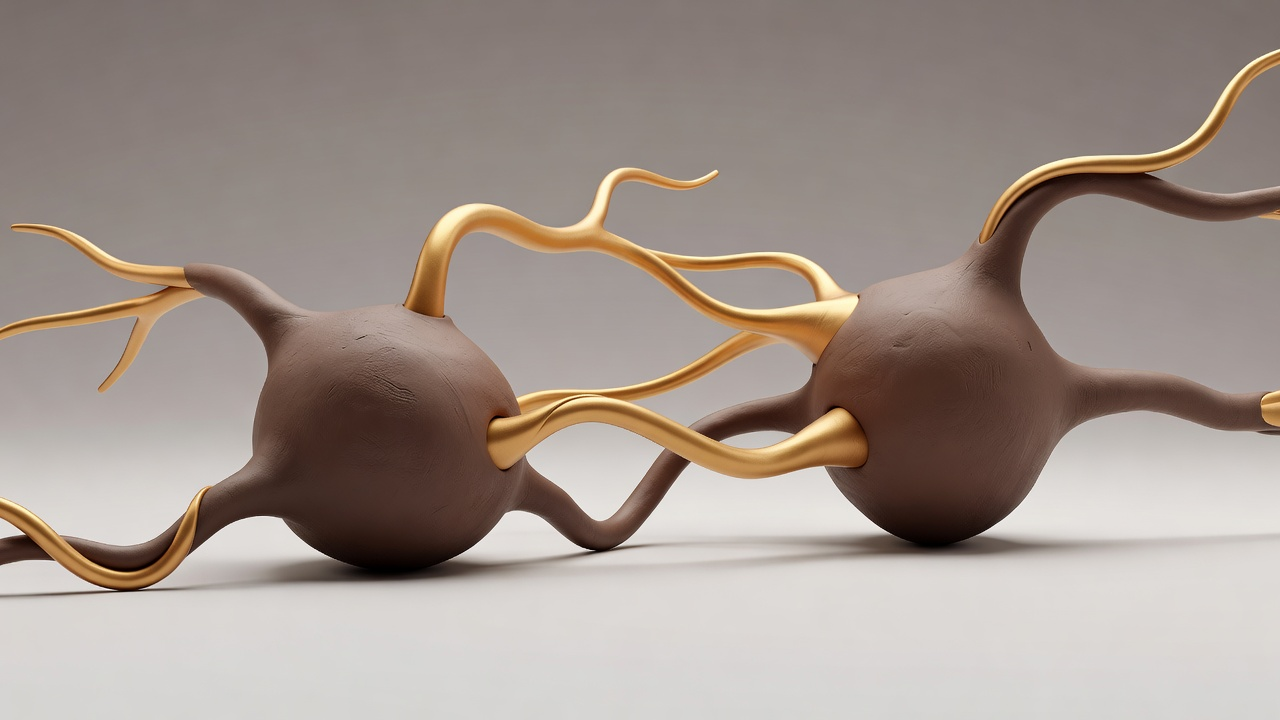
Neuroplasticity, the brain's capacity to adapt through experience, hinges on microscopic shifts at synapses—the junctions between neurons. Enter LTP (long-term potentiation) and LTD (long-term depression), the yin and yang of synaptic strength adjustment.
LTP strengthens connections when neurons fire together repeatedly, a process triggered by calcium influx and protein synthesis that can last hours to days initially. LTD weakens them, pruning unused pathways to sharpen efficiency. These aren't vague "rewirings"; they're measurable changes in synaptic efficacy, observed in hippocampal slices and live animal brains via electrophysiology.
Yet, LTP/LTD don't equate to instant overhaul. Early LTP fades without reinforcement; stable, behavior-linked changes demand repeated activation over days or weeks. This is brain plasticity limits in action: potent, but tethered to biology.
Cortical Plasticity Evidence: Maps That Shift, But Not Overnight
Training Reshapes Sensory Maps
Cortical plasticity evidence shines in remapping studies. Juggling novices show expanded hand representation in the motor cortex after 90 days of practice—three months, not three weeks. Musicians exhibit enlarged auditory and motor areas, built over thousands of hours.
In blind individuals, the visual cortex repurposes for touch and sound, a shift detectable via fMRI after years of adaptation. These aren't hype-fueled miracles; they're gradual expansions, contracting if practice lapses.
Injury Recovery Reveals Timescales
Post-stroke, perilesional areas remap functions over months, with intensive therapy yielding gains in 3-6 months. Full recovery? Often years, or incomplete. This clinical evidence underscores neuroplasticity's power in rehab, distinct from everyday skill-building.
Brain Plasticity Limits: Timescales, Critical Periods, and Differences
Forget the '21 days to rewire' myth, born from a misread 1960s habit study, not neuroscience. True structural changes—like dendritic spine growth—unfold over weeks to months. LTP/LTD initiate, but myelination and circuit stabilization lag behind.
- Critical periods: Childhood brains are hyper-plastic; language acquisition peaks before puberty, with adult learning slower and accent-prone.
- Individual differences: Genetics (e.g., BDNF variants), age, sleep, and stress modulate plasticity. Older adults adapt motor skills, but vocabulary edges out syntax.
These brain plasticity limits demand realism. Hype ignores them; evidence embraces patience.
Beyond Hype: Bounded Claims for Learning and Growth
In education, cortical plasticity evidence supports spaced repetition and deliberate practice, not cramming. Personal growth follows suit: mindfulness thickens prefrontal cortex over months, not days. Aetheria AI bridges this by modeling evidence-based learning paths, simulating LTP-like reinforcement without overpromising.
Distinguish rehab's urgency—where neuroplasticity salvages function—from daily tweaks. Both thrive on consistency, not speed.
Change is real, but measured in marathons, not sprints.
A Slow Skill's Lesson
Consider learning chess mastery. It wasn't 21 sessions of apps; it was years of weekly tournaments, post-game analysis, and losses that etched patterns via cortical replay. Practice looked like unglamorous evenings poring over boards, synapses firing in quiet persistence. That's neuroplasticity: exposing limits to reveal true potential.