
Rituals as Social Work: How Community Rites Forge Belonging, Memory, and Repair
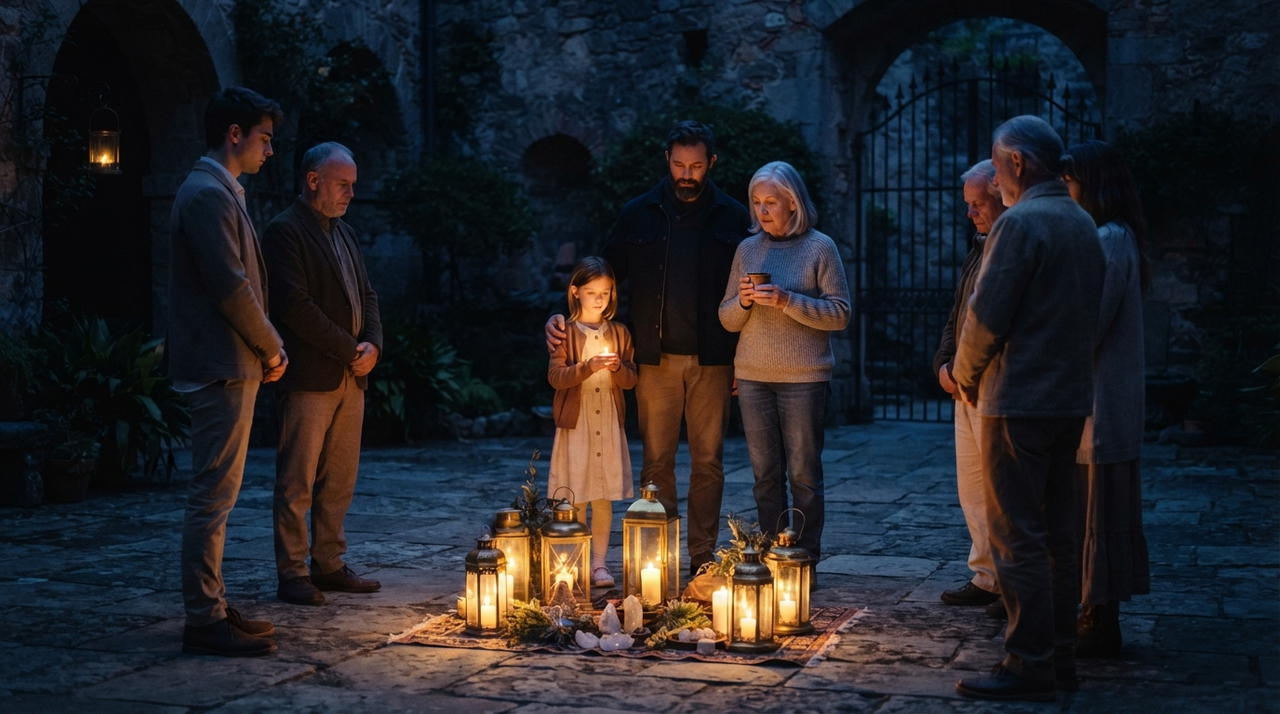
Imagine a circle of voices rising in unison at dusk, hands passing a cup of wine that marks the boundary between sacred rest and the week's grind. This isn't theater or mere symbolism—it's community ritual in motion, a form of social work that stitches people together, mends fractures, and etches memories into the collective soul. In an age of fleeting digital connections, religious rituals remind us that true belonging emerges not from abstract beliefs, but from shared bodies moving through time-honored actions.
Ritual theory, long debated by scholars like Catherine Bell and Talal Asad, frames these practices not as static symbols but as dynamic social labor. Here, we distinguish the raw description of a religious ritual—its steps, sounds, scents—from historical shifts in its performance or modern interpretations projected onto it. Rituals evolve, yes, but their power lies in the doing: local leaders guiding participants through gestures that demand presence, fostering affiliation and accountability.
Jewish Timekeepers: Shabbat Kiddush and Havdalah
In Jewish households worldwide, the Shabbat Kiddush sanctifies Friday night with a blessing over wine, recited by a family elder or rabbi. This collective practice draws everyone to the table, voices blending in Hebrew melody, affirming weekly rhythm amid chaos. As Shabbat ends, Havdalah's braided candle, spices, and wine separate holy from ordinary time—a multisensory rite led locally, often by youth stepping into roles, repairing the week's wear on communal bonds.
Lifecycle Rites: From Brit Milah to Bar Mitzvah
Consider the brit milah, a naming ceremony for newborns, where mohel and family gather in intimate spaces. Or the bar mitzvah, where a boy chants Torah portions before his community, earning accountability through public recitation. These rites of passage anchor identity, turning personal milestones into shared memory vaults.
Christian Liturgy: Eucharistic Adoration and Divine Order
Catholic Eucharistic liturgy unfolds in named parts—the Kyrie, Gloria, consecration—each with assigned roles for priest, altar servers, and congregation. Hands break bread; voices proclaim peace. Orthodox Divine Liturgy mirrors this in incense-filled domes, deacons chanting psalms as parishioners cross themselves in unison. These liturgy forms, adapted by local clergy to seasonal feasts like Easter Vigil, create repair: confessions whispered, communions shared, fractures in the body politic healed through embodied participation.
Islamic Gatherings: Jummah Prayers and the Hajj Pilgrimage
Friday jummah prayers pack mosques, imams calling the community to prostrate in synchronized rows, fostering accountability under one roof. Hajj, the ultimate mobile community ritual, mobilizes millions around the Kaaba—circling, stoning pillars—led by local guides amid seasonal throngs. These acts forge affiliation across tribes, memories of endurance etched in white ihram garb.
Hindu and Buddhist Variations: Fire, Chant, and Alms
Hindu yajna invokes fire altars in village squares, priests pouring ghee while families circle, varying by region from Tamil Nadu's vibrant kirtan bhajans to Bengal's subdued chants. Buddhist pooja offers rice and incense at home shrines, while monks' alms rounds thread monastics through neighborhoods, bowls filling as laypeople affirm mutual reliance. Seasonality peaks in Diwali lamps or Vesak processions, lifecycle nikah weddings binding couples publicly, antyesti funerals releasing souls through riverside pyres.
The Social Yield: Affiliation, Accountability, Memory, Repair
Across traditions, ritual theory reveals rituals as workshops for human repair. Local leadership—rabbis, imams, pandits—ensures relevance, demanding bodies show up: kneel, chant, feast. Affiliation blooms in these repetitions; accountability in witnessed vows; memory in sensory anchors like frankincense or conch blasts. Repair happens quietly—feuds aired in circles "Door to Sacred Places," ancestors invoked to bridge generations. No mere performance, these collective practices rebuild the social fabric, one rite at a time.
Your Ritual Journal: A Weekly Invitation
Pause amid the rush. This week, select one ritual you join—a coffee pour with neighbors, Sunday hymn, or evening gratitude circle. Journal its steps: who leads? What senses stir? How does it bind you? In noticing, you reclaim ritual's quiet labor, forging your own belonging.
Rituals endure because they work—socially, invisibly, profoundly.