Unlocking the Religion Door: A Seeker's Guide to Comparative Religion, Lived Traditions, Rituals, and Sacred Texts
Stepping into Aetheria's Cosmic Library: The Religion Door Awaits
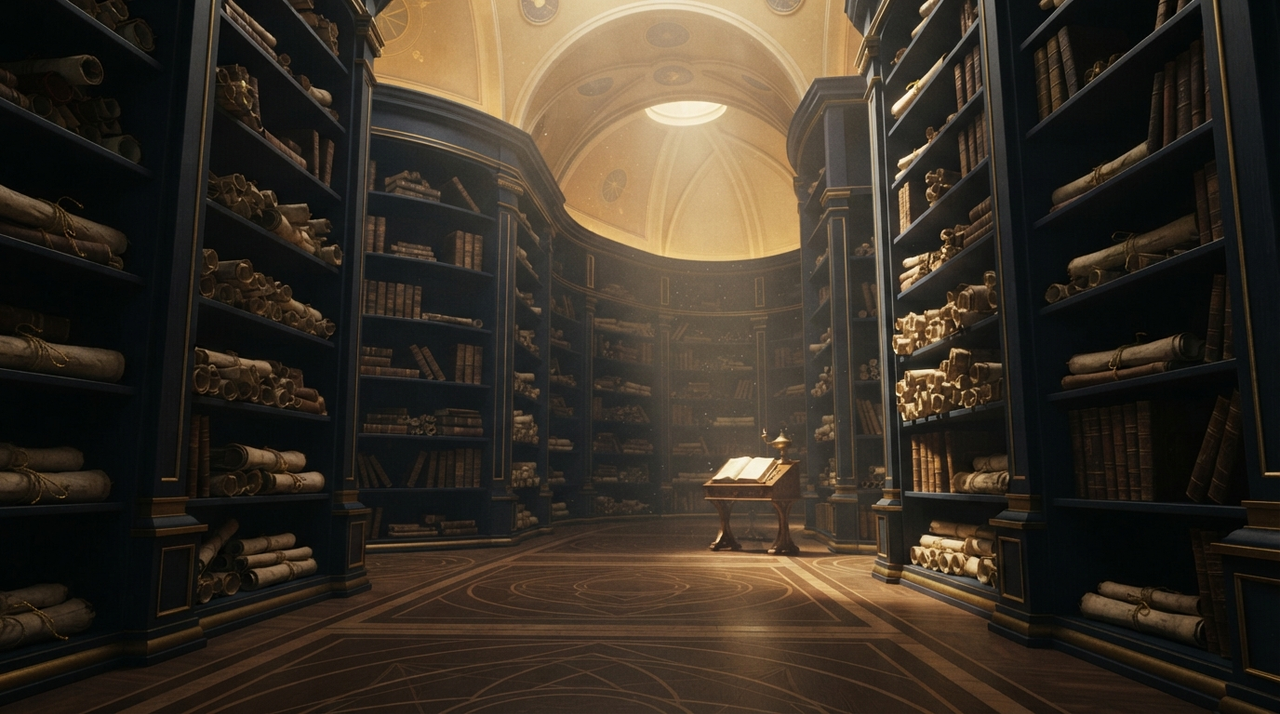
Imagine yourself in the vast, whispering halls of Aetheria's cosmic library, where shelves stretch into infinity, groaning under the weight of humanity's deepest questions. Dust motes dance in shafts of ethereal light as you pause before a particular door—one etched with symbols from every corner of the earth: a crescent moon, a lotus flower, a spiraling mandala, an ancient cross. This is the religion door, not a barrier but an invitation to quiet inquiry.
As a seeker in this sacred space, you abide by the Seeker's Code: neutrality as your compass, curiosity as your lantern. Here, no doctrine demands allegiance; no tradition claims supremacy. Instead, you wander freely among the tomes of comparative religion, tracing the threads of lived traditions that have shaped billions of lives. The air hums with the echoes of chants long sung, rituals performed under starlit skies, and sacred texts pondered by generations. What secrets does this door unlock? A panoramic view of religion not as rigid dogma, but as a profoundly human phenomenon—woven from history, community, symbol, and search.
What the Religion Door Reveals: Beyond Beliefs to Lived Realities
Push open the religion door, and you enter a multifaceted realm. Religion unfolds as more than abstract creeds; it's a tapestry of belief and practice, where ideas meet the grit of daily life. At its core lies the lived tradition: the way faith pulses in homes, temples, and festivals. Picture a Diwali lamp flickering in a Mumbai apartment, or a Sufi whirl in a Turkish courtyard—these are religion's living breath.
Distinguishing the Layers: Institutions, Rituals, Sacred Texts, and History
Institutions provide structure—monasteries, mosques, synagogues—guardians of continuity amid change. Rituals anchor the ephemeral: baptism's splash, Hajj's circumambulation, a Navajo healing chant. Sacred texts serve as compasses—the Bible's parables, the Vedas' hymns, the Quran's rhythmic surahs—interpreted anew in every era. And religious history narrates the journey: schisms, revivals, migrations of meaning.
Yet religion transcends these. It's personal belief forged in solitude, communal bonds tested by trial, and the eternal human ache for meaning. Scholars describe it as a cultural system binding cosmos to conduct, but seekers know it as lived encounter—never reducible to claims alone.
A Brief Lineage: Tracing Religious History Through Time
The story begins in antiquity. In Mesopotamian ziggurats around 3000 BCE, priests invoked gods for fertile floods—established archaeological fact, etched in cuneiform. Egyptian temples along the Nile, with their mummification rites, mirrored cosmic order, as pyramid texts confirm. These were not isolated; they formed humanity's first organized responses to mystery.
The Axial Age Pivot and Beyond
Around 800-200 BCE, the Axial Age—Karl Jaspers' scholarly framing—saw prophets and philosophers arise: Zoroaster in Persia, Buddha in India, Confucius in China, Hebrew sages in exile. Here, established facts blend with interpretation: texts like the Upanishads or Book of Isaiah emerge, shifting focus inward to ethics and transcendence.
Scriptural canons solidified next—Christian New Testament by the 4th century CE, Islamic Quran compiled post-632 CE—factual milestones amid debates over authenticity. The Reformation in 1517, with Luther's theses, fractured Western Christianity, birthing Protestant diversity (historical record). Today, modern pluralism thrives: 84% of the world affiliates religiously, per global surveys, in a mosaic of revival and dialogue.
Note the boundaries: cuneiform tablets are fact; their divine inspiration, belief; Axial shifts, scholarly lens. The religion door honors this nuance.
How Seekers Approach the Religion Door: Tools of Humility
Entering demands care. Approach with humility: every tradition carries wounds and wisdom. Dive into primary sources—unmediated voices from the Rig Veda to the Talmud. Listen to practitioners: attend a Passover Seder, observe Ramadan iftar, ask a monk about koans. Context is key—colonial shadows on Indigenous rites, migrations reshaping diaspora faiths.
- Eschew ranking: no "best" path, only paths worth walking.
- Bracket judgments: note beauty in a Gothic cathedral, resilience in Vodou drums.
- Embrace multiplicity: one text yields layers across cultures.
In comparative religion, the goal is understanding, not conversion—a seeker's vigilant neutrality.
Shattering Misconceptions: Clearing the Path to Lived Traditions
Religion Isn't Just Belief—It's Embodied Practice
Myth one: religion equals doctrinal checkboxes. Reality: Orthodox Jews sway in prayer (shuckling), embodying connection beyond words. Belief and practice entwine.
Not All Paths Converge
"All religions say the same" oversimplifies. Hinduism's Brahman differs from Christianity's Trinity—profound variances in salvation, afterlife, divine nature.
Institutions: Pillars, Not Prisons
Corruption tales ignore sustenance: monasteries preserved knowledge through Dark Ages; sanghas foster meditation worldwide. Flaws exist, but so does fidelity.
Religion vs. Spirituality: No Stark Divide
Spirituality often blooms within religion—Ignatian exercises, Zen sesshins—blurring lines in lived experience.
Mapping Connections: The Religion Door in Aetheria's Broader Cosmos
This door links richly. Within the batch, Spirituality delves inward practices like contemplation; Mythology unpacks symbolic narratives (Genesis floods, Norse Ragnarok); Ethics probes "how to live" imperatives (Ten Commandments, Noble Eightfold Path). Distinctions hold: religion communalizes what spirituality personalizes.
Across the map: Philosophy questions existence (Plato vs. Nagarjuna); History timelines events; Anthropology embeds rituals in culture; Psychology explores archetype (Jung on mandalas); Art manifests the numinous (Sistine Chapel, Ajanta caves). Each door enriches the religion door's vista.
Concrete Pathways: Begin Your Inquiry into Rituals and Sacred Texts
- Compare creation accounts side-by-side: Genesis' seven days beside Popol Vuh's maize emergence or Rig Veda's cosmic egg. Note motifs, divergences—what emerges?
- Map a ritual calendar: Overlay Christian Lent, Islamic Ramadan, Chinese New Year. Trace fasting, renewal themes in seasonal rhythm.
- Read one sacred text in three translations: Quran's Ayat al-Kursi in Arberry, Yusuf Ali, Pickthall—subtleties shift like light on water.
- Journal prompts: "What ritual from another tradition calls to me, and why?" "How does a sacred text's poetry mirror my doubts?" Mark journey milestones.
These practices ground comparative religion in action, turning abstraction to insight.
A Reflective Invitation: Back Through the Religion Door to Aetheria
As you linger in this luminous hall, the religion door swings gently shut behind—treasures carried within. You've glimpsed lived traditions not as relics, but vital forces; rituals as bridges to the ineffable; sacred texts as mirrors to the soul. The journey protects itself: humility guards against hubris, curiosity against closure.
Return to the Aetheria Community and Guide. Share reflections in forums alive with fellow seekers. Other doors beckon—perhaps Spirituality's inner sanctum next. Here, in this cosmic library, understanding unfolds. What door calls you now?