
Modern Spirituality Wellness: New Age History, Private Meaning vs. Public Authority, and Ethical Tensions
The Allure and Ambiguity of Modern Spirituality Wellness
Imagine scrolling through a wellness app, where ancient Sanskrit terms like prana mingle with promises of optimized energy flows and chakra alignments for peak performance. This is modern spirituality wellness in action—a vibrant remix of timeless wisdom through the lens of 20th- and 21st-century self-help culture. New Age publishing and the booming wellness industry have repackaged esoteric concepts from yoga, Taoism, and shamanism into accessible tools for stress relief and personal growth. It's an invitation to explore profound inner worlds, yet it stirs confusion: Are we honoring origins or projecting modern desires onto sacred symbols?
This re-presentation democratizes spirituality but blurs lines between cultural heritage and consumer product. What begins as a quest for meaning often collides with questions of authenticity, sparking debates on private meaning versus public authority in spirituality.
A Brief History of New Age Spirituality
From Theosophy to the Wellness Marketplace
The roots of New Age spirituality history trace to the late 19th century with Theosophy, founded by Helena Blavatsky and Henry Steel Olcott. Drawing from Hinduism, Buddhism, and Western occultism, it synthesized "ancient wisdom" into a universal esoteric framework, influencing early 20th-century seekers.
Mid-century, the human potential movement emerged at places like Esalen Institute, blending psychology, Eastern meditation, and bodywork. Figures like Abraham Maslow and Fritz Perls championed self-actualization, paving the way for 1970s New Age explosion—crystals, channeling, and holistic healing entered mainstream consciousness via books and retreats.
Today’s contemporary wellness marketplace, valued in billions, commodifies these threads. Apps, retreats, and influencers market "energy healing" and "spiritual alignment" as lifestyle upgrades, echoing New Age ideals but prioritizing individual optimization over communal rites.
Unpacking the Five Layers of Spiritual Interpretation
To navigate modern spirituality wellness, distinguish these five layers clearly—like peeling an onion to reveal its core without tears.
- Historical scholarship: What original sources say in context—e.g., Patanjali's Yoga Sutras as disciplined ethical practice, not quick-fix meditation apps.
- Living religious authority: What communities authorize today, via ordained teachers or councils interpreting texts for practitioners.
- Personal interpretation: Your unique resonance—what a mantra evokes in your quiet moments.
- Modern wellness language: Market terms like "vibrational healing" or "bio-energetic optimization," framing spirituality as self-improvement tech.
- Esoteric or New Age projection: Claims of hidden universal truths, often overlaying one tradition's symbols onto another as perennial philosophy.
These layers invite richness but risk esoteric projection vs historical scholarship clashes, where modern overlays eclipse rigorous study.
Private Meaning vs. Public Authority in Spirituality
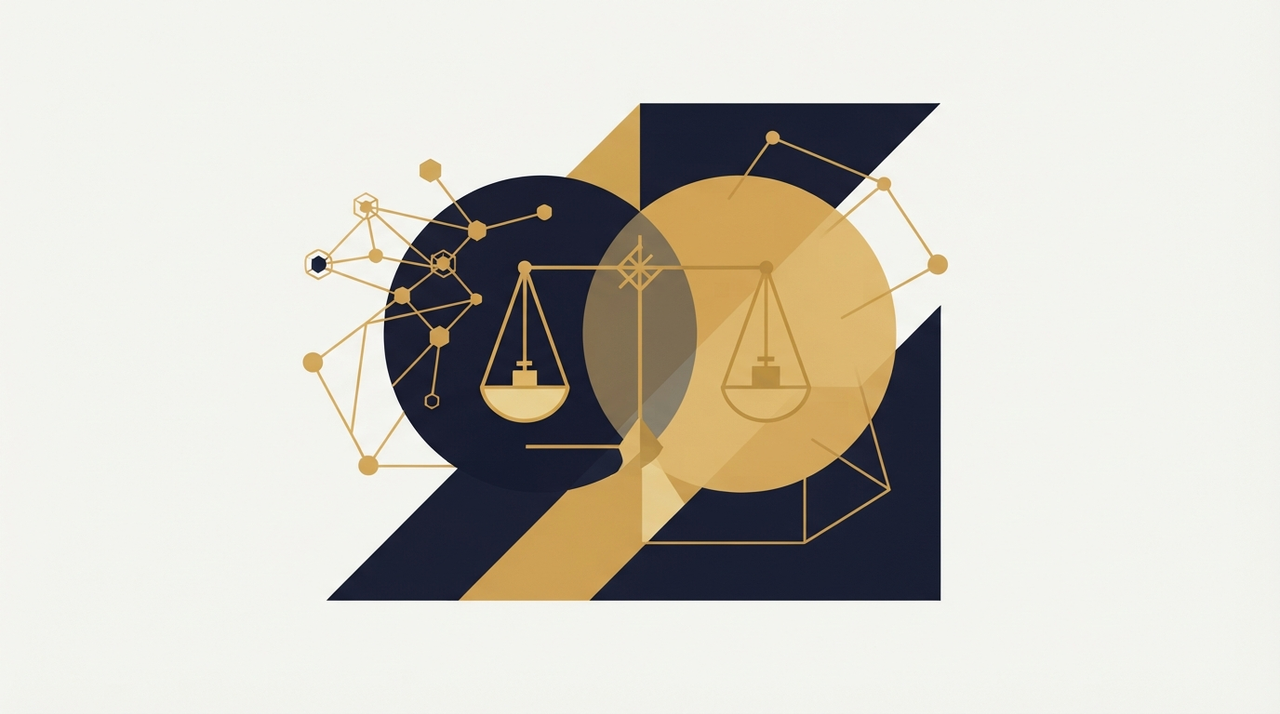
Who decides what "kundalini awakening" means? Private meaning public authority spirituality tension boils down to this: Individuals craft personal significance from practices, yet traditions guard meanings through lineage, initiation, and communal consensus. Scholarship provides evidence-based anchors, while markets amplify profitable reinterpretations.
Counterevidence abounds—Indigenous groups decry "plastic shamanism," Hindu leaders critique yoga's secularization as cultural dilution, and Buddhist sanghas emphasize guru-disciple bonds over solo apps. These pushbacks highlight spirituality appropriation ethics: External commodification can erode living traditions, even as personal paths flourish.
Ethical Tensions and Cross-Disciplinary Echoes
Ethical tensions arise when wellness trends appropriate without reciprocity, raising questions in Anthropology (cultural flows), Ethics (respect vs. exploitation), and Religion (orthodoxy vs. innovation). Yet, open inquiry—core to Aetheria's Seeker's Code—embraces humane curiosity without erasure.
In the dance of discovery, honor the roots while tending your own garden.
A Reflective Path Forward
Embrace modern spirituality wellness with responsibility: Dive into historical scholarship, listen to living authorities, journal personal insights, and question projections. This balanced inquiry sustains private meaning alongside public authority. In Aetheria's Knowledge Library, explore Spirituality's Door—and perhaps start a private journal today. What layer calls to you first?